October 5, 2026
Japan Luggage Express

Japan Luggage Express Ltd.
Chiba Flooding
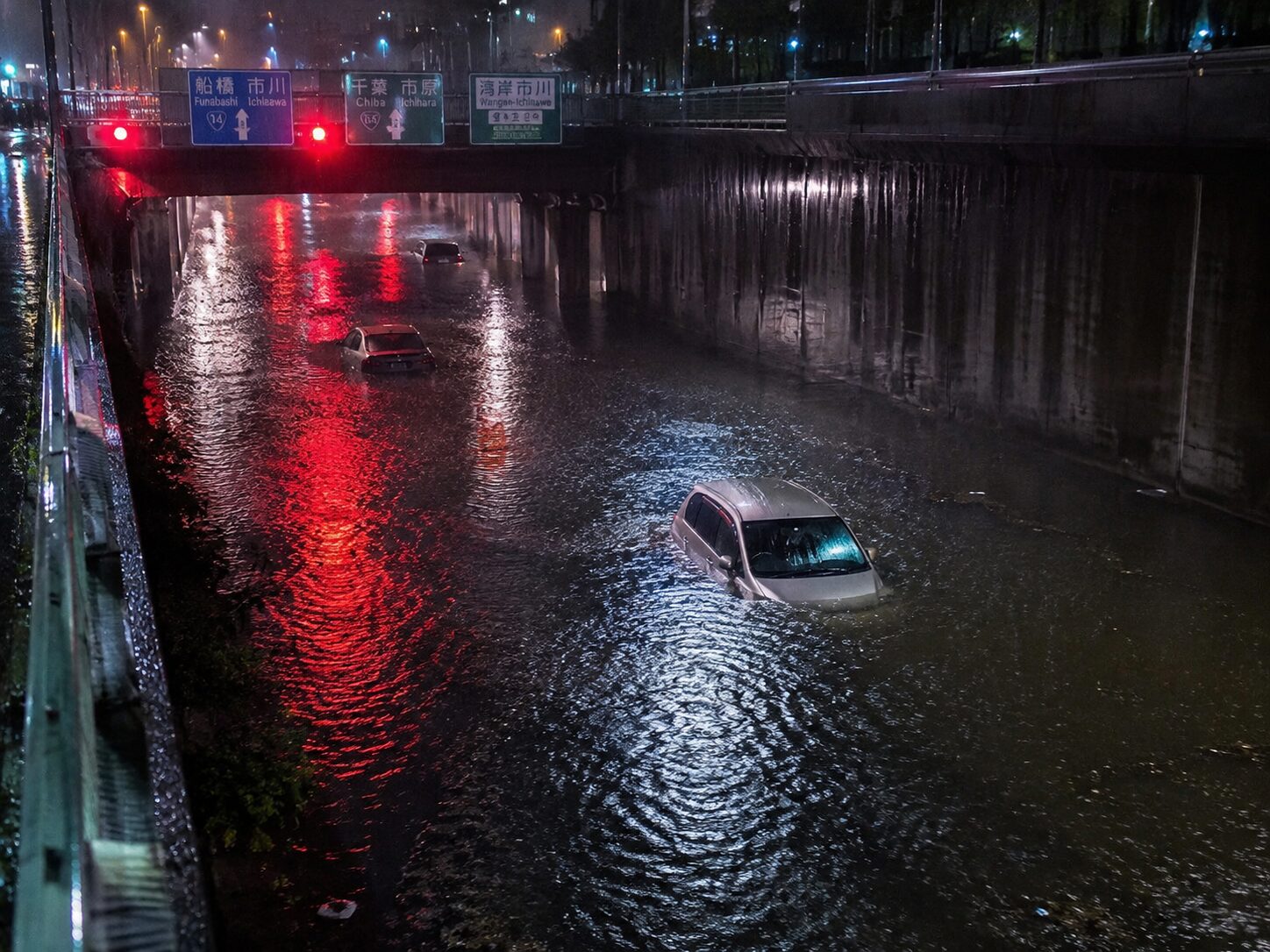
Chiba Flooding
Death Toll Rises to 13 After Record-Breaking Rain in Chiba, Japan
Record-breaking torrential rain caused devastating flooding across Chiba Prefecture, Japan, from August 13 into the early hours of August 14, 2026.
What initially appeared to be a severe overnight flooding event has developed into one of the most serious rain disasters to affect the Tokyo metropolitan region in recent years.
As the full extent of the damage became clearer over the following days, the confirmed death toll rose significantly.
As of August 18, at least 13 people had died, one person remained missing, and dozens had been injured.
More than 2,300 homes had suffered above-floor or below-floor flooding, while thousands of vehicles were left stranded or damaged on inundated roads.
The disaster also caused extraordinary disruption at Narita International Airport, where approximately 7,000 travelers were forced to spend the night after railways, buses and roads connecting the airport with Tokyo were disrupted.
Japan’s meteorological authorities have since officially named the event the Reiwa 8 August Chiba Heavy Rain — in Japanese, 令和8年8月千葉豪雨.
What happened in Chiba?
On August 13, extremely unstable atmospheric conditions developed over Chiba Prefecture as large amounts of warm and humid air flowed into the region.
Powerful thunderstorms repeatedly developed over approximately the same areas.
Instead of individual storms quickly passing through, new rain clouds continued to form and move across Chiba, producing extraordinary rainfall over a relatively short period.
Three linear rainbands, known in Japanese as senjo kosuitai (線状降水帯), developed over Chiba during the event.
Authorities also issued numerous emergency notifications for record-breaking short-duration rainfall.
In several locations, rainfall reached or exceeded approximately 100 millimeters in only one hour.
In some areas, estimated rainfall exceeded 120 millimeters per hour.
Rain at this intensity can overwhelm urban drainage systems extremely quickly.
Roads that appear normal can become impassable within minutes, while underground drainage networks, rivers and canals may be unable to remove the enormous volume of water.
Chiba City recorded about 367 mm of rain in 24 hours
One of the most remarkable rainfall totals was recorded in Chiba City.
Approximately 367 millimeters of rain fell within 24 hours, breaking the previous local record.
That was more than three times the amount of rain normally received during the entire month of August.
The significance was not simply the total amount of rainfall.
Much of the rain fell within a very short period.
This created conditions in which drainage systems could not keep pace with the volume of incoming water.
Roads flooded across numerous municipalities, vehicles became stranded, homes were inundated and railway services stopped.
Japan officially names the disaster the “Reiwa 8 August Chiba Heavy Rain”
The scale of the disaster was significant enough for the Japan Meteorological Agency to officially give the event a name.
The disaster is now officially known in Japanese as:
令和8年8月千葉豪雨
A useful English rendering is:
Reiwa 8 August Chiba Heavy Rain
or more naturally for international readers:
the August 2026 Chiba Torrential Rain Disaster.
Japan does not give an official name to every heavy rain event.
Names are generally assigned to particularly significant natural phenomena so that government agencies, disaster-response organizations, researchers and the public can refer to the event consistently during recovery efforts and in historical records.
Death toll rises from four to 13
Early reports on August 14 indicated that four or five people had died.
However, the death toll continued to rise as police, firefighters and rescue teams searched flooded areas and investigated additional deaths.
By August 18, 13 deaths had been confirmed.
One person was also listed as missing.
Several victims were found in or near flooded roads and vehicles.
The disaster demonstrated one of the greatest dangers associated with extreme urban flooding: people may become trapped inside vehicles when water levels suddenly rise.
Other deaths were discovered during subsequent searches of areas affected by floodwater.
In another case, a man in Chiba City reportedly died from carbon monoxide poisoning after using a generator inside a building during a power outage.
The circumstances show that the danger from a major flood does not necessarily end when the rain stops.
Power outages, damaged infrastructure, contaminated buildings and emergency equipment can create additional risks during the recovery period.
More than 2,300 homes flooded
The scale of residential damage also became much clearer in the days following the disaster.
By August 18, authorities had confirmed:
- 3 homes destroyed
- 14 homes seriously damaged
- 49 homes partially damaged
- 1,105 homes with above-floor flooding
- 1,209 homes with below-floor flooding
This means that at least 2,314 homes suffered above-floor or below-floor inundation.
The final number may increase as municipalities continue inspecting damaged neighborhoods.
Flood damage can also be much more serious than the water depth alone suggests.
Even relatively shallow flooding inside a house can destroy flooring, walls, insulation, electrical equipment, furniture and household appliances.
Mud and contaminated water must also be removed before buildings can safely be occupied again.
Around 7,000 people stranded at Narita Airport
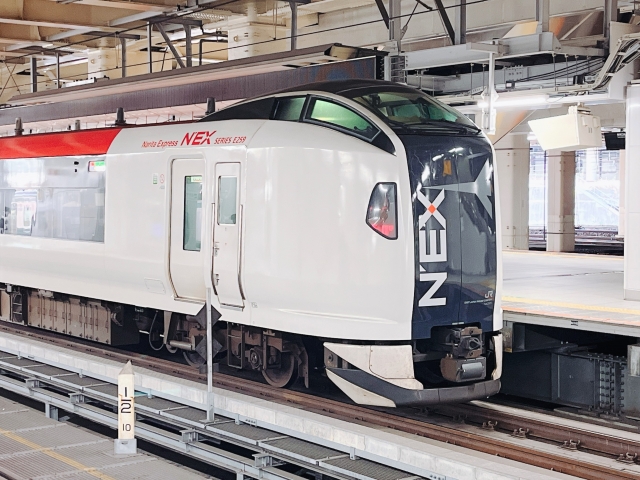
One of the most internationally visible consequences of the disaster occurred at Narita International Airport (NRT).
Approximately 7,000 travelers were unable to leave the airport during the night of August 13-14.
The unusual situation was not primarily caused by the airport itself closing.
Many aircraft were still able to land.
The problem was that transportation between Narita Airport and Tokyo had been severely disrupted.
Railway services were suspended or reduced, roads were flooded or closed, buses were affected and taxi demand greatly exceeded supply.
As a result, passengers arriving normally by aircraft discovered that they had no practical way to continue their journeys.
Thousands remained inside airport terminals overnight.
Airport staff distributed sleeping bags, water, snacks and other emergency supplies.
Narita Airport was not completely closed
This distinction is particularly important for international travelers.
Narita Airport itself did not completely shut down simply because thousands of passengers became stranded.
Flights and ground transportation are separate systems.
An aircraft may successfully arrive at Narita while trains, buses and highways connecting the airport with Tokyo are not operating.
That is exactly what happened during the Chiba flooding.
For travelers, the event provides an important lesson.
Checking whether a flight is operating is not enough during extreme weather.
Passengers should also check whether transportation to or from the airport is operating.
Transportation to Narita has largely returned to normal
The transportation situation has improved substantially since the night of the disaster.
The emergency situation in which thousands of passengers were trapped at Narita Airport has ended.
Keisei railway services, including the important routes used to reach Narita Airport, have returned to normal operation.
Other transportation systems also gradually resumed service after inspections and emergency repairs.
However, the effects of the flooding have not completely disappeared from Chiba’s railway network.
Some JR routes elsewhere in the prefecture have continued to experience disruption because of damage caused by flooding, landslides and washed-out railway infrastructure.
Travelers should therefore continue checking current operating information immediately before departure, particularly when traveling outside the main Tokyo-Narita corridor.
Why did Narita Airport become effectively isolated?
Narita Airport is located in Chiba Prefecture, approximately 60 kilometers east of central Tokyo.
Most international visitors travel between the airport and Tokyo using major railways, airport buses or expressways.
The main options include the JR Narita Express, JR local and rapid trains, the Keisei Skyliner, the Narita Sky Access Line, airport limousine buses, taxis and private vehicles.
During the flooding, several of these transportation systems were disrupted at approximately the same time.
This created a bottleneck on an enormous scale.
Even passengers who were willing to pay for taxis faced extremely long waits because roads were flooded and thousands of other passengers were trying to leave simultaneously.
What is a senjo kosuitai?
Foreign visitors reading Japanese coverage of the disaster may frequently encounter the expression:
線状降水帯 (senjo kosuitai)
It is commonly translated into English as a linear rainband.
A linear rainband forms when powerful thunderstorms develop one after another and repeatedly move across approximately the same area.
Instead of one thunderstorm passing through and ending, new storms continue developing upstream.
These thunderstorms can effectively form a conveyor belt of extremely heavy rain.
The result is that several hours’ worth of extraordinary rainfall may become concentrated over a relatively narrow area.
Urban areas are particularly vulnerable because buildings, asphalt roads and concrete surfaces prevent much of the rainwater from soaking naturally into the ground.
Water instead flows rapidly toward streets, drains, rivers and underground infrastructure.
Three linear rainbands formed during the Chiba disaster
The August 2026 Chiba flooding was particularly severe because linear rainbands developed repeatedly.
Three were identified during the event.
By the time the later rainbands developed, drainage systems and soil were already saturated from earlier rainfall.
Additional rain therefore had nowhere to go.
This increased the risk of urban flooding, overflowing waterways, landslides and road inundation.
The repeated development of intense thunderstorms is one reason the situation deteriorated so quickly.
Highest-level warnings were issued
As conditions worsened on August 13, Japanese authorities issued their highest-level warnings in parts of Chiba Prefecture.
Under Japan’s revised disaster-warning system, Level 5 heavy-rain and landslide emergency information represents an extremely dangerous situation.
At this level, disasters may already be occurring.
Residents are expected to take whatever immediate action is possible to protect their lives.
In severe urban flooding, attempting to travel a long distance to an evacuation center may itself become dangerous.
If surrounding streets are already deeply flooded, moving to a higher floor of a strong building may sometimes be safer than attempting to cross floodwater.
Flooding affected a wide area of Chiba Prefecture
The disaster was not limited to one city.
Flooding, road closures, power outages or other serious effects were reported across a large part of the prefecture.
Among the affected areas were Chiba City, Ichikawa, Funabashi, Kashiwa, Yachiyo, Sakura, Ichihara, Yotsukaido, Narita, Togane and Oamishirasato.
Some roads were covered by water deep enough to immobilize ordinary passenger vehicles.
In particularly badly affected areas, large numbers of water-damaged cars remained on roads after the floodwaters receded.
Thousands of vehicles left stranded after the flood
Vehicle damage has become one of the most visible problems during the recovery.
Thousands of vehicles were reportedly left immobilized on roads after being flooded.
By August 18, authorities estimated that approximately 2,700 vehicles remained abandoned or stranded on major roads and streets in affected areas.
Hundreds had already been moved to roadsides so that emergency vehicles and normal traffic could pass.
Authorities established coordinated efforts to remove the remaining vehicles.
The scale of the problem shows how vulnerable cars are during sudden urban flooding.
Why flooded roads are so dangerous
A significant number of serious incidents during the Chiba disaster involved vehicles.
Floodwater can become dangerous much faster than drivers expect.
The road may appear to be covered by only a small amount of water, but depth can increase very quickly.
Floodwater may also hide damaged pavement, open drainage channels, debris or deep holes.
Once water reaches important parts of a vehicle, the engine can stop and electrical systems may fail.
Water pressure against a vehicle door can also make it extremely difficult to open.
Drivers should therefore never intentionally enter a flooded road simply because another vehicle appears to have successfully passed through it.
Power and other infrastructure were also affected
The flooding was not limited to roads and homes.
Tens of thousands of households temporarily lost electricity after facilities were damaged or flooded.
Gas services were also disrupted in some areas.
Water supply and wastewater infrastructure suffered damage in several municipalities.
Although many services were restored relatively quickly, some infrastructure problems continued for several days after the rain stopped.
This is one reason the effects of a major flood can continue long after streets appear dry.
Chiba University Hospital affected by flooding
One particularly serious example of continuing infrastructure damage involves Chiba University Hospital.
Floodwater entered underground wastewater-treatment facilities used by the hospital.
The damage prevented the hospital from normally cleaning and sterilizing some instruments required for operations and examinations.
As a result, all scheduled surgeries on August 19 were canceled.
The hospital said that the number of surgeries would also be restricted from August 20 while alternative arrangements were made.
Most outpatient services continued, although some examinations were affected.
The incident demonstrates how flooding can disrupt critical medical infrastructure even several days after the rainfall itself has ended.
Major impact on the Tokyo metropolitan area
Although the most serious physical damage occurred in Chiba Prefecture, the effects were felt across the Tokyo metropolitan area.
Chiba is deeply integrated with Tokyo through commuter railways, highways, airports and business networks.
When these systems stopped, large numbers of commuters and travelers were unable to reach their destinations.
The disaster occurred during Japan’s busy summer travel period, magnifying the impact.
Narita Airport’s importance as an international gateway also meant that the flooding immediately affected visitors arriving from around the world.
Was central Tokyo flooded?
The most serious flooding associated with this disaster occurred in Chiba Prefecture rather than central Tokyo.
Visitors staying in central Tokyo may therefore have experienced relatively normal conditions even while serious flooding was taking place only dozens of kilometers away.
However, travelers in Tokyo were still affected when railway and highway connections to Chiba stopped operating.
This was especially important for anyone traveling to or from Narita Airport.
It is possible for central Tokyo to appear completely normal while transportation to Narita is severely disrupted.
Why Chiba matters to foreign visitors
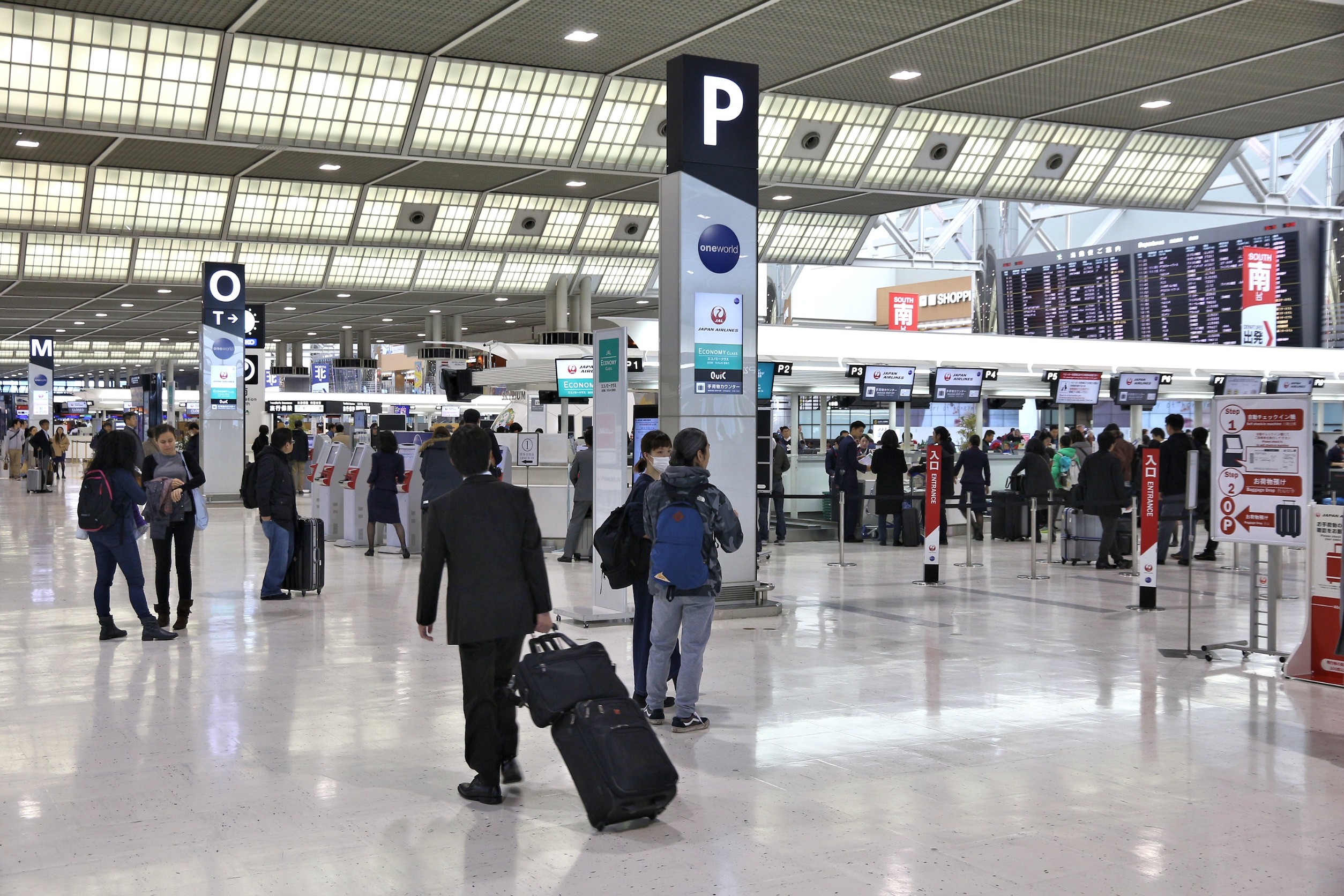
Many overseas visitors think of Chiba simply as a neighboring prefecture outside Tokyo.
In reality, Chiba plays an extremely important role in international travel and tourism.
Narita International Airport is located in Chiba Prefecture, not Tokyo.
Tokyo Disney Resort is also located in Chiba.
The prefecture contains major convention facilities, industrial districts, residential communities, highways and railway corridors used by millions of people.
Severe weather in Chiba can therefore affect travelers visiting Tokyo even when central Tokyo experiences little direct damage.
Recovery continues after the floodwaters recede
By August 19, the immediate weather emergency had largely passed and major transportation systems had substantially recovered.
Attention has now shifted from emergency evacuation to recovery.
Residents are removing damaged furniture, flooring and appliances from flooded homes.
Municipalities are collecting large quantities of disaster waste.
Authorities are inspecting roads, rivers, drainage infrastructure and public buildings.
Water-damaged vehicles are being removed from streets.
Businesses are attempting to reopen, while farmers are assessing damage to crops and agricultural machinery.
The financial impact of the disaster will take considerably longer to determine.
Agriculture also suffers serious damage
The disaster has affected Chiba’s important agricultural sector.
Floodwater and mud entered fields across parts of the prefecture.
Among the affected crops are peanuts, one of Chiba’s best-known agricultural products.
Some farms reported crops being submerged, exposed or buried by sediment shortly before harvest.
Agricultural machinery was also damaged by floodwater.
The full scale of agricultural losses is still being assessed.
Information for travelers using Narita Airport
The situation at Narita Airport has returned much closer to normal, and travelers are no longer facing the extraordinary conditions seen on the night of August 13.
However, severe weather can disrupt transportation very quickly in Japan.
Anyone traveling through Narita Airport should check current information immediately before departure.
The most useful sources include Narita International Airport, JR East, Keisei Electric Railway, airlines, the Japan Meteorological Agency and local government disaster information.
Transportation information from several hours earlier should not automatically be assumed to remain valid during extreme weather.
The August 2026 Chiba flooding became a major disaster
The scale of the August 13-14 flooding became much greater than was apparent during the first hours of the disaster.
Initial reports spoke of several deaths and widespread transportation problems.
Within the following days, the confirmed death toll rose to 13, with one person still missing.
More than 2,300 homes were confirmed to have suffered above-floor or below-floor flooding.
Thousands of vehicles were damaged or left stranded.
Critical infrastructure ranging from railway lines and roads to hospitals and drainage systems was affected.
At Narita International Airport, approximately 7,000 people spent the night inside terminals because transportation into Tokyo had effectively stopped.
Chiba City received approximately 367 millimeters of rain in 24 hours, while three linear rainbands repeatedly brought extremely heavy rainfall across the prefecture.
The Japan Meteorological Agency’s decision to formally name the disaster the Reiwa 8 August Chiba Heavy Rain reflects its exceptional scale.
The rain itself lasted only a relatively short time.
Its consequences will take much longer to repair.