July 18, 2025
Japan Luggage Express
Japan Luggage Express Ltd.
What is a miko in Japan?
What Is a Miko in Japan?
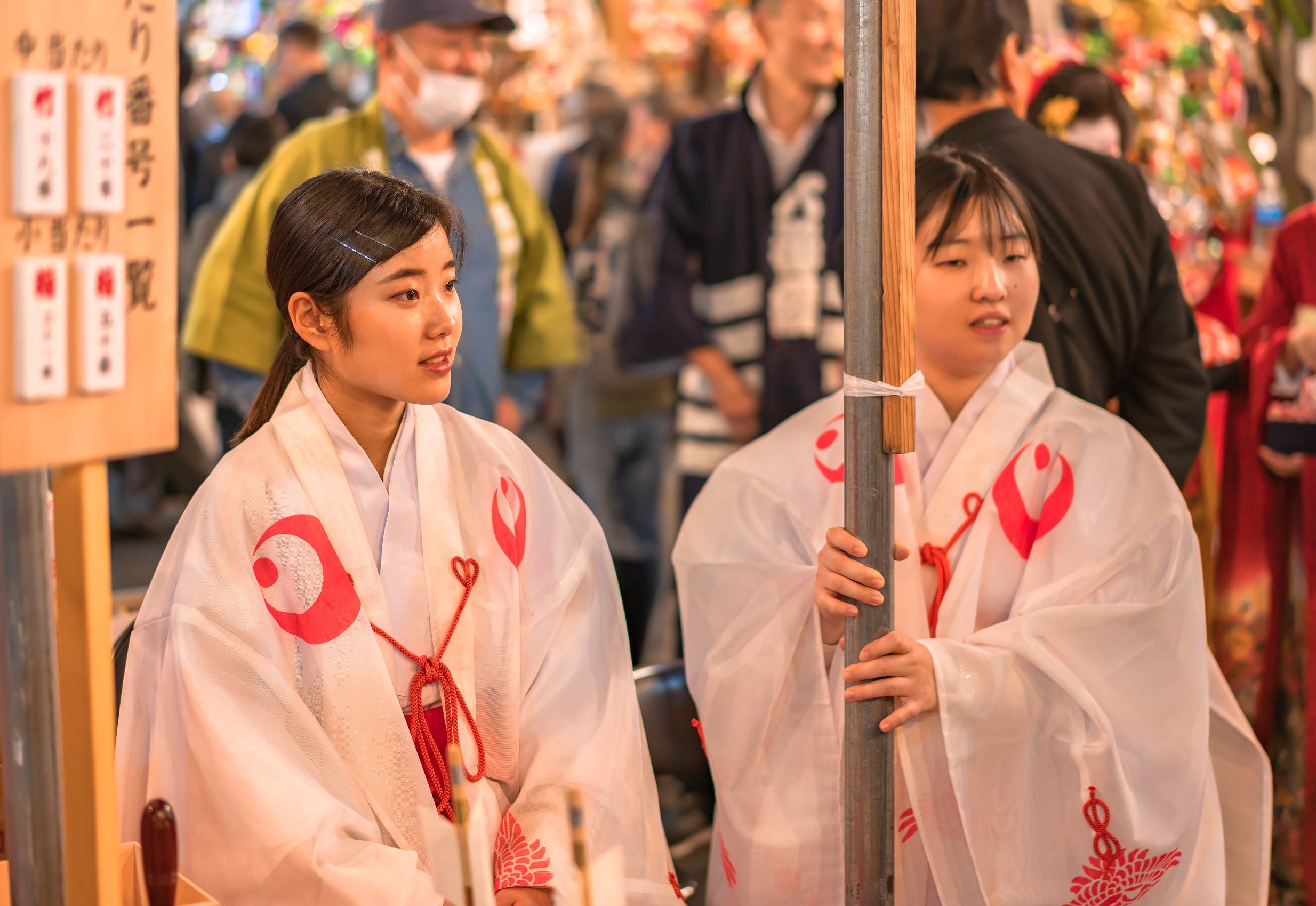
When people visit a Japanese shrine for the first time, one of the most memorable sights is often a young woman dressed in white and red, moving quietly through the shrine grounds or helping visitors at a counter. She is called a miko.
In English, a miko is usually translated as a Shinto shrine maiden. However, that simple translation does not fully capture what the role means in Japan. A miko is not just someone wearing traditional clothing for decoration. She is a familiar part of shrine life, a figure connected to ritual, tradition, hospitality, and the atmosphere that many people associate with Shinto.
This article explains what a miko is, what she does, what she wears, how the role developed over time, and why miko continue to fascinate both Japanese people and international visitors.
What does “miko” mean?
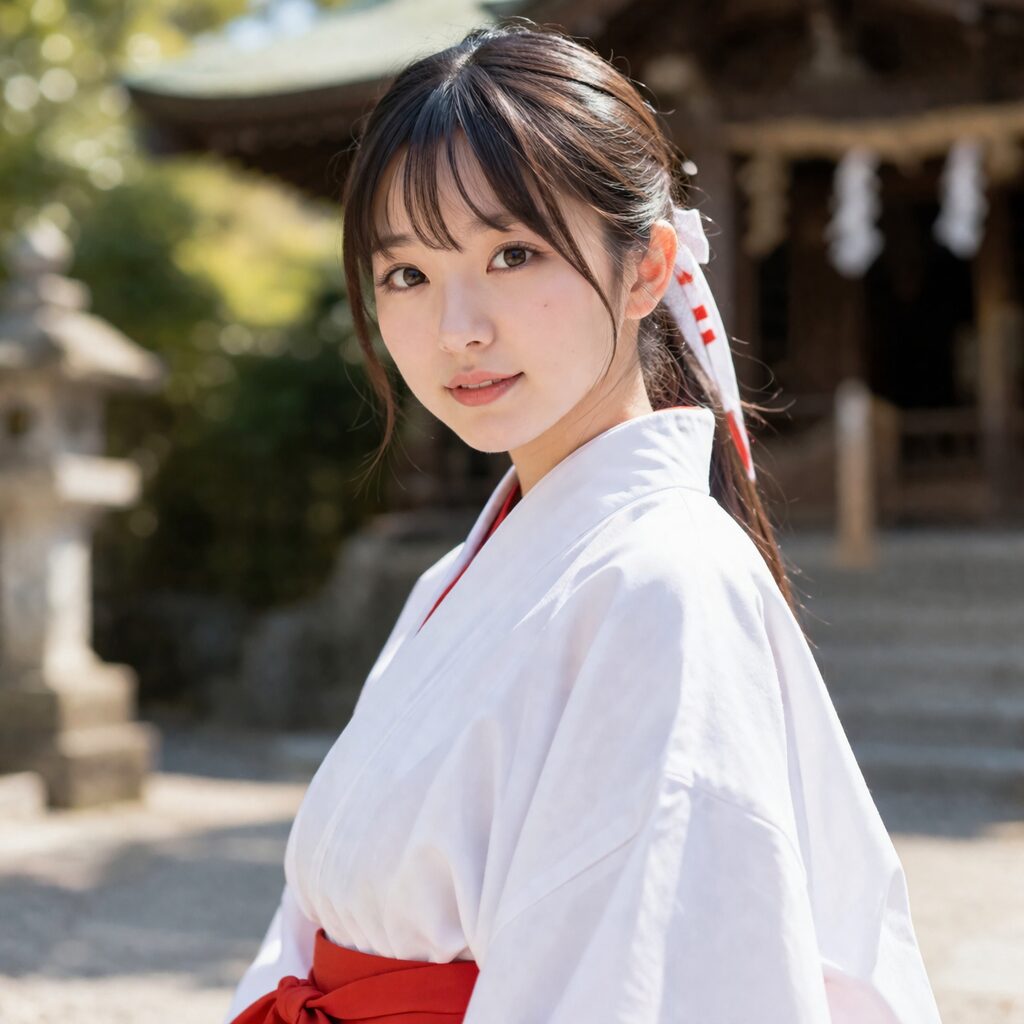
The word miko is written in Japanese as 巫女. The term is commonly used for women who assist at Shinto shrines in Japan. In everyday English, people often say “shrine maiden,” and that is generally accurate.
That said, the image many people have of a miko can vary a lot. Some imagine a sacred dancer. Others think of a shrine attendant who sells charms and fortunes. Still others picture a mysterious spiritual medium from old legends and historical dramas. In reality, all of those images reflect part of the larger story.
The meaning of miko has changed over the centuries. In earlier times, the word could refer more strongly to women believed to have spiritual or shamanic power. In modern Japan, it usually refers to women who work or assist at a shrine in ritual and support roles.
Is a miko the same as a priest?
Not exactly.
A miko is generally not the same as a Shinto priest. The priest is usually called a kannushi or shinshoku, and that person is responsible for formally conducting shrine rites and ceremonies. A miko usually assists with shrine activities rather than leading all rituals independently.
This distinction is important because people outside Japan sometimes assume that miko are female priests in the Western sense. That is not usually how the role is understood in present-day shrine practice. A miko is better described as a ritual assistant and shrine attendant, although the role can carry deep religious and cultural significance.
What does a miko do?
The duties of a miko can differ depending on the shrine, the season, and whether she is a full-time shrine worker, a trainee, or a part-time helper during busy periods such as New Year.
Typical duties may include the following:
1. Assisting with rituals
A miko may help prepare ritual spaces, organize offerings, and support priests during ceremonies. This work is usually done quietly and carefully, because Shinto ritual places great importance on order, purity, and proper procedure.
2. Performing kagura dance
One of the most famous images of a miko is her performing kagura, a sacred dance offered to the kami, the divine beings or spirits honored in Shinto. This is one of the most beautiful and symbolic parts of shrine culture. The movements are controlled and elegant rather than flashy, and the dance is meant to be reverent.
3. Selling amulets and talismans
At many shrines, miko help visitors by handing out or selling items such as:
- Omamori (protective charms)
- Ofuda (household talismans)
- Ema (wooden prayer plaques)
- Omikuji (paper fortunes)
Because of this, many visitors first interact with a miko at a reception window.
4. Guiding visitors
Miko may answer simple questions from visitors, explain where to go, help with shrine etiquette, or direct people during festivals and busy days.
5. Keeping the shrine orderly
Shrine work is not only ceremonial. It can also include cleaning, arranging items, preparing materials, and helping maintain the peaceful environment of the shrine.
In other words, a miko’s role combines ritual support and practical service.
What does a miko wear?
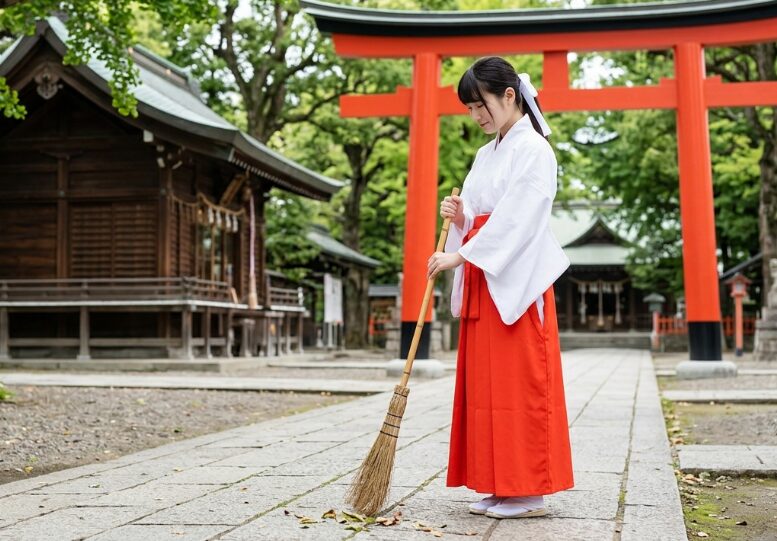
A miko’s clothing is one of the most recognizable traditional outfits in Japan.
The standard image is:
- a white top
- bright red hakama trousers or skirt-like divided garment
- sometimes hair ribbons or other simple accessories
This strong red-and-white combination is immediately associated with Shinto shrines. The colors create a clean and striking appearance. White is often linked with purity, while the red hakama gives the outfit its visual identity.
During kagura dance or formal occasions, a miko may also wear additional garments or hold ritual objects such as bells, fans, or branches used in offerings.
For many tourists, this clothing becomes one of the most iconic visual symbols of Japan. Yet at the shrine itself, it is not a costume in the entertainment sense. It is attire connected to a religious setting and traditional duties.
The historical roots of miko
To understand why miko are so interesting, it helps to look at history.
In ancient Japan, women associated with the word miko were often linked to spirit communication, trance, prayer, divination, and sacred performance. In other words, the role had a stronger connection to what many modern readers would describe as shamanic practice.
These earlier miko were sometimes believed to receive messages from the divine or serve as intermediaries between the human world and the spiritual world. This older image helps explain why miko appear in legends, folktales, and historical writing as mysterious or spiritually powerful figures.
Over time, however, organized shrine institutions became more formalized. As shrine structures changed, the role of miko also changed. In modern shrine life, the role is usually much more structured and institutional. Rather than being understood mainly as mediums, contemporary miko are generally seen as shrine assistants who perform specific ceremonial and support duties.
This shift from ancient spiritual medium to modern shrine attendant is one of the most important things to understand about miko.
Why are miko often associated with mystery?
Even though the modern role is practical and institutional, miko still carry an aura of mystery for several reasons.
1. Their historical background
Because older forms of miko were associated with spirit possession, prophecy, and divine messages, the role still has a strong spiritual image.
2. Their appearance
The white-and-red clothing, the quiet behavior, and the shrine setting all create a memorable and somewhat otherworldly impression.
3. Their connection to kagura
Sacred dance naturally feels symbolic and solemn, especially to people unfamiliar with shrine tradition.
4. Their presence in pop culture
Anime, manga, games, films, and historical fiction often portray miko as mystical heroines, spiritual fighters, or women with supernatural powers. These portrayals are very popular, but they do not always reflect the everyday reality of shrine work.
Are all miko young and unmarried?
There is a common stereotype that miko are always young, unmarried women. That image has some historical basis, and some shrines have traditionally preferred young women for the role. However, practices can vary.
In modern Japan, the exact expectations may differ from shrine to shrine. Some miko work seasonally, especially around New Year when shrines become very busy. Others may be more permanently involved in shrine operations. The role today is better understood through actual shrine practice than through rigid stereotypes.
Miko during New Year in Japan
One of the times when many people are most likely to see miko is New Year.
During the first shrine visit of the year, called hatsumode, huge numbers of people visit shrines to pray for health, safety, success, and good fortune. This is one of the busiest seasons in the shrine calendar.
At that time, miko may be especially visible because they are helping with:
- distributing charms and talismans
- handling fortunes
- guiding visitors
- supporting shrine operations during heavy crowds
For many Japanese people, this New Year image of miko is familiar and comforting. It is part of the seasonal atmosphere of the holiday.
Miko and kagura: why the dance matters
If there is one activity most strongly associated with the traditional image of miko, it is kagura.
Kagura is sacred music and dance offered to the kami. In some contexts, it preserves very old ritual traditions. When performed by miko, it can appear graceful, restrained, and deeply ceremonial.
To an outside observer, kagura may simply look elegant. But within shrine culture, it is more than performance. It is an offering, and that difference matters. It is not just something done to entertain an audience. It belongs to a religious and ritual framework.
That is one reason miko continue to attract attention. They stand at the point where beauty, religion, tradition, and public life meet.
How miko are different from pop culture versions
Many people outside Japan first encounter the word miko through pop culture. In anime, games, and fantasy stories, a miko may be shown as:
- a spiritual warrior
- a fortune-teller with supernatural powers
- a priestess who casts spells
- a mysterious young woman who can communicate with spirits
These images are entertaining and often inspired by older beliefs and aesthetics. However, they should not be confused with the daily reality at most shrines.
A real modern miko is usually carrying out shrine duties within a structured religious setting. She is not there as a fantasy character. Understanding this difference helps avoid misunderstanding Japanese culture.
Why miko remain important in Japan
Miko remain culturally important because they represent several things at once.
A living tradition
They are not only historical figures. They are still present at shrines today.
A bridge between past and present
The role preserves traces of ancient religious practices while functioning in a modern institutional setting.
A symbol of shrine culture
For many people, the image of a miko immediately brings to mind the atmosphere of a Japanese shrine.
A visible expression of ritual courtesy
Through dance, service, and shrine support, miko help create the respectful environment that visitors experience.
Common misunderstandings about miko
There are a few misunderstandings worth clearing up.
“A miko is just a costume role.”
Not true. The clothing is traditional shrine attire connected to real duties.
“A miko is exactly the same as a priest.”
Not usually. A miko generally assists rather than serving in the same role as a shrine priest.
“All miko are mystical mediums.”
This confuses historical and legendary images with the present-day role. The older spiritual background is important, but modern miko are usually shrine attendants and ritual assistants.
“Miko only exist in old Japan.”
Also not true. Miko are still active at shrines today, especially during ceremonies and busy visiting seasons.
So, what is a miko in Japan?
A miko in Japan is a female attendant at a Shinto shrine, known especially for helping with rituals, shrine services, and sacred dance. The role has deep historical roots and once had stronger links to spirit mediumship and divination, but in modern Japan it is usually understood as a shrine-based ceremonial and support position.
That combination is exactly what makes miko so fascinating. They are at once traditional and modern, visible and symbolic, practical and spiritual. A visitor may first notice the red-and-white clothing, but the deeper meaning lies in the role miko play in preserving the atmosphere and continuity of shrine culture.
Final thoughts
When asking, “What is a miko in Japan?” the most accurate answer is not just “a shrine maiden.” A miko is part of a much larger cultural story.
She represents the world of Shinto shrines, the continuity of ritual, the memory of older spiritual traditions, and the living presence of Japanese custom in modern life. That is why miko continue to draw interest not only from visitors to Japan, but also from readers, artists, historians, and anyone curious about Japanese culture.
If you visit a shrine in Japan and see a miko quietly assisting visitors or performing kagura, you are not simply looking at a beautiful traditional image. You are seeing a role that connects centuries of Japanese religious history with the present day.