June 10, 2026
Japan Luggage Express

Japan Luggage Express Ltd.
Zion Suzuki – Japan Goalie
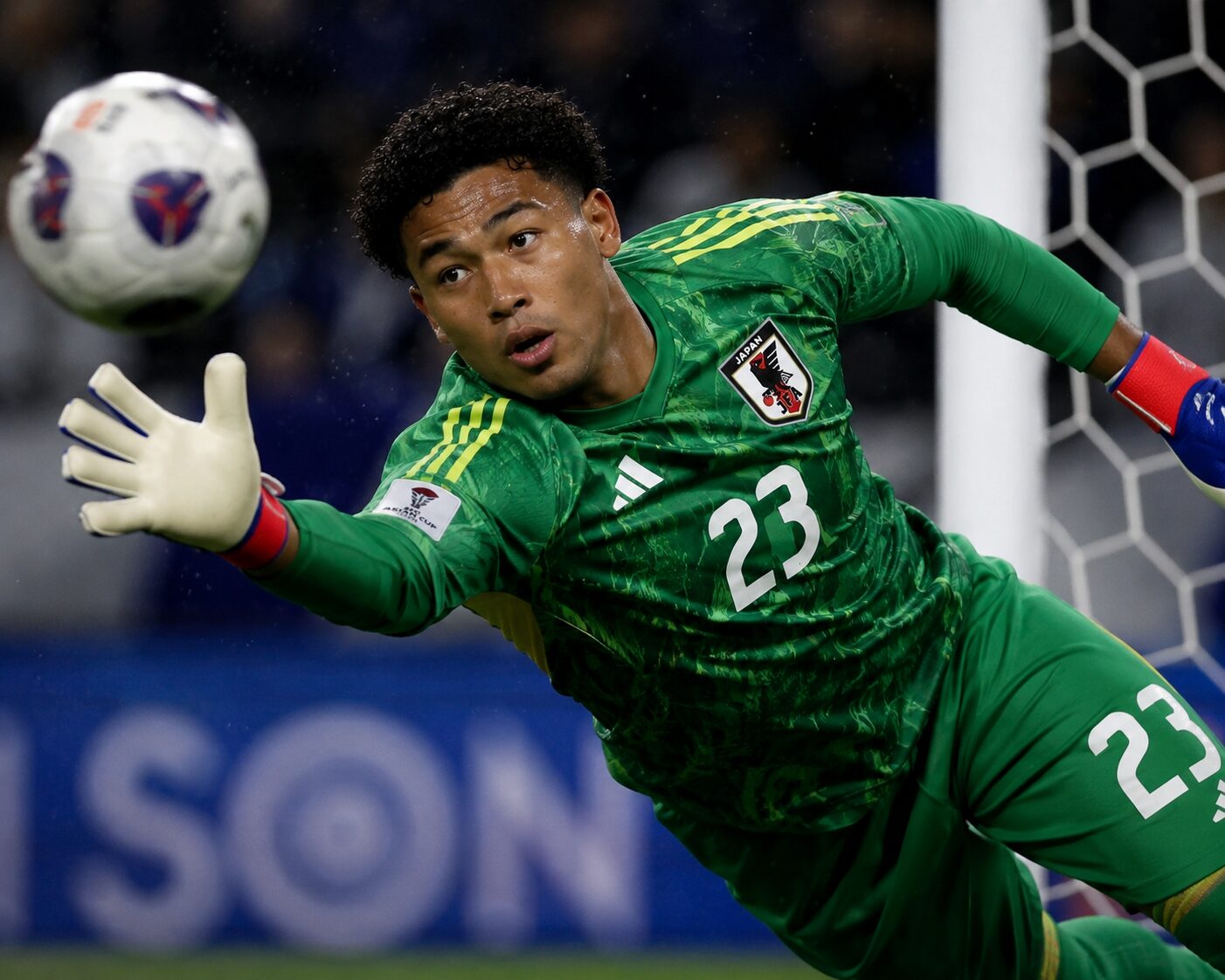
Zion Suzuki – Japan Goalie
Zion Suzuki Biography: The American-Born Goalkeeper Rising with Japan and Parma
Who Is Zion Suzuki?
Zion Suzuki is one of the most intriguing young goalkeepers in world soccer. Born in the United States and raised in Japan, Suzuki has become a key figure for the Japan national team and plays club soccer for Parma Calcio in Italy’s Serie A.
For American readers, Suzuki’s story is especially interesting because he was born in the U.S. but represents Japan internationally. His career connects several soccer worlds at once: the Japanese development system, European club soccer, and the growing global identity of the modern Japan national team.
Suzuki is not simply a promising young goalkeeper. He represents a new type of Japanese player: physically powerful, internationally experienced, comfortable with the ball at his feet, and developed through Japan’s club academy system before moving to Europe.
Zion Suzuki Profile

| Name | Zion Suzuki |
|---|---|
| Japanese name | Suzuki Zion / 鈴木 彩艶 |
| Date of birth | August 21, 2002 |
| Place of birth | United States |
| Raised in | Saitama, Japan |
| Nationality | Japan national team player |
| Position | Goalkeeper |
| Height | About 190 cm / 6 ft 3 in |
| Current club | Parma Calcio, Italy |
| Previous clubs | Urawa Red Diamonds, Sint-Truiden VV, Parma Calcio |
| National team | Japan, known as Samurai Blue |
Why Zion Suzuki Matters to American Soccer Fans
For many American fans, Japan’s national team may still be associated mainly with technically skilled midfielders, quick wingers, and disciplined team play. Zion Suzuki adds another dimension to that image.
He is an American-born goalkeeper with Ghanaian and Japanese roots who grew up in Japan, developed through one of the country’s most respected club academies, and now plays in Italy. That path is unusual and makes him a fascinating player to follow.
His rise also says something about Japan’s changing soccer identity. Japan is no longer just producing technically tidy players for domestic clubs. More Japanese players are moving to Europe at a young age, competing in major leagues, and becoming important players for both club and country.
His Name: Why “Zion Suzuki” Stands Out
In Japanese, Suzuki’s full name is written as 鈴木彩艶. His family name is Suzuki, and his given name is Zion.
For English-speaking readers, “Zion Suzuki” is the natural order. In Japanese media, however, names are often written family name first, so he may appear as “Suzuki Zion.” Both refer to the same player.
His given name, Zion, is very memorable in Japan because it is not a common Japanese first name. His kanji name, 彩艶, is also distinctive and not easy for many Japanese readers to pronounce at first glance. This is one reason Japanese articles often use the katakana-style name “ザイオン” or the English name “Zion.”
Nationality and Background
Zion Suzuki was born in the United States and grew up in Saitama, a prefecture just north of Tokyo. In soccer terms, Saitama is an important area because it is home to Urawa Red Diamonds, one of Japan’s biggest and most passionate clubs.
Suzuki has been widely reported as having a Ghanaian father and a Japanese mother. While his international roots often attract attention, his soccer identity was formed mainly in Japan. He came through the Japanese youth system, represented Japan at youth levels, and became a senior Japan international.
For U.S. readers, the easiest way to understand him is this: Suzuki was born in America, raised in Japan, developed by a Japanese club academy, and chose to represent Japan on the international stage.
Growing Up in the Urawa Reds System
Zion Suzuki’s soccer foundation was built at Urawa Red Diamonds, commonly called Urawa Reds.
For readers unfamiliar with Japanese soccer, Urawa Reds are one of the most famous clubs in the J.League, Japan’s top professional league. The club is known for its large fan base, strong identity, and serious youth development system.
Suzuki joined the Urawa setup as a young player and moved through the club’s academy pathway. In the U.S., this may sound similar to a player developing through an MLS academy, but in Japan the club academy system is especially important because it competes alongside school soccer as a major development route.
Instead of becoming known through college soccer, Suzuki became known through a professional club’s youth structure. That is an important distinction for American readers.
Becoming Urawa Reds’ Youngest Professional Signing
One of the biggest early moments in Suzuki’s career came when he signed a professional contract with Urawa Red Diamonds as a teenager.
Goalkeepers usually develop more slowly than outfield players. They often need years of experience before being trusted at senior level. That is why Suzuki’s early professional contract was so notable. Urawa saw him not just as a talented academy goalkeeper, but as a player with the physical tools and mentality to become a senior professional.
At around 16 years old, he became one of the youngest players in Urawa’s history to sign a professional deal. For a goalkeeper, that was a major statement of belief.
Breakthrough in the J.League Cup
Suzuki gained wider attention in Japan during the J.League YBC Levain Cup, Japan’s domestic league cup competition.
For American readers, the Levain Cup can be understood as a major domestic cup tournament, separate from the regular J.League season. It gives clubs another route to silverware and often provides young players with important playing time.
In 2021, Suzuki impressed in the tournament and won the New Hero Award, a prize given to a standout young player in the competition. For a goalkeeper to win that kind of award is significant because young goalkeepers often receive fewer chances than young attackers or midfielders.
That award helped confirm Suzuki as one of Japan’s most exciting goalkeeping prospects.
Why He Chose Europe Instead of a Bigger Name Immediately
At one point, Suzuki was linked with interest from Manchester United. For many young players, a move to a giant club like that would be difficult to ignore.
However, goalkeepers face a special career problem. A young goalkeeper at a huge club may train at a high level but rarely play first-team matches. For Suzuki, regular playing time was essential.
Instead of moving directly to one of the world’s biggest clubs, he chose a more practical European path. He went to Sint-Truiden VV in Belgium, a club that has been a common stepping stone for Japanese players moving into European soccer.
This decision showed maturity. For a goalkeeper, real match experience can be more valuable than simply being attached to a famous club.
Sint-Truiden: His First Major European Step
In 2023, Suzuki moved from Urawa Red Diamonds to Sint-Truiden VV in Belgium.
Belgium’s top division is often used by young players as a bridge between smaller domestic leagues and Europe’s biggest competitions. The league is physical, competitive, and heavily scouted by clubs in Germany, Italy, France, England, and the Netherlands.
For Suzuki, Belgium offered something he needed: weekly pressure in a European environment.
He had to deal with faster attacks, more physical forwards, different refereeing standards, and a style of play that placed new demands on his decision-making. Those experiences helped prepare him for the next step in his career.
Move to Parma in Italy
In July 2024, Suzuki joined Parma Calcio in Italy.
Parma is a historic Italian club with a special place in Japanese soccer memory. Many Japanese fans remember Parma because Hidetoshi Nakata, one of Japan’s greatest players, once played there. Parma is also famous as the club where legendary Italian goalkeeper Gianluigi Buffon began his career.
That background makes Parma a meaningful club for a young goalkeeper. Italy is known for its defensive detail, tactical discipline, and high expectations for goalkeepers. Playing there requires more than shot-stopping. A goalkeeper must organize defenders, read the game, deal with crosses, and make smart choices under pressure.
For Suzuki, Parma represented a serious test. It also gave him the chance to prove that a Japanese goalkeeper could compete in one of Europe’s major soccer countries.
Zion Suzuki at Parma
At Parma, Suzuki has continued to grow as a modern goalkeeper.
Serie A can be unforgiving, especially for goalkeepers. Mistakes are analyzed closely, and opponents are tactically sophisticated. Suzuki has had to handle matches against technically skilled forwards, experienced coaches, and teams that punish hesitation.
His time in Italy is important not only for his club career but also for Japan. Historically, Japanese goalkeepers have had fewer opportunities in Europe’s major leagues than Japanese midfielders, forwards, and fullbacks. Suzuki’s presence in Serie A gives Japan a goalkeeper who is tested regularly at a high level.
That experience can be extremely valuable in World Cup and Asian Cup matches, where goalkeepers often decide the outcome with one save, one pass, or one mistake.
Injury and Comeback
Suzuki suffered a serious left-hand injury in 2025, a major concern for any goalkeeper.
For a goalkeeper, hand injuries are especially difficult. Catching, punching, diving, throwing, and even confidence in contact situations can all be affected. A long absence can also create pressure because clubs may turn to other goalkeepers during recovery.
Suzuki’s return from injury showed resilience. For a young goalkeeper, that kind of setback can become an important part of development. It tests not only physical recovery but also patience, confidence, and mental strength.
Japan National Team Career
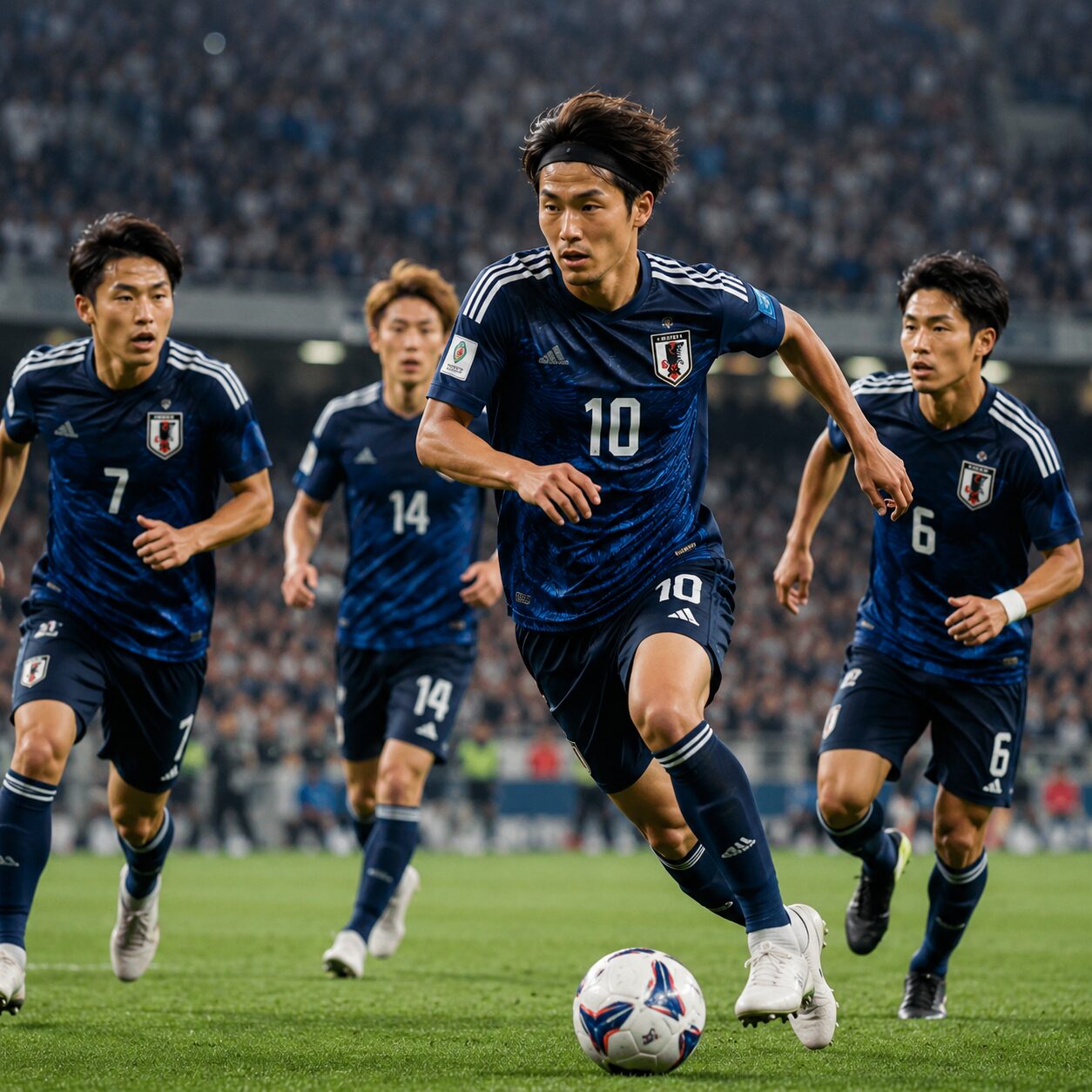
Zion Suzuki has represented Japan at several youth levels and later became part of the senior national team.
Japan’s men’s national team is commonly known as Samurai Blue. For American readers, it is worth noting that Japan is now one of the strongest soccer nations in Asia and has become a regular World Cup team. The squad includes many players based in Europe, and competition for places is intense.
Goalkeeper has often been a debated position for Japan. The country has produced many technically strong field players, but finding a long-term international goalkeeper with size, athleticism, distribution, and European experience has been especially valuable.
Suzuki fits that need. He gives Japan a goalkeeper who can make athletic saves, play with his feet, and handle the physical demands of international soccer.
Playing Style: What Kind of Goalkeeper Is Zion Suzuki?
Suzuki is best understood as a modern goalkeeper. He is not only a shot-stopper. He is also expected to start attacks, cover space behind the defense, and make quick decisions with the ball.
Shot-Stopping and Athleticism
Suzuki’s size and explosiveness are obvious strengths. At about 6 ft 3 in, he has the frame needed to cover the goal, but he is also quick enough to react to close-range shots.
His physical presence is especially useful in one-on-one situations. He can make himself big, close angles quickly, and force attackers into difficult finishes.
Distribution and Long Passing
Modern soccer asks goalkeepers to do much more than kick the ball away. Teams want goalkeepers who can pass under pressure and launch attacks accurately.
Suzuki has been praised for his kicking ability and long distribution. This matters for Japan because the national team often wants to transition quickly from defense to attack. A goalkeeper who can send accurate long passes gives the team another attacking weapon.
Sweeping Behind the Defense
Suzuki is also capable of playing as a “sweeper-keeper.” That means he does not simply stay on the goal line. He reads through balls, comes out of his box when needed, and helps protect the space behind the defensive line.
This is increasingly important in modern soccer, especially for teams that defend high up the field.
Areas Still Developing
Like many young goalkeepers, Suzuki is still working on consistency. Goalkeeper is a position where experience matters enormously. Handling crosses, choosing when to come out, organizing defenders, and staying calm after mistakes are all parts of long-term development.
The important point is that Suzuki is already gaining those lessons in demanding environments: Japan, Belgium, Italy, and international soccer.
Career Timeline
| Year | Event |
|---|---|
| 2002 | Born in the United States |
| Childhood | Raised in Saitama, Japan |
| Youth years | Developed through the Urawa Red Diamonds academy system |
| 2019 | Signed a professional contract with Urawa Red Diamonds as a teenager |
| 2021 | Won the J.League YBC Levain Cup New Hero Award |
| 2022 | Became part of the senior Japan national team picture |
| 2023 | Moved to Sint-Truiden VV in Belgium |
| 2024 | Joined Parma Calcio in Italy |
| 2025 | Suffered a left-hand injury |
| 2026 | Continued to build his reputation with Parma and Japan |
Why Japanese Fans See Him as a Special Goalkeeper
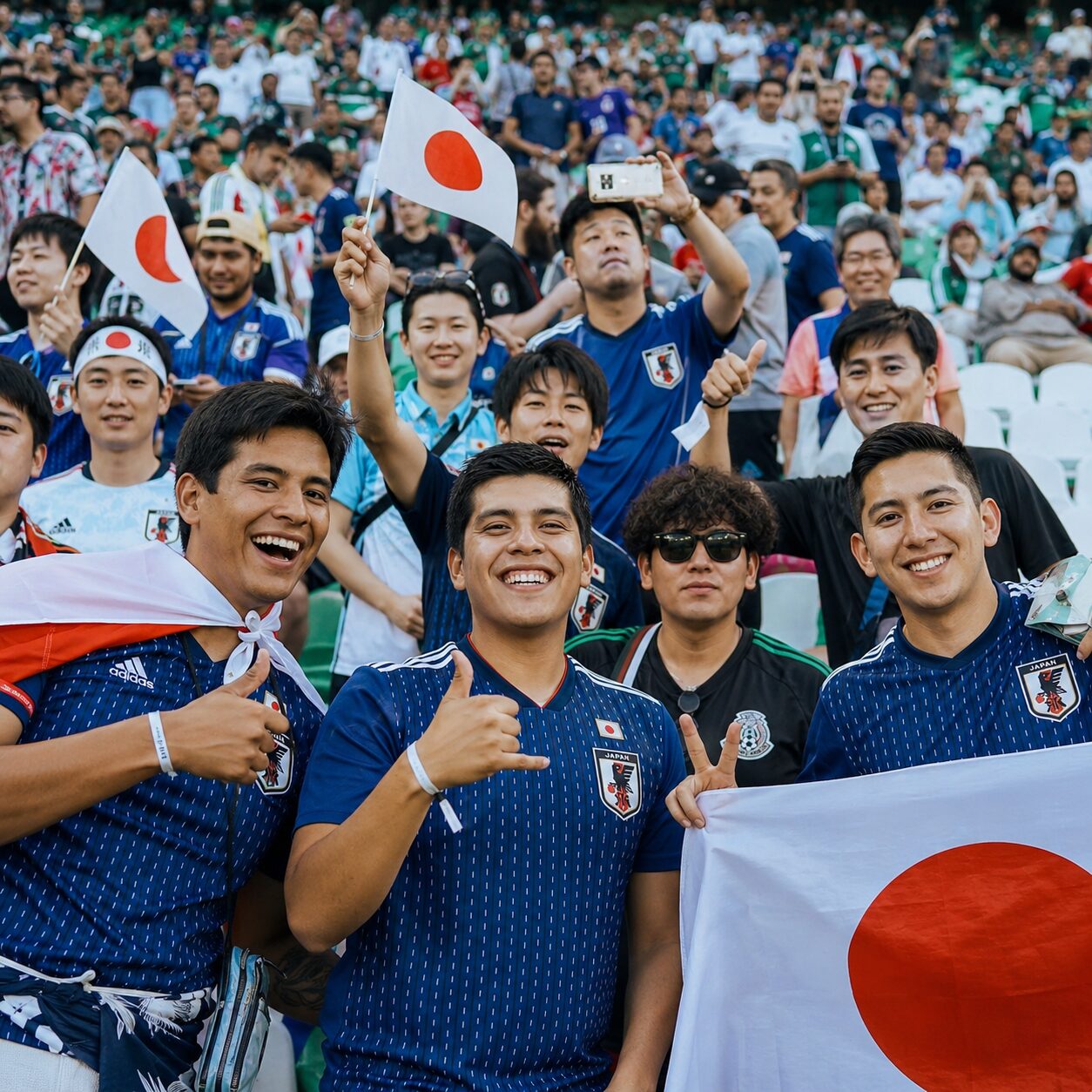
Japanese soccer has produced many excellent technical players, but goalkeepers have historically had a harder time gaining recognition in Europe’s top leagues.
That is why Suzuki’s career is so closely watched in Japan. He has the size that many international goalkeepers possess, but he also has the technical training of a Japanese academy player. This combination makes him unusual.
Japanese fans see him as more than a young goalkeeper. They see him as someone who could raise the standard for future Japanese goalkeepers.
Why His Story Is Bigger Than Soccer
Suzuki’s background also matters culturally.
Japan’s national team has become more diverse over the years, and Suzuki is one of the most visible examples of that change. His American birth, Ghanaian roots, Japanese upbringing, and role as a Japan international all challenge older, narrower ideas of what a Japanese athlete is supposed to look like.
At the same time, Suzuki’s story should not be reduced only to identity. His place in the national team is based on soccer ability, development, and performance. His background makes his story more interesting, but his career is built on his work as a goalkeeper.
What Comes Next for Zion Suzuki?
Suzuki is still young for a goalkeeper. Many goalkeepers do not reach their peak until their late 20s or early 30s, which means Suzuki has significant room to grow.
At club level, the next step is to become more consistent in Italy and continue proving himself in high-pressure matches. Strong performances in Serie A could attract attention from even bigger European clubs.
At international level, he has the chance to become Japan’s long-term No. 1 goalkeeper. If he continues to develop, he could be one of the most important Japanese players of his generation.
Conclusion
Zion Suzuki’s career is unique: born in the United States, raised in Japan, developed by Urawa Red Diamonds, tested in Belgium, and now competing in Italy with Parma.
For American readers, he is a player worth watching not only because of his U.S. birthplace, but because he represents the international direction of modern soccer. His path shows how a player can be shaped by multiple countries, multiple cultures, and multiple soccer systems.
Suzuki is already an important goalkeeper for Japan, but his story is still developing. With his size, athleticism, distribution, European experience, and international background, Zion Suzuki has the potential to become one of the most important goalkeepers in Japanese soccer history.
FAQ
Where was Zion Suzuki born?
Zion Suzuki was born in the United States and raised in Saitama, Japan.
Which national team does Zion Suzuki play for?
He represents Japan. He played for Japan at youth levels and later became part of the senior national team.
What club does Zion Suzuki play for?
He plays for Parma Calcio in Italy.
What position does Zion Suzuki play?
He is a goalkeeper.
How tall is Zion Suzuki?
He is about 190 cm, or roughly 6 ft 3 in.
Did Zion Suzuki play in Japan before moving to Europe?
Yes. He developed through the Urawa Red Diamonds academy and began his professional career with Urawa before moving to Europe.
Why is Zion Suzuki important for Japan?
He is a young goalkeeper with size, athleticism, European experience, and strong distribution skills. Those qualities make him a valuable player for Japan’s national team.
Was Zion Suzuki linked with Manchester United?
Yes, he was reported to have attracted interest from Manchester United, but he chose a path that offered more realistic first-team playing opportunities in Europe.
What makes Zion Suzuki different from many previous Japanese goalkeepers?
His combination of physical size, athletic ability, ball-playing skill, and experience in European soccer makes him stand out.
Is Zion Suzuki still improving?
Yes. Goalkeepers often develop over a long period, and Suzuki is still young for the position. His time in Italy and with Japan should continue to shape his growth.