September 7, 2026
Japan Luggage Express
Japan Luggage Express Ltd.
Famous Sumo Wrestlers
Famous Sumo Wrestlers Today
Active Rikishi to Know in 2026
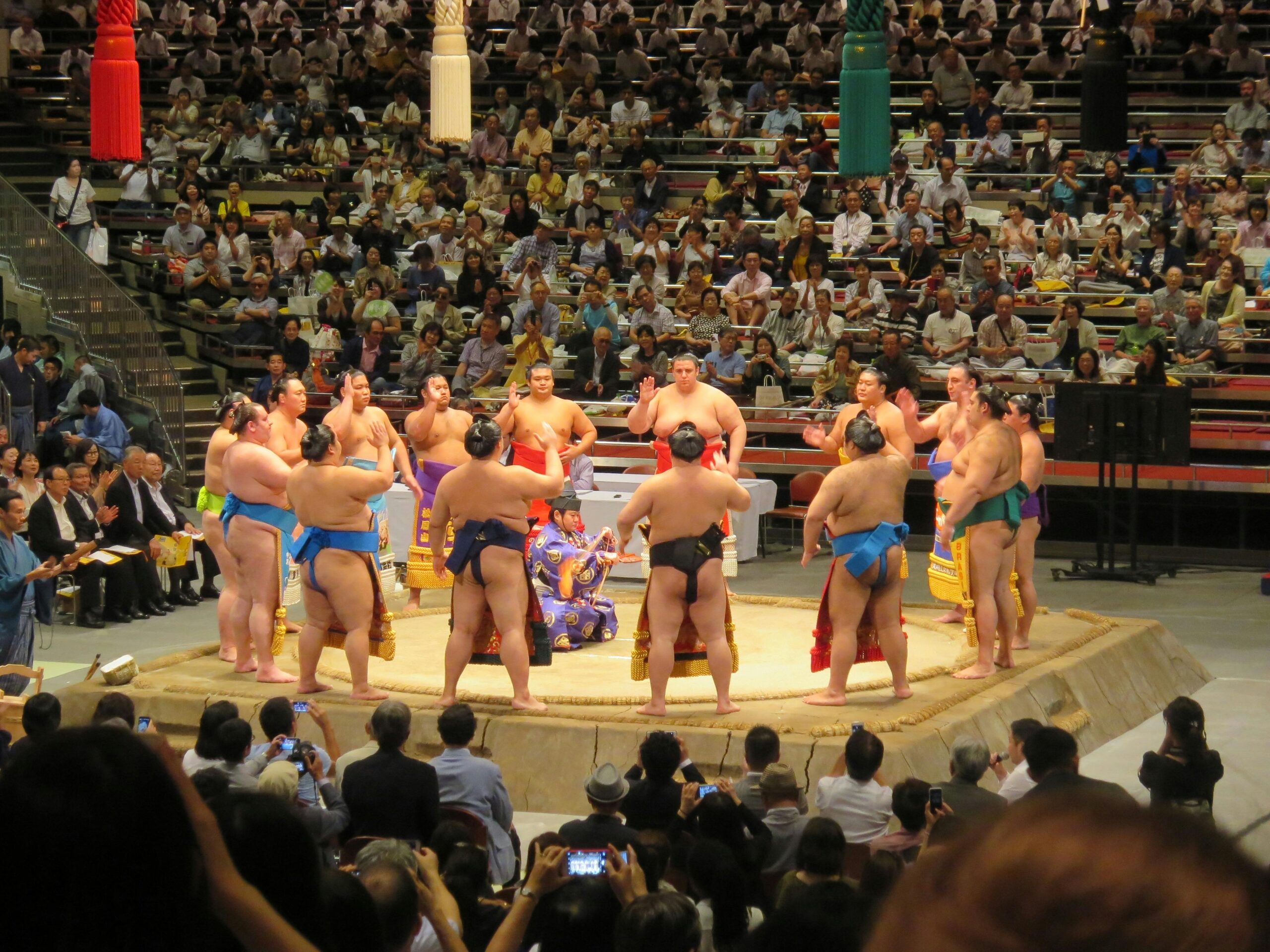
Sumo is one of Japan’s most traditional sports, but it is also a living, changing world. Every two months, the top wrestlers compete in a grand tournament, and every new ranking list can change the story of the sport. Some wrestlers rise quickly, some struggle with injuries, and some become fan favorites because of their unique style or personality.
For people outside Japan, sumo can sometimes seem difficult to follow at first. There are many ranks, many Japanese terms, and a strong connection to ritual and history. However, once you know the main wrestlers, the sport becomes much easier to enjoy. The rivalries, the different fighting styles, and the dramatic rise of young talents are what make modern sumo so exciting.
This article introduces some of the most famous active sumo wrestlers today. The focus is on wrestlers who are currently active, especially those in the top division and those who are shaping the future of professional sumo.
Understanding the Main Sumo Ranks
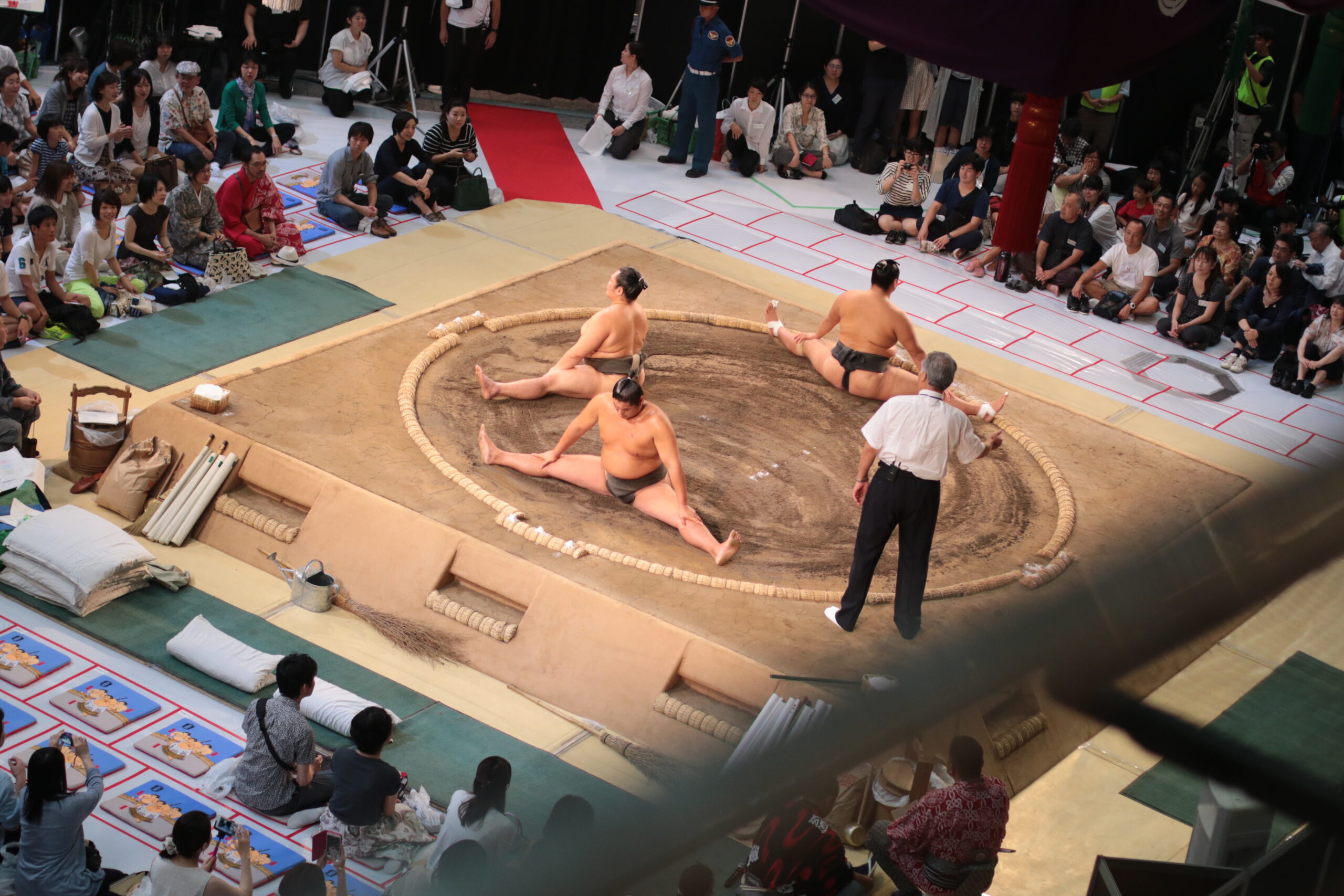
Before looking at individual wrestlers, it is helpful to understand the basic ranking system. Professional sumo has several divisions, but the highest division is called Makuuchi. This is where the most famous wrestlers compete.
At the top of the ranking system is Yokozuna, or grand champion. This is the highest rank in sumo. A Yokozuna is expected not only to win but also to show dignity, strength, and consistency. Unlike other ranks, a Yokozuna cannot be demoted. If he can no longer perform at the required level, retirement is usually expected.
The second-highest rank is Ozeki. Ozeki are elite champions who must continue to perform well or risk demotion. Below Ozeki are Sekiwake and Komusubi, which together with Ozeki and Yokozuna are often called the upper ranks. The remaining wrestlers in the top division are called Maegashira.
Knowing these ranks helps readers understand why certain matches are so important. A young Maegashira who defeats a Yokozuna can become a major story overnight, while an Ozeki who wins a tournament may begin a serious push toward Yokozuna promotion.
Yokozuna: The Grand Champions
Hoshoryu
Hoshoryu is one of the most important names in modern sumo. Born in Mongolia, he comes from a famous sumo family: he is the nephew of former Yokozuna Asashoryu, one of the most dominant and controversial champions in the history of the sport.
However, Hoshoryu is not simply famous because of his family name. He has built his own reputation through powerful, technical, and often spectacular sumo. Compared with some larger wrestlers, Hoshoryu is not the heaviest man in the top division, but he has excellent balance, timing, and throwing ability.
One of the reasons fans enjoy watching Hoshoryu is that his matches can change direction very quickly. He is capable of winning with throws, trips, belt techniques, and sudden movements that surprise even strong opponents. His sumo often shows the influence of Mongolian wrestling, especially in his ability to use an opponent’s movement against him.
As a Yokozuna, Hoshoryu carries major expectations. He is expected to lead the sport, win consistently, and show the presence of a grand champion. His matches against other top-ranked wrestlers are among the most anticipated bouts in modern sumo.
Onosato
Onosato is one of the biggest stories in recent sumo. A Japanese-born wrestler from Ishikawa Prefecture, he rose through the professional ranks at remarkable speed. Before entering professional sumo, he had already built a strong reputation in amateur and university sumo, which gave him a strong foundation from the beginning of his career.
Onosato is known for his size, strength, and direct forward-moving style. He is tall, heavy, and physically powerful, but his success is not based on size alone. His footwork, timing, and ability to keep pressure on his opponent make him extremely difficult to stop.
For Japanese sumo fans, Onosato is especially significant because he represents a new Japanese star at the very top of the sport. In recent decades, many of the strongest Yokozuna came from Mongolia, so a dominant Japanese Yokozuna attracts major attention from the domestic media and fans.
His rivalry with Hoshoryu is one of the central stories of current sumo. Hoshoryu brings speed, technique, and throwing ability, while Onosato brings size, power, and relentless forward pressure. Their contrasting styles make their matches especially interesting for both longtime fans and newcomers.
Ozeki: Champions Chasing the Top
Kotozakura
Kotozakura is another major figure in the current sumo world. He comes from one of sumo’s most famous families. His grandfather was the 53rd Yokozuna Kotozakura, and his father was also a high-ranking professional sumo wrestler. This family background gives him a strong connection to sumo history.
Formerly known as Kotonowaka, he later took the ring name Kotozakura, carrying on his grandfather’s name. In sumo, a ring name is more than a label. It can represent tradition, expectation, and identity. For Kotozakura, the name connects him directly to a respected Yokozuna of the past.
His sumo style is steady and balanced. He is not usually described as flashy, but he is strong, patient, and difficult to move. He often prefers belt-fighting, using his size and body position to control opponents. His strength lies in consistency and fundamentals.
Kotozakura is important because he represents the traditional image of a powerful Ozeki: calm, stable, and always dangerous. If he can win tournaments and show repeated dominance, he remains a possible Yokozuna candidate.
Kirishima
Kirishima is a skilled Mongolian wrestler who has already experienced both the pressure of the Ozeki rank and the difficulty of maintaining it. His career has included promotion, setbacks, and a strong effort to return to the top level.
He is known for his strength on the belt, his ability to throw opponents, and his calmness in difficult positions. Kirishima is the kind of wrestler who can look as if he is in trouble, then suddenly turn the match around with a well-timed technique.
His style is different from wrestlers who rely mainly on pushing and thrusting. Kirishima often looks for a grip on the opponent’s mawashi, the traditional belt worn by sumo wrestlers. Once he has a good position, he can use throws, force-outs, and body control to win.
Because he has already been near the very top, fans watch him not only as a strong wrestler but also as a comeback story. In sumo, returning to the top after setbacks is extremely difficult, which makes Kirishima’s career especially interesting.
Aonishiki
Aonishiki is one of the most fascinating active wrestlers in sumo today. Born in Ukraine, he has become a major international figure in the sport. His rise is especially meaningful because sumo has long included foreign-born stars from Mongolia, Hawaii, Bulgaria, Georgia, and other places, but a Ukrainian Ozeki brings a new story to the modern era.
Aonishiki is not the largest wrestler in the top division, but he is highly skilled and athletic. He is known for his belt techniques, movement, and ability to adapt during a bout. His style can be creative and flexible, which makes him exciting to watch.
For international fans, Aonishiki is an easy wrestler to follow because his background shows how global sumo has become. Although sumo is deeply Japanese in tradition, many of its modern stars have come from outside Japan. Aonishiki continues that pattern while also bringing attention from European and Ukrainian fans.
As an Ozeki, he is now expected to perform at an elite level in every tournament. His next challenge is to show consistency against Yokozuna and other Ozeki. If he can win championships and maintain strong records, he may become part of the Yokozuna conversation in the future.
San’yaku Contenders and Upper-Rank Challengers
Daieisho
Daieisho is one of the most powerful pushing-and-thrusting specialists in modern sumo. His style is known as oshi-zumo, which means sumo based on pushing, thrusting, and keeping opponents away from the belt.
When Daieisho is at his best, his opening charge is explosive. He attacks quickly with strong thrusts to the chest and upper body, forcing opponents backward before they can settle into their own style. He is especially dangerous against belt-fighters who need time to get a grip.
Daieisho has already shown that he can defeat top-ranked opponents and compete for championships. His style is direct and aggressive, which makes his matches easy for new fans to understand. He wants to move forward, keep pressure on the opponent, and finish the match quickly.
Wakamotoharu
Wakamotoharu is part of a well-known sumo family. He and his brothers have all drawn attention from sumo fans, making the “Waka” name familiar to many followers of the sport.
Wakamotoharu’s sumo is often patient and technical. He is not usually the kind of wrestler who wins with wild attacks. Instead, he works carefully to improve his position, control the opponent’s body, and create the right moment to finish the match.
His style appeals to fans who enjoy classic belt-fighting and tactical sumo. He may not always receive as much international attention as the Yokozuna or Ozeki, but he is an important presence in the upper ranks.
Atamifuji
Atamifuji is one of the young wrestlers who has attracted attention as a possible future star. He has size, confidence, and the ability to challenge much more experienced opponents.
His sumo is usually based on moving forward and putting pressure on the opponent. When he is able to get into his preferred position, he can use his body weight and strength effectively. His early success in the top division made many fans see him as a wrestler with strong potential.
Atamifuji is still developing, and consistency is the key issue for any young rikishi. However, his name is already familiar to many fans because he has shown that he can compete with strong opponents and remain part of the conversation about sumo’s future.
Popular Maegashira and Fan Favorites
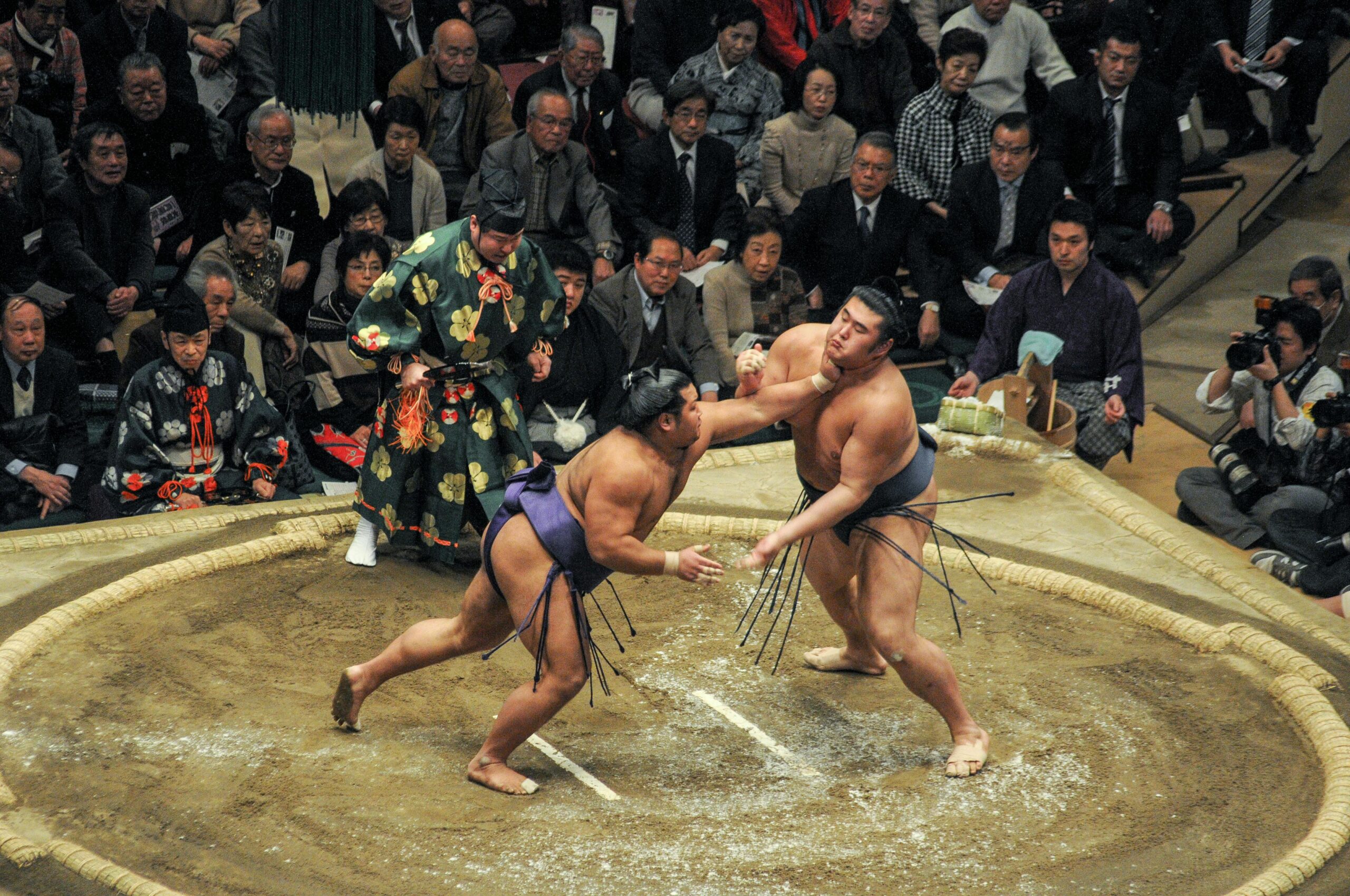
Ura
Ura is one of the most beloved active sumo wrestlers. He is famous not because he is the biggest or most dominant wrestler, but because he is one of the most creative and entertaining.
His style is unusual. Ura often uses rare techniques, low attacks, quick movement, and surprising counters. He can win in ways that many fans do not expect. This makes him especially popular with casual viewers, because his matches often feel unpredictable.
Ura has also dealt with serious injuries during his career, which has added to his popularity. Fans admire not only his technique but also his persistence. His return to the top division after setbacks made him a symbol of determination.
For people new to sumo, Ura is one of the easiest wrestlers to enjoy. Even without knowing every technical term, viewers can quickly see that his matches are different.
Abi
Abi is another highly recognizable wrestler. He is known for his long arms, fast thrusting attacks, and aggressive pushing style. Like Daieisho, he usually prefers to keep opponents away from his belt.
His matches are often fast and intense. Abi attacks immediately from the start, using repeated thrusts to the upper body and throat area to break the opponent’s balance. When this style works, he can defeat even very strong opponents quickly.
However, his style also carries risk. If an opponent survives the first attack and gets inside, Abi can be vulnerable. This high-risk, high-reward style makes him exciting to watch. Fans know that an Abi match can change in just a few seconds.
Tobizaru
Tobizaru is one of the most energetic wrestlers in the top division. His ring name is often translated as “Flying Monkey,” and the name fits his lively style.
He is known for movement, speed, and unpredictability. Instead of simply meeting larger wrestlers head-on, Tobizaru often uses angles, footwork, and quick reactions. He can frustrate bigger opponents by refusing to give them an easy target.
His personality and fighting style have made him a fan favorite. Even when he is not ranked at the very top, he remains one of the wrestlers people enjoy watching because his matches are rarely dull.
Midorifuji
Midorifuji is a smaller wrestler by top-division standards, but he has built a strong reputation through technique. His success shows one of the most interesting things about sumo: size matters, but technique, timing, and balance can also defeat size.
He is known for clever throws and trips. One of his best-known techniques is katasukashi, the under-shoulder swing down, which can suddenly pull an opponent off balance. When performed well, it is one of the most beautiful techniques in sumo.
Midorifuji is a good wrestler to watch for anyone who wants to understand the technical side of the sport. His matches show that sumo is not only about weight and power. It is also about reading the opponent and using the right technique at the right moment.
Why These Active Wrestlers Matter
The current sumo scene is especially interesting because it includes several different storylines at the same time. Hoshoryu and Onosato represent a new Yokozuna rivalry. Kotozakura carries a famous sumo family name. Aonishiki brings a fresh international story as a Ukrainian-born Ozeki. Kirishima represents the struggle to return to the top. Ura, Abi, Tobizaru, and Midorifuji give fans variety, personality, and technical excitement.
This variety is one of the best things about modern sumo. Not every famous wrestler has the same body type or the same style. Some rely on raw power. Some rely on pushing and thrusting. Some prefer belt-fighting. Others use speed, tricks, and rare techniques.
For new fans, following a few of these wrestlers can make each tournament much more enjoyable. Instead of watching only the final results, fans can follow the stories: Can Onosato continue to dominate? Can Hoshoryu show Yokozuna-level consistency? Can Aonishiki become an even bigger international star? Can Kotozakura make a serious Yokozuna run? Can fan favorites like Ura and Tobizaru upset the top-ranked wrestlers?
How to Watch Modern Sumo as a Beginner
If you are new to sumo, the best way to start is to follow the top division during a grand tournament. Grand sumo tournaments are held six times a year: three in Tokyo and one each in Osaka, Nagoya, and Fukuoka.
Each tournament lasts 15 days. A wrestler usually has one match per day. At the end of the tournament, the wrestler with the best record wins the championship, called the yūshō. A record such as 12 wins and 3 losses is written as 12-3.
Promotion and demotion are based on performance. If a wrestler wins more than he loses, he usually rises in the next ranking list. If he loses more than he wins, he usually falls. This system makes every tournament important, even for wrestlers who are not competing for the championship.
For beginners, it is helpful to choose a few wrestlers to follow. Watching Hoshoryu, Onosato, Aonishiki, Kotozakura, Ura, and Tobizaru will give you a good sense of the different styles and personalities in modern sumo.
Conclusion: The Active Rikishi Defining Sumo Today
Sumo is built on tradition, but each generation creates its own stars. Today’s active sumo wrestlers are shaping a new era of the sport. Hoshoryu and Onosato stand at the top as Yokozuna. Kotozakura, Kirishima, and Aonishiki are powerful Ozeki who add depth and drama to every tournament. Around them are skilled contenders and fan favorites such as Daieisho, Wakamotoharu, Atamifuji, Ura, Abi, Tobizaru, and Midorifuji.
Together, these wrestlers show why sumo remains fascinating. It is a sport of strength, but also of timing, balance, tradition, personality, and mental toughness. For anyone who wants to understand sumo today, these are the active rikishi to know.