October 10, 2026
Japan Luggage Express

Japan Luggage Express Ltd.
Mysterious Cold in Fukuoka, Japan
Mysterious Cold in Fukuoka, Japan
Why People Are Talking About a “Mysterious Cold” in Fukuoka
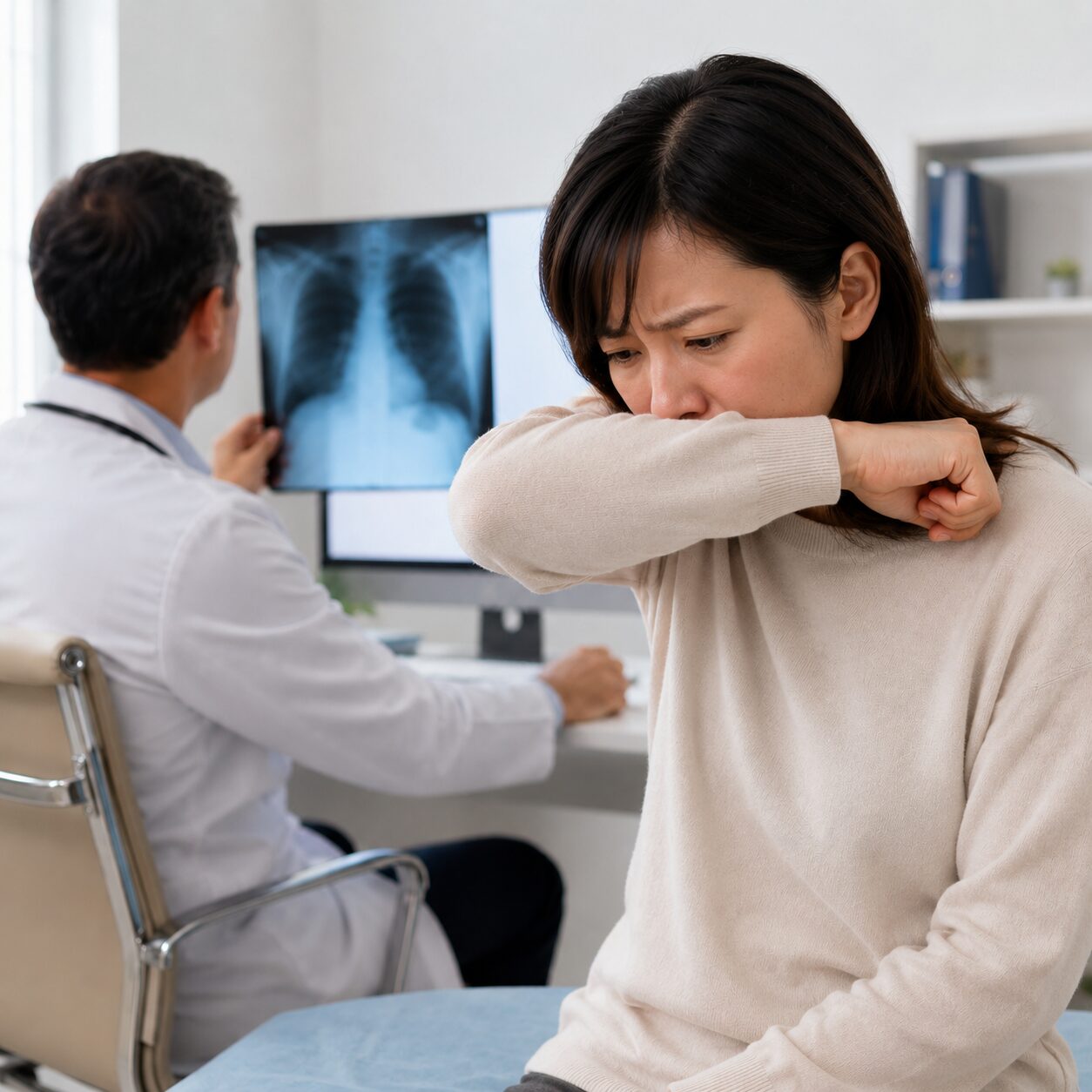
In May 2026, the phrase “mysterious cold” began attracting attention in Fukuoka, a major city in Kyushu, southern Japan. On Japanese social media, many people described a cold-like illness that seemed to spread after the Golden Week holidays. The symptoms sounded familiar at first: sore throat, coughing, runny nose, phlegm, fatigue, and a lingering feeling of being unwell. What made people call it “mysterious” was that many cases reportedly did not involve a high fever, and some people said their symptoms lasted longer than an ordinary cold.
For overseas readers, it is important to understand that “mysterious cold” is not an official medical diagnosis. It is a popular expression used online and in some media reports to describe a noticeable rise in cold-like symptoms in Fukuoka. At the time of reporting, Japanese doctors and local medical organizations had not announced that a completely new disease had been discovered. Rather, the situation appears to involve a wave of respiratory symptoms whose exact causes may vary from person to person.
That distinction matters. A “mysterious cold” sounds alarming, especially when translated into English, but the available information suggests a more cautious interpretation: people in Fukuoka are experiencing an increase in respiratory illness, and doctors are still investigating which viruses or other factors may be involved.
What Symptoms Are Being Reported?
The symptoms most often mentioned in Japanese reports and social media posts include:
- Sore throat
- Persistent cough
- Runny nose
- Nasal congestion
- Phlegm
- Hoarse voice
- Tiredness or fatigue
- Mild or no fever
Some people have described the illness as beginning with throat pain, followed by nasal symptoms and then a cough that becomes difficult to shake off. Others have said that they felt sick for several days even though they did not have the kind of high fever commonly associated with influenza.
This pattern is one reason the phrase “mysterious cold” spread quickly. Many people are used to thinking of influenza or COVID-19 when they develop a fever, but a respiratory illness without a clear fever can feel harder to identify. However, a lack of fever does not automatically mean the illness is unusual. Many common respiratory infections can cause throat pain and cough without producing a high temperature.
Why Fukuoka Became the Focus
Fukuoka is one of Japan’s largest regional cities and a busy hub for domestic and international travel. The timing of the reports is also notable. Golden Week, one of Japan’s busiest holiday periods, takes place from late April to early May. During this period, many people travel, gather with relatives, attend events, eat out, and move through crowded train stations, airports, shopping areas, and tourist spots.
After a holiday period with more human contact than usual, respiratory infections can become easier to notice. Even if no single pathogen is responsible, many different viruses can circulate at the same time. When large numbers of people return to school, work, and public transportation after holidays, symptoms that were previously scattered may suddenly appear to be “spreading.”
In Fukuoka, local media reported that clinics were seeing many patients complaining of cold-like symptoms. One report described a clinic receiving a large number of patients with symptoms such as cough and sore throat. This kind of local medical pressure may have helped turn an ordinary-sounding seasonal illness into a broader public topic.
What Japanese Media Have Reported
Japanese media coverage has treated the topic as a local health concern rather than confirmation of a new infectious disease. FNN Prime Online reported on May 21, 2026, that a so-called “mysterious cold” appeared to be increasing after Golden Week, with symptoms such as sore throat, cough, and runny nose continuing while fever was often absent. The report also noted that the exact virus had not been identified.
KBC, a major broadcaster in the Fukuoka and Saga area, also reported that the phrase “mysterious cold in Fukuoka” had become a topic on social media. Its coverage described a rise in patients with long-lasting cough and throat pain and introduced doctors’ views on possible causes.
The Fukuoka Medical Association reportedly suggested that the illness was likely caused by some kind of viral infection, while also stating that the detailed cause was still being investigated. This is a careful and reasonable position. Many respiratory illnesses are viral, but identifying the exact virus is not always simple, especially when symptoms overlap.
For English-language readers, the key point is this: Japanese media are not saying that Fukuoka is facing a confirmed new pandemic disease. They are reporting an increase in cold-like symptoms that has attracted public attention and is being investigated by doctors.
Could It Be COVID-19, Influenza, or Something Else?
The symptoms described in Fukuoka could overlap with several different illnesses. Possible explanations include:
- Common cold viruses, such as rhinoviruses or coronaviruses other than SARS-CoV-2
- COVID-19
- Influenza, although fever is often more prominent in flu cases
- Human metapneumovirus, also known as hMPV
- Respiratory syncytial virus, or RSV
- Adenovirus
- Mycoplasma pneumoniae
- Streptococcal throat infection
- Allergic rhinitis, pollen, dust, yellow sand, or air pollution aggravating the throat and nose
This does not mean all of these are responsible for the situation in Fukuoka. It means that symptoms such as sore throat, cough, and runny nose are not specific enough to identify one cause without testing and medical evaluation.
In Japan, the phrase “cold” is often used casually for a wide range of mild respiratory symptoms. A person may say they “caught a cold” even before knowing whether the actual cause is a virus, bacteria, allergy, or environmental irritation. This everyday use of language can make the phrase “mysterious cold” sound more dramatic than the medical reality.
Why hMPV Has Been Mentioned
One possible cause discussed in relation to cold-like symptoms is human metapneumovirus, or hMPV. This virus is not new. It is a known respiratory virus that can cause symptoms similar to the common cold, including cough, fever, nasal symptoms, and wheezing. In young children, older adults, and people with weakened immune systems, it can sometimes lead to more serious lower respiratory tract illness.
However, it would be inaccurate to say that the “mysterious cold in Fukuoka” is definitely hMPV unless testing confirms that. hMPV may be one candidate among several. It is better to describe it as one possible respiratory virus that can produce similar symptoms, not as the confirmed identity of the illness.
This point is especially important for overseas readers who may see the word “mysterious” and assume that Japan has discovered a new virus. Based on available reports, the situation is more likely to involve known respiratory infections, possibly mixed with seasonal and environmental factors.
Seasonal and Environmental Factors May Also Matter
The timing of the reports coincides with changing weather conditions in Japan. Late spring can bring sudden changes in temperature, humidity, pollen levels, and airborne particles such as yellow sand from the Asian continent. These factors do not necessarily cause viral infections by themselves, but they can irritate the throat and nose or make people more vulnerable to feeling unwell.
For example, dry air, pollen, dust, and yellow sand can worsen coughing, nasal congestion, and throat discomfort. If someone already has a mild viral infection, environmental irritation may make the symptoms feel stronger or last longer. This may partly explain why some people experience a persistent cough even after the worst of the illness seems to have passed.
In other words, the “mysterious cold” may not have a single cause. It may be a combination of common respiratory viruses, post-holiday social contact, seasonal weather changes, and environmental irritation.
Is It Dangerous?
For most healthy adults, cold-like symptoms such as sore throat, cough, and runny nose are usually not dangerous. However, that does not mean they should always be ignored. A cough that lasts a long time, breathing difficulty, chest pain, dehydration, or severe fatigue can indicate a condition that needs medical attention.
People should be especially careful if they belong to a higher-risk group, including:
- Infants and young children
- Older adults
- Pregnant people
- People with asthma or chronic lung disease
- People with heart disease
- People with weakened immune systems
- People receiving cancer treatment or immunosuppressive medication
For these groups, even a common respiratory virus can sometimes become serious. If symptoms worsen, if breathing becomes difficult, or if a person cannot eat or drink properly, medical consultation is recommended.
When Should Someone See a Doctor?
Anyone experiencing symptoms in Fukuoka, or after traveling in Japan, should consider seeking medical advice if they have:
- Difficulty breathing
- Chest pain
- Blue lips or severe shortness of breath
- High fever that continues
- Symptoms that improve and then suddenly worsen again
- Cough lasting more than two weeks
- Severe sore throat with difficulty swallowing
- Signs of dehydration
- Unusual drowsiness or confusion
- Symptoms in an infant, elderly person, or medically vulnerable person
It is also wise to test for COVID-19 or influenza when appropriate, especially if the person has been in crowded places or has contact with vulnerable family members.
What Travelers to Fukuoka Should Know
There is no indication that travelers should avoid Fukuoka because of the so-called mysterious cold. Fukuoka remains a normal travel destination, and the reports do not amount to a formal travel warning. Still, travelers should take ordinary respiratory infection precautions, especially in crowded indoor spaces.
Practical steps include:
- Wash hands regularly
- Use hand sanitizer when soap and water are unavailable
- Avoid touching the eyes, nose, and mouth with unwashed hands
- Wear a mask in crowded indoor areas if feeling unwell or concerned
- Cover coughs and sneezes
- Stay hydrated
- Rest if symptoms appear
- Avoid close contact with elderly or medically vulnerable people when sick
In Japan, wearing a mask when coughing is considered normal and courteous. For overseas visitors, this is an easy way to reduce the risk of spreading illness while also fitting local expectations.
Why the Term “Mysterious Cold” Can Be Misleading
The phrase “mysterious cold” is understandable from the public’s perspective. People become anxious when many acquaintances have similar symptoms and no one knows exactly what is causing them. However, the phrase can also create unnecessary fear.
A symptom cluster can feel mysterious before laboratory testing identifies a cause. But medically, that does not automatically mean the pathogen is new, rare, or especially dangerous. Many respiratory viruses cause overlapping symptoms, and most mild cases are never tested in detail. This makes it difficult to know whether a local wave of illness is caused by one virus or by several infections occurring at the same time.
For this reason, the most accurate English description may be:
“A locally reported wave of cold-like respiratory symptoms in Fukuoka, informally called a ‘mysterious cold’ on Japanese social media.”
This wording captures the reality without exaggerating the situation.
How This Fits Into Japan’s Respiratory Infection Monitoring
Japan monitors infectious diseases through national and local surveillance systems. Since April 2025, acute respiratory infections have been included in Japan’s sentinel surveillance system. Acute respiratory infection is a broad category that includes illnesses affecting the upper or lower respiratory tract, such as rhinitis, pharyngitis, laryngitis, bronchitis, bronchiolitis, and pneumonia.
This category can include influenza, COVID-19, RSV, adenovirus-related illness, strep throat, and ordinary colds. Because the category is broad, an increase in respiratory symptoms does not immediately identify a specific disease. It shows that respiratory illness is being observed and reported.
For Fukuoka, local infectious disease reports provide useful background, but the phrase “mysterious cold” itself remains a media and social media term rather than an official disease category.
A Balanced View: What We Know and What We Do Not Know
What we know:
- People in Fukuoka have been reporting cold-like symptoms such as sore throat, cough, runny nose, and phlegm.
- Some reports emphasize that many patients do not have a high fever.
- Japanese media including FNN and KBC have covered the issue.
- The Fukuoka Medical Association has suggested a viral infection is likely.
- The exact cause has not been publicly confirmed.
What we do not know:
- Whether one single virus is responsible
- Whether the situation is limited to Fukuoka or simply more visible there
- How many cases are part of the same pattern
- Whether hMPV, COVID-19, RSV, adenovirus, or another pathogen is the main cause
- Whether environmental factors are playing a major or minor role
This uncertainty is precisely why a cautious tone is necessary. The issue is worth watching, but it should not be exaggerated into a claim about a new unknown disease.
Conclusion: A Local Health Topic, Not a Confirmed New Disease
The “mysterious cold in Fukuoka, Japan” is best understood as a public and media label for a noticeable rise in cold-like respiratory symptoms. The main symptoms being discussed are sore throat, cough, runny nose, phlegm, and fatigue, often with little or no fever. Japanese media have reported on the issue, and local doctors suspect a viral cause, but no single pathogen has been confirmed as the definitive explanation.
For overseas readers, the most important point is not to panic over the word “mysterious.” At this stage, the situation appears to involve respiratory symptoms that could be caused by known viruses and seasonal factors. People in Fukuoka and visitors to the region should follow ordinary infection-prevention measures, rest when sick, and seek medical care if symptoms are severe or persistent.
The story is a useful reminder that even familiar illnesses can feel unfamiliar when they spread at the same time, last longer than expected, or do not match the classic pattern of fever and body aches. Until more information becomes available, the responsible way to describe the situation is simple: Fukuoka is seeing reports of a cold-like respiratory illness, but there is no confirmed evidence that it is a new or unknown disease.