July 29, 2026
Japan Luggage Express

Japan Luggage Express Ltd.
Japan Tourist tax Increase

Japan Tourist Tax Increase
What Travelers Should Know in 2026
Japan is moving ahead with a higher international departure tax, a policy that has quickly become part of the wider debate over overtourism, infrastructure strain, and how the country should fund the next stage of its tourism boom. As of 2026, the key point is this: Japan’s existing International Tourist Tax has been 1,000 yen per departure, but the tax framework has been revised so that the rate becomes 3,000 yen per departure from July 1, 2026, with some transitional exceptions for certain transport contracts concluded earlier.
For many people, this is being described as a “tourist tax increase,” but that wording is slightly misleading. In legal and practical terms, this is not a fee charged only to foreign tourists. Japan’s International Tourist Tax applies broadly to passengers leaving Japan by ship or aircraft, regardless of whether they are tourists, business travelers, students, or Japanese nationals. In other words, it is best understood as a departure tax, even though it is closely tied to tourism policy.
What is Japan’s tourist tax?
Japan introduced the International Tourist Tax in January 2019. The original idea was simple: every time an eligible passenger departs Japan, a small amount is collected and used to improve the tourism environment. The tax has generally been built into airfare or other international transport charges, so many travelers pay it without noticing it as a separate line until they look closely at their ticket breakdown. The official purpose has been to fund measures such as smoother travel experiences, better access to information, and the development of tourism resources across the country.
Under the long-standing system, the rate has been 1,000 yen per departure. That amount was small enough that it rarely changed travel decisions on its own, especially for long-haul visitors. However, with Japan seeing record inbound demand and rising concern about congestion in famous destinations, policymakers have started to view the tax as both a revenue source and a policy signal.
What is changing in 2026?

The major change is the rate. From July 1, 2026, the tax rate is set to rise from 1,000 yen to 3,000 yen per departure. That means the amount will effectively triple for many travelers leaving Japan after that date. There is also an important transitional rule: for some transport contracts concluded before July 1, 2026, the earlier 1,000-yen rate may still apply even if the actual departure happens later, depending on the contract structure.
That transitional detail matters because not every traveler departing after July 1 will automatically pay 3,000 yen. In some cases, the booking date and the terms of the transport contract may affect which rate applies. So while headlines saying that Japan is tripling its tourist tax from July are broadly correct, the real-world application is a little more nuanced.
Why is Japan increasing the tax?
The tax increase is closely tied to Japan’s effort to manage the side effects of its own tourism success. Japan has continued to welcome very large numbers of international visitors, and the government has kept ambitious long-term tourism targets while also emphasizing stronger action against overtourism. The 2026 policy direction links the higher departure tax to measures such as congestion relief, regional tourism dispersal, and support for areas struggling with heavy visitor pressure.
This context is important. The tax is not simply being raised because Japan wants more money from visitors. It reflects a broader policy shift: Japan still wants tourism growth, but it also wants more tools to manage where people go, how crowded famous sites become, and how local communities cope with the pressure.
Who has to pay?
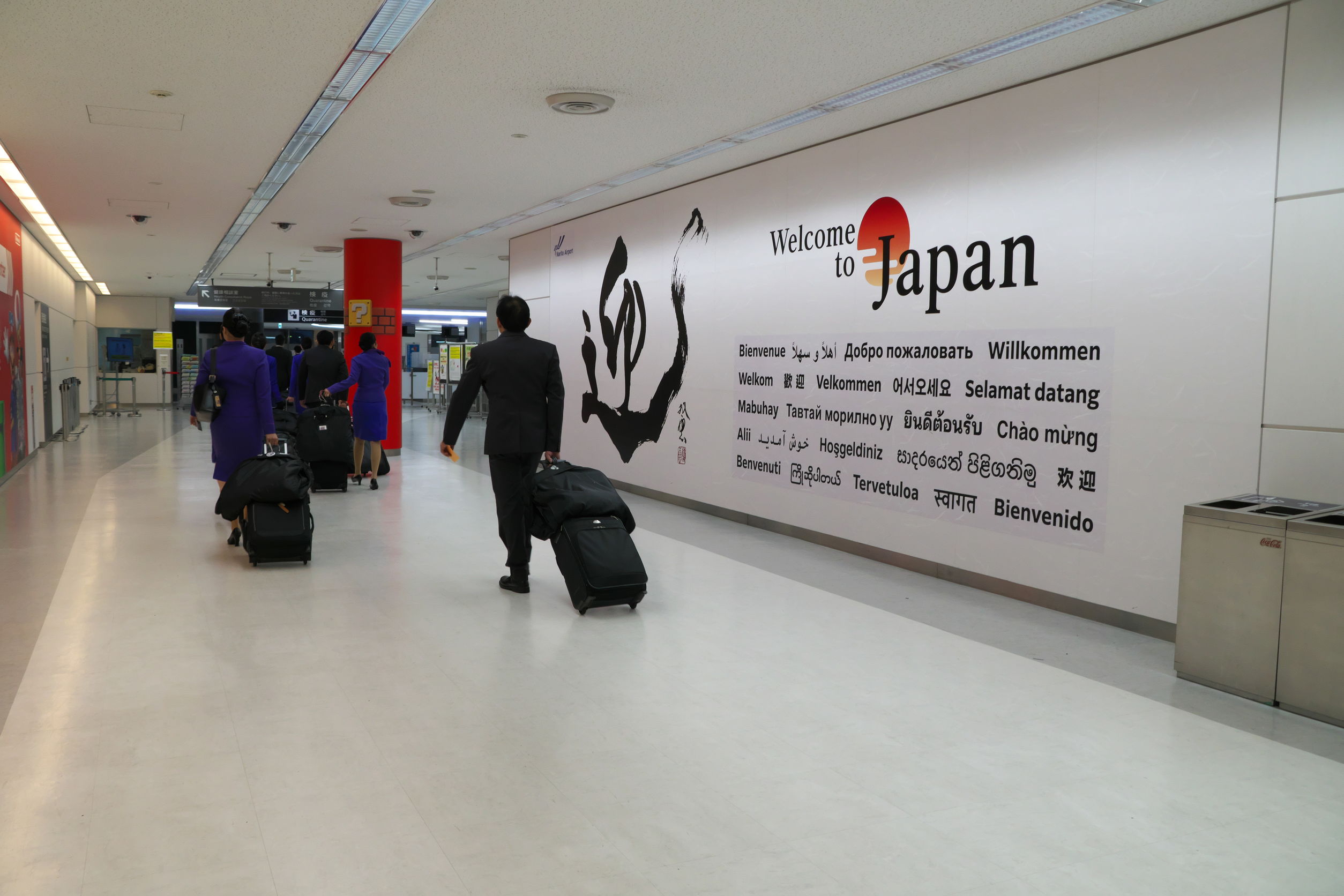
In principle, the tax applies to people departing Japan by aircraft or ship. It is not limited to leisure travel. Eligible passengers include those traveling for tourism, business, official duties, work, study, medical reasons, and other purposes. That means the name “tourist tax” is popular in media coverage, but the underlying legal structure is broader than tourism alone.
There are also exemptions and non-taxable cases. These include, for example, children under age two, some transit passengers leaving Japan within 24 hours of arrival, and certain other special categories. In addition, there are exemptions for some diplomatic and military-related cases.
Will this affect tourism demand?

Tokyo, Japan at the Marunouchi business district and Tokyo Station.
For most international travelers, a rise from 1,000 yen to 3,000 yen is noticeable but not dramatic. On an expensive international trip, the difference is relatively small. It is unlikely, by itself, to stop large numbers of people from visiting Japan. In that sense, the increase looks more like a management tool and funding mechanism than a true demand suppressor. That is especially true when Japan remains one of the world’s most attractive destinations and continues to benefit from strong global interest.
At the same time, taxes can have symbolic weight even when the direct financial burden is modest. A higher departure tax sends a message that Japan is entering a new phase of tourism policy: one where growth alone is no longer the only goal. Policymakers are trying to balance visitor numbers with sustainability, regional distribution, and the quality of life in local communities.
Arguments in favor of the increase
Supporters of the increase can point to several practical benefits. First, tourism growth creates real costs. Airports, transport hubs, multilingual signage, digital systems, congestion controls, and cultural site maintenance all require money. A departure tax gives the government a dedicated revenue stream that can be tied directly to travel-related improvements.
Second, the increase may help Japan respond more credibly to overtourism. For years, the country focused heavily on attracting more visitors. Now that annual arrivals have climbed to very high levels, the conversation has shifted. The government’s newer tourism planning emphasizes not just attracting travelers, but also guiding them toward less crowded regions and improving behavior management in hotspots. A stronger tax base supports that transition.
Third, the tax remains relatively low even after the increase. A 3,000-yen departure tax is still not likely to change the core affordability of a Japan trip for most long-distance visitors, especially compared with the total cost of flights, hotels, and food.
Arguments against the increase
Critics, however, have reasonable concerns. One is fairness. Because the tax applies broadly to passengers leaving Japan, it does not distinguish between high-spending leisure visitors and people traveling for family, study, or essential reasons. Some may argue that a flat departure charge is too blunt an instrument.
Another criticism is that departure taxes do not automatically solve overtourism. The real problems in places like Kyoto, the Mount Fuji area, and other famous destinations often come from crowd concentration, infrastructure bottlenecks, and visitor behavior. Raising a national departure fee may provide funding, but it does not by itself guarantee that tourists will spread out more evenly or behave more responsibly.
There is also the broader concern that Japan may gradually become more expensive in multiple ways at once. Besides the departure tax debate, some regions have also been expanding or revising local lodging taxes, and the policy environment for inbound travel is clearly becoming more layered. A single fee increase may be modest, but travelers can start to notice the cumulative effect.
What travelers should do

Yasaka Pagoda and Sannen Zaka Street in the Morning, Kyoto, Japan, Yasaka Pagoda in the morning, Kyoto Japan
For travelers planning a trip to Japan in 2026, the first practical step is to understand when they will leave Japan and when their transport contract was concluded. If departure is after July 1, 2026, the new 3,000-yen rate may apply, but some earlier bookings may remain under the 1,000-yen rate depending on the contract terms.
Second, travelers should remember that this tax is usually not something they pay separately at the airport in cash. In many cases, it is folded into the ticket price by the airline or ship operator. That means the most realistic effect may simply be a slightly higher total fare rather than a dramatic new airport procedure.
Third, it is worth seeing the tax increase as part of a wider change in Japan’s tourism model. Popular destinations are becoming more regulated, more expensive in some cases, and more conscious of balancing visitor demand with local needs. Travelers who stay flexible, visit regional destinations, avoid peak crowd periods, and respect local rules will likely have a better experience in this new environment.
Final thoughts
The phrase “Japan tourist tax increase” is attention-grabbing, but the bigger story is not just that the price is going up. The deeper story is that Japan is redefining how it wants to handle tourism after a period of extraordinary growth. With very high visitor numbers, stronger overtourism countermeasures, and a higher departure tax from July 1, 2026, the country is trying to move from a simple growth strategy to a more controlled and sustainable one.
For travelers, the increase itself is not huge. For policymakers, though, it represents something larger: a clear sign that tourism in Japan is no longer just about bringing in more people. It is increasingly about managing the consequences of success.