September 15, 2026
Japan Luggage Express

Japan Luggage Express Ltd.
Japan stray cat law change
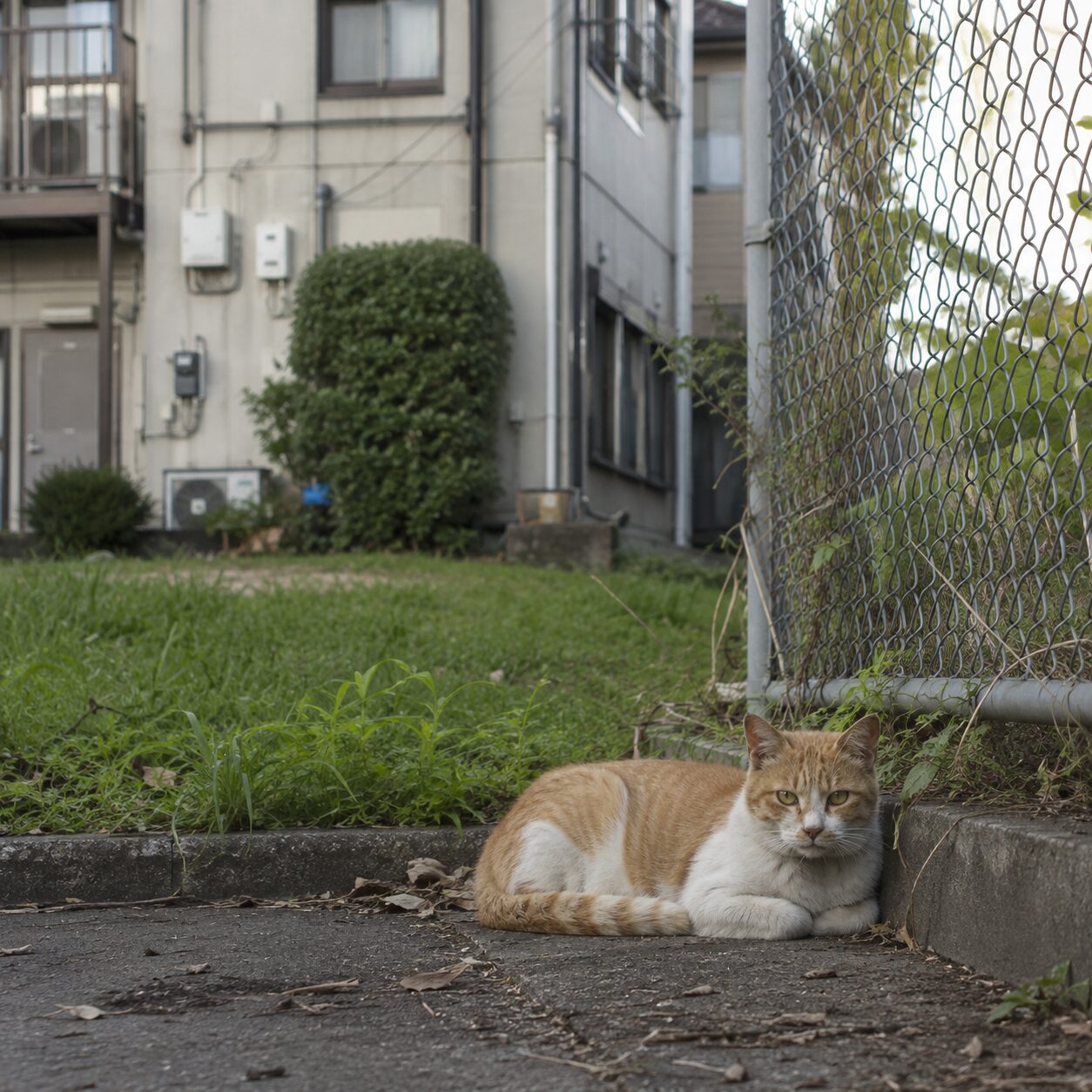
Japan stray cat law change
Is Japan changing its laws on stray cats? The phrase “Japan stray cat law change” has recently attracted attention online, particularly among people outside Japan.
Some social media posts and English-language reports have created the impression that Japan has passed a new law declaring stray cats an invasive species, or that stray cats can now be captured or killed simply because they live outdoors.
That is not what happened.
Japan did consider changing the way domestic cats were described on a government list of invasive species that may cause ecological damage. However, the proposal caused controversy and was ultimately changed before the revised list was finalized.
Most importantly, this was not a new law allowing the general killing or removal of stray cats across Japan.
Did Japan change its law on stray cats?
No. Japan did not introduce a new nationwide law that suddenly makes stray cats illegal or automatically subject to extermination.
The controversy concerns a Japanese government document known as the List of Invasive Alien Species That May Cause Damage to Ecosystems, prepared by Japan’s Ministry of the Environment and Ministry of Agriculture, Forestry and Fisheries.
The list was first created in 2015 and is currently being revised to reflect more recent information about invasive species and their effects on Japanese ecosystems.
This government list should not be confused with Japan’s legally regulated list of Designated Invasive Alien Species under the Invasive Alien Species Act.
Being included on the ecosystem damage prevention list does not, by itself, create a new law banning ownership of the animal or give members of the public permission to capture or kill it.
Why did people think Japan was changing its stray cat law?
The controversy began because officials considered changing the terminology used for cats on the government list.
The previous list referred to:
Noneko — feral domestic cats that have become established in the wild.
During the revision process, however, a proposal was made to use the broader term:
Ieneko — domestic cat (Felis catus).
That difference may sound minor in English, but in Japan it became extremely controversial.
The term noneko generally refers to cats that have become wild and live independently of humans, particularly in natural environments such as forests.
By contrast, ieneko refers to the domestic cat as a species. That category can potentially include pet cats, community cats, stray cats and feral cats depending on how the scope of a policy is defined.
Animal welfare groups and members of the public therefore became concerned that changing the wording from “feral cats” to the much broader “domestic cats” could eventually lead to ordinary stray cats being treated as invasive animals.
Were stray cats actually going to be included?
This is where the story becomes more complicated.
The proposal was not simply the result of a translation mistake. During government discussions, some experts argued that focusing only on completely feral cats would fail to address a major part of the ecological problem.
Cats living outdoors near human settlements can also enter natural habitats and prey on birds, reptiles and small mammals.
Some experts therefore argued that policies should address outdoor domestic cats more broadly rather than limiting the issue to cats that are completely independent of humans.
In other words, there really was a discussion about broadening the scope.
However, that does not mean Japan had decided to exterminate stray cats nationwide.
Japan ultimately backed away from the broader wording
After public comments and criticism, the Japanese government reconsidered the proposal.
At a Ministry of the Environment expert meeting held on August 7, 2026, the government presented a revised approach that would keep the existing terminology.
Instead of changing the entry to the broad term “domestic cat,” the list would continue to refer to:
“Noneko — domesticated cats that have become feral.”
This is a crucial point that has sometimes been lost when the story has been summarized in English.
The controversial proposal to broaden the wording to domestic cats was not adopted in the form that had caused concern.
So was the “Japan stray cat law change” story fake news?
The best answer is: partly misleading, rather than completely fake.
There was a genuine government proposal involving cats and Japan’s invasive species policy.
There was also a real debate about whether the broader term “domestic cat” should replace the existing term for feral cats.
However, several claims circulating online go much further than what actually happened.
| Claim | Fact check |
|---|---|
| Japan passed a new stray cat law in 2026 | False |
| Japan considered changing how cats were listed in its invasive species policy | True |
| The proposed terminology could have included a broader range of outdoor cats | True |
| All stray cats in Japan have now been declared illegal | False |
| People can now freely kill stray cats in Japan | False |
| The government decided to keep the existing “feral cat” terminology | True |
Why does Japan consider feral cats an environmental problem?
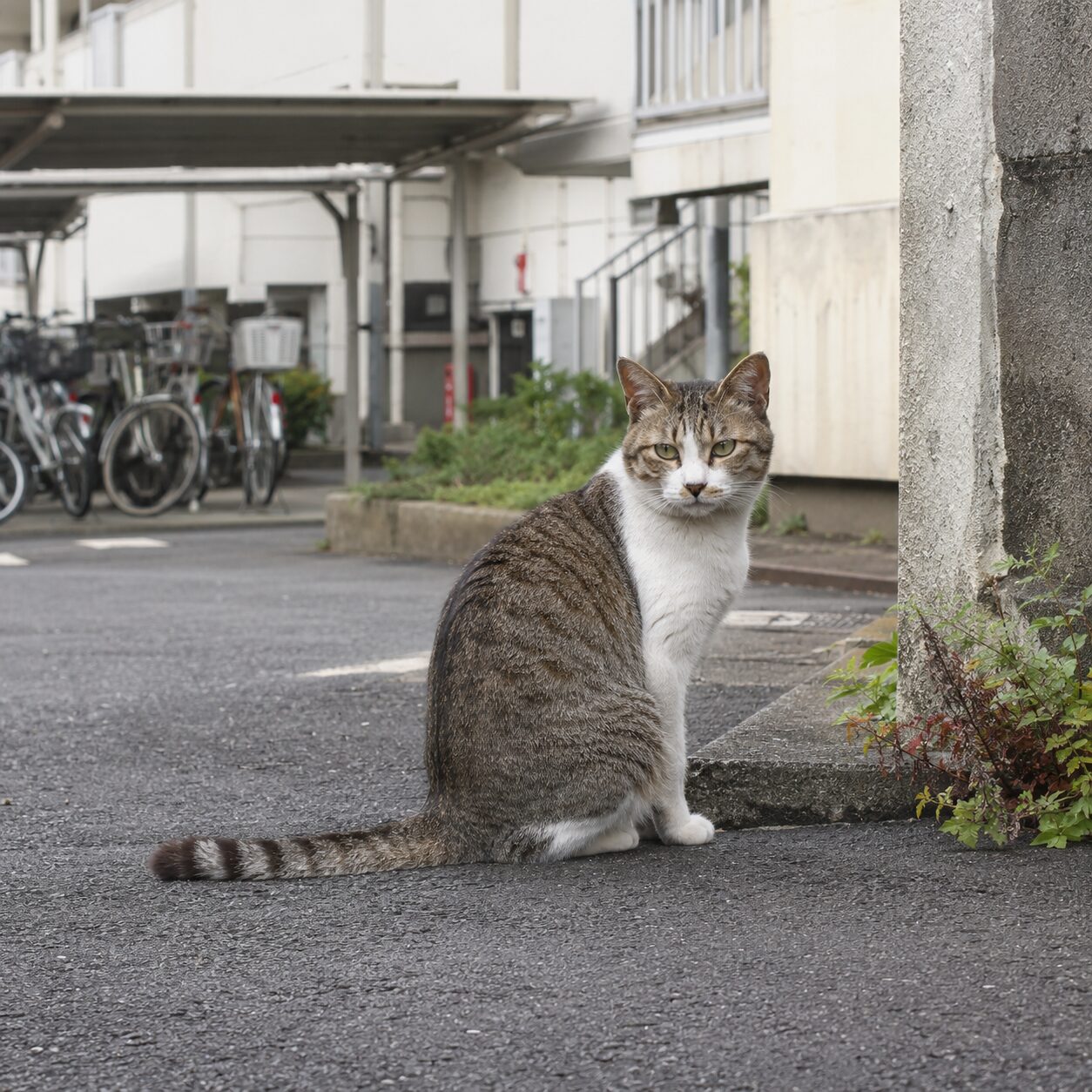
Japan has several islands with extremely rare native wildlife.
Feral domestic cats can become highly effective predators, particularly in ecosystems where native birds, reptiles and small mammals evolved without similar mammalian predators.
This is especially important on islands such as Amami Oshima and parts of Okinawa.
Feral cats have been known to prey on endangered and endemic wildlife, including species that exist nowhere else in the world.
For this reason, Japan has operated feral cat management programs in environmentally sensitive areas for years. These programs existed long before the controversy in 2026.
The objective is generally to protect vulnerable native species while also attempting to prevent more pet cats from becoming feral.
Does Japan kill feral cats?
Another misleading interpretation of the story is that Japan has suddenly decided to kill large numbers of cats.
Japan already has wildlife management programs involving feral cats in certain ecologically sensitive locations. However, capture does not automatically mean that every captured cat is killed.
For example, feral cats captured under conservation programs on some Japanese islands may be transferred away from sensitive wildlife habitat and efforts can be made to find adoptive homes for suitable animals.
The debate therefore involves two issues that can sometimes conflict:
- protecting endangered native wildlife from predation;
- protecting the welfare of domestic and feral cats.
Both issues are taken seriously in Japan, which is one reason the wording of the revised government list became so controversial.
What is the difference between a stray cat and a feral cat in Japan?
The English words “stray cat” and “feral cat” do not perfectly correspond to the terminology used in Japanese government policy.
Two Japanese expressions are particularly important.
Noraneko (stray cat)
A noraneko is generally a cat without a clearly identifiable owner that lives around residential areas or other places associated with people.
Such cats may receive food from residents and may be accustomed to human contact.
Noneko (feral cat)
A noneko generally refers to a domestic cat that has become wild and lives in the natural environment independently or largely independently of humans.
From a biological perspective, both are domestic cats — Felis catus. The distinction concerns how and where the animals live rather than a difference in species.
This distinction explains why changing the government listing from noneko to the much broader term ieneko became such a sensitive issue.
Why is the story suddenly attracting attention outside Japan?
The issue received relatively limited international attention while the policy discussion was taking place in Japan.
However, English-language reports about the controversy appeared in August 2026, describing how stray or feral cats had almost been classified more broadly as an invasive species before the change was reversed.
Once the story spread through English-language news sites and social media, people unfamiliar with the structure of Japanese environmental policy began searching phrases such as:
- Japan stray cat law change
- Japan stray cats invasive species
- Japan cat law 2026
- Did Japan ban stray cats?
- Is Japan killing stray cats?
The phrase “law change” is understandable as a search term, but it is not an accurate description of what actually occurred.
Can people capture stray cats because of the change?
No.
The 2026 debate does not give ordinary citizens a new nationwide right to capture, injure or kill cats.
Japan has separate laws and regulations concerning animal welfare, wildlife management, local government responsibilities and the treatment of animals.
A government invasive species policy list should therefore not be interpreted as permission for individuals to take action against cats on their own.
What happens next?
The Ministry of the Environment has been conducting a broader revision of Japan’s ecosystem damage prevention invasive species list.
The August 2026 expert meeting was part of the final stages of that process.
For cats, the government decided to retain the narrower wording referring to domesticated cats that have become feral rather than adopting the broader “domestic cat” terminology that had generated concern.
Nevertheless, the underlying issue has not disappeared.
Japan still faces a difficult question: how can it protect endangered wildlife from outdoor cats while also ensuring humane treatment of the cats themselves?
That debate is likely to continue, particularly on islands containing rare endemic wildlife.
Conclusion: Japan did not suddenly introduce a law against stray cats
If you came across claims that Japan changed its stray cat law in 2026, the most important point is that no such sweeping new law was introduced.
Japan was revising a government list intended to guide invasive species policy. During that process, officials considered changing the cat entry from a term referring specifically to feral cats to the broader biological term “domestic cat.”
That proposal sparked concern that ordinary stray and outdoor cats could be included.
The government subsequently changed course and decided to retain the existing wording referring specifically to feral domestic cats.
Therefore, claims such as “Japan has declared all stray cats invasive” or “Japan has passed a law allowing stray cats to be killed” are misleading.
The real story is more nuanced: Japan is trying to balance the protection of vulnerable native wildlife with animal welfare, and a proposed change in terminology became much more controversial than officials apparently anticipated.