July 26, 2026
Japan Luggage Express
Japan Luggage Express Ltd.
In which country does the sun never set?
Countries Where the Sun Never Sets
In Which Country Does the Sun Never Set?
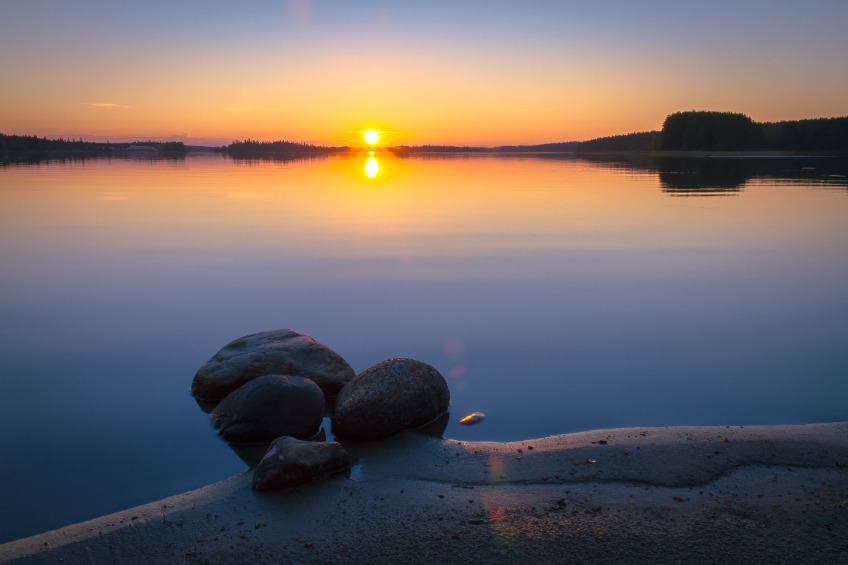
There is no country where the sun never sets all year round. However, in several countries near the Arctic Circle, the sun does not set for days, weeks, or even months during summer. This natural phenomenon is called the midnight sun or polar day.
During the midnight sun period, the sun remains above the horizon even at midnight. Instead of becoming dark at night, the sky stays bright, golden, or twilight-like. For people who live in lower-latitude countries, this can feel almost unreal.
The midnight sun can be experienced in northern parts of countries such as Norway, Finland, Sweden, Russia, Canada, the United States, Greenland, and Iceland. The exact dates depend on how far north the place is. The closer a location is to the North Pole, the longer the period of continuous daylight lasts.
Quick Answer: Where Does the Sun Never Set?
| Country or Region | Example Place | When the Sun Does Not Set |
|---|---|---|
| Norway | Svalbard, North Cape, Tromsø | From several weeks to several months in summer |
| Finland | Utsjoki, Finnish Lapland | From around May to July in the far north |
| Sweden | Kiruna, Abisko, Swedish Lapland | From late May to mid-July in northern areas |
| Russia | Dikson, Murmansk, Arctic Russia | From weeks to months, depending on latitude |
| United States | Utqiaġvik, Alaska | About 80 days in summer |
| Canada | Nunavut and other Arctic regions | Several weeks or months in summer |
| Greenland | Ilulissat, Qaanaaq, North Greenland | From early summer to late summer in northern areas |
| Iceland | Grímsey and northern Iceland | Around the summer solstice; many areas have very bright nights |
Why Does the Sun Never Set in Some Places?
The midnight sun happens because the Earth is tilted on its axis. During summer in the Northern Hemisphere, the North Pole is tilted toward the sun. As a result, areas above or near the Arctic Circle can receive sunlight for 24 hours a day.
This does not mean the sun stays high in the sky all night. In many places, it moves low along the horizon around midnight and then rises again without fully setting. The result is a long, soft, glowing light that can make midnight look like evening or early morning.
The opposite happens in winter. When the North Pole is tilted away from the sun, some Arctic regions experience days or weeks when the sun does not rise. This is called the polar night.
Norway: The Land of the Midnight Sun
Norway is the country most strongly associated with the midnight sun. Northern Norway is often called the Land of the Midnight Sun because many places above the Arctic Circle experience 24-hour daylight during summer.
The further north you travel in Norway, the longer the midnight sun lasts. In Tromsø, the sun remains above the horizon for weeks. At the North Cape, one of Europe’s most famous northern viewpoints, visitors can see the sun shining late at night over the sea.
One of the best-known places for the midnight sun is Longyearbyen in Svalbard. Svalbard is far north of mainland Norway, and in summer the sun does not set for several months. This makes it one of the most dramatic places in the world to experience continuous daylight.
Longyearbyen is also famous for its Arctic lifestyle. It has extreme seasons, a small but international community, and a landscape where glaciers, mountains, and polar bears are part of daily awareness. Visitors should remember that polar bears are dangerous wild animals. Outside the settlement, it is important to travel with proper safety equipment and experienced local guides.
Finland: Midnight Sun in Finnish Lapland
Finland is another excellent country for experiencing the midnight sun. The phenomenon is especially strong in Finnish Lapland, the northernmost part of the country.
In northern towns such as Utsjoki, the sun can stay above the horizon for more than two months during summer. Even farther south in Lapland, the nights remain very bright around June and July. This gives Finland a very special summer atmosphere.
Many people in Finland enjoy outdoor activities late into the evening during this season. Hiking, fishing, lake activities, festivals, and photography are popular because there is no rush to finish before dark.
Finnish Lapland is also famous for winter tourism. In the colder months, visitors come for snow, reindeer, skiing, and the northern lights. This contrast between bright summer nights and dark winter skies is one of the most fascinating features of life in the far north.
Sweden: Midnight Sun in Swedish Lapland
Sweden also has areas where the sun does not set in summer. The best places are in Swedish Lapland, especially around Kiruna, Abisko, and other areas north of the Arctic Circle.
In Kiruna, Sweden’s northernmost city, the midnight sun can be experienced from late May to mid-July. Abisko is also a popular place for nature lovers because of its mountains, hiking trails, and clear Arctic landscapes.
Like Norway and Finland, Sweden has a strong seasonal contrast. Summer brings continuous daylight in the far north, while winter brings long nights and opportunities to see the northern lights.
Russia: Arctic Towns Where the Sun Does Not Set
Russia has a vast Arctic region, so several towns and cities experience the midnight sun. One well-known example is Murmansk, one of the largest cities north of the Arctic Circle.
Another extreme example is Dikson, a remote settlement in northern Russia. Because it is located very far north, Dikson experiences a long period of polar day in summer, when the sun does not set at all.
Russia’s Arctic regions are not as commonly visited by tourists as Norway or Finland, but they show how widespread the midnight sun phenomenon is across the far north.
Alaska: The Midnight Sun in the United States
In the United States, the midnight sun can be experienced in northern Alaska. The most famous example is Utqiaġvik, formerly known as Barrow.
Utqiaġvik is the northernmost city in the United States. In summer, the sun stays above the horizon for roughly 80 days. This means residents can experience more than two months without a sunset.
In winter, the opposite occurs. Utqiaġvik has a polar night period when the sun does not rise for weeks. This makes the seasonal rhythm of life very different from most parts of the United States.
Alaska is also a spectacular summer destination because of its mountains, glaciers, tundra, wildlife, and long daylight hours. Even in places where the sun technically sets, summer nights can remain bright for a long time.
Canada: Nunavut and the Arctic North
Canada also has large Arctic regions where the sun does not set during parts of the summer. This includes areas in Nunavut, the Northwest Territories, and Yukon.
Nunavut is especially well known for Arctic landscapes, Inuit culture, wildlife, and extreme seasonal light. In some communities, summer brings continuous daylight, while winter brings long periods of darkness.
For travelers, Canada’s Arctic offers a very different experience from the more accessible Nordic destinations. It is remote, vast, and closely connected to Indigenous cultures and Arctic nature.
Greenland: Endless Daylight and Icebergs
Greenland is one of the most dramatic places to experience the midnight sun. Greenland is an autonomous territory within the Kingdom of Denmark, and much of it lies far north.
In northern Greenland, the midnight sun can last from late spring to late summer. In places such as Ilulissat, visitors can see icebergs glowing under the soft light of the midnight sun.
The combination of continuous daylight, ice, sea, and Arctic landscapes makes Greenland one of the most visually impressive midnight sun destinations in the world.
Iceland: Does the Sun Never Set There?
Iceland is often included in lists of places where the sun never sets, but it needs a careful explanation.
Most of Iceland is just south of the Arctic Circle. This means the sun may technically dip below the horizon in many places, especially in Reykjavík. However, around the summer solstice in June, the nights remain extremely bright and there is little or no true darkness.
The best place in Iceland for a true Arctic Circle experience is Grímsey, a small island off the north coast. Northern Iceland, including areas around Akureyri, also has very long and bright summer nights.
So, while Iceland is not the most extreme midnight sun destination compared with Svalbard or northern Greenland, it is still one of the easiest and most beautiful places to experience near-24-hour daylight.
Is It Daylight for the Whole Country?
No. This is an important point. When people say “the sun never sets in Norway” or “the sun never sets in Finland,” they usually mean the northern part of the country, not the entire country.
For example, southern Norway, southern Finland, southern Sweden, and most parts of Canada and Russia still have normal sunsets in summer. The midnight sun occurs only in high-latitude areas, especially above the Arctic Circle.
The same is true for Alaska. The midnight sun is experienced in far northern Alaska, not across the whole United States.
What Is It Like to Live Where the Sun Never Sets?
Living with the midnight sun can be exciting, but it can also feel strange. Many people enjoy the extra daylight because it gives them more time for outdoor activities. It is common to see people hiking, fishing, walking, or socializing late at night.
However, continuous daylight can affect sleep. Visitors may find it hard to feel tired when the sky is still bright at midnight. Hotels in northern regions often use blackout curtains to help guests sleep.
For local residents, the midnight sun is part of the natural rhythm of the year. The bright summer is often balanced by a dark winter, when the sun may barely rise or may not rise at all for a period of time.
Best Time to See the Midnight Sun
The best time to see the midnight sun in the Northern Hemisphere is usually from late May to late July. The exact timing depends on the destination.
For the strongest experience, travel as far north as possible and plan your trip around the summer solstice, which occurs around June 20 or 21. This is when the Northern Hemisphere receives its longest period of daylight.
Places such as Svalbard, northern Norway, Finnish Lapland, Swedish Lapland, northern Alaska, Nunavut, and Greenland are among the best destinations for seeing the midnight sun.
Conclusion
The sun never sets in certain parts of the world during summer, but not in an entire country all year round. This phenomenon is called the midnight sun or polar day.
Countries and regions where you can experience it include Norway, Finland, Sweden, Russia, the United States through Alaska, Canada, Greenland, and parts of Iceland. The farther north you go, the longer the sun stays above the horizon.
For travelers, seeing the sun shining at midnight can be unforgettable. It changes the way you feel time, light, and nature. Whether you experience it in Norway, Finland, Alaska, Greenland, or another Arctic region, the midnight sun is one of the most remarkable natural phenomena on Earth.