September 7, 2026
Japan Luggage Express

Japan Luggage Express Ltd.
What Do Sumo Wrestlers Eat?
What Do Sumo Wrestlers Eat?
A Look Inside the Traditional Diet of Japan’s Giant Athletes
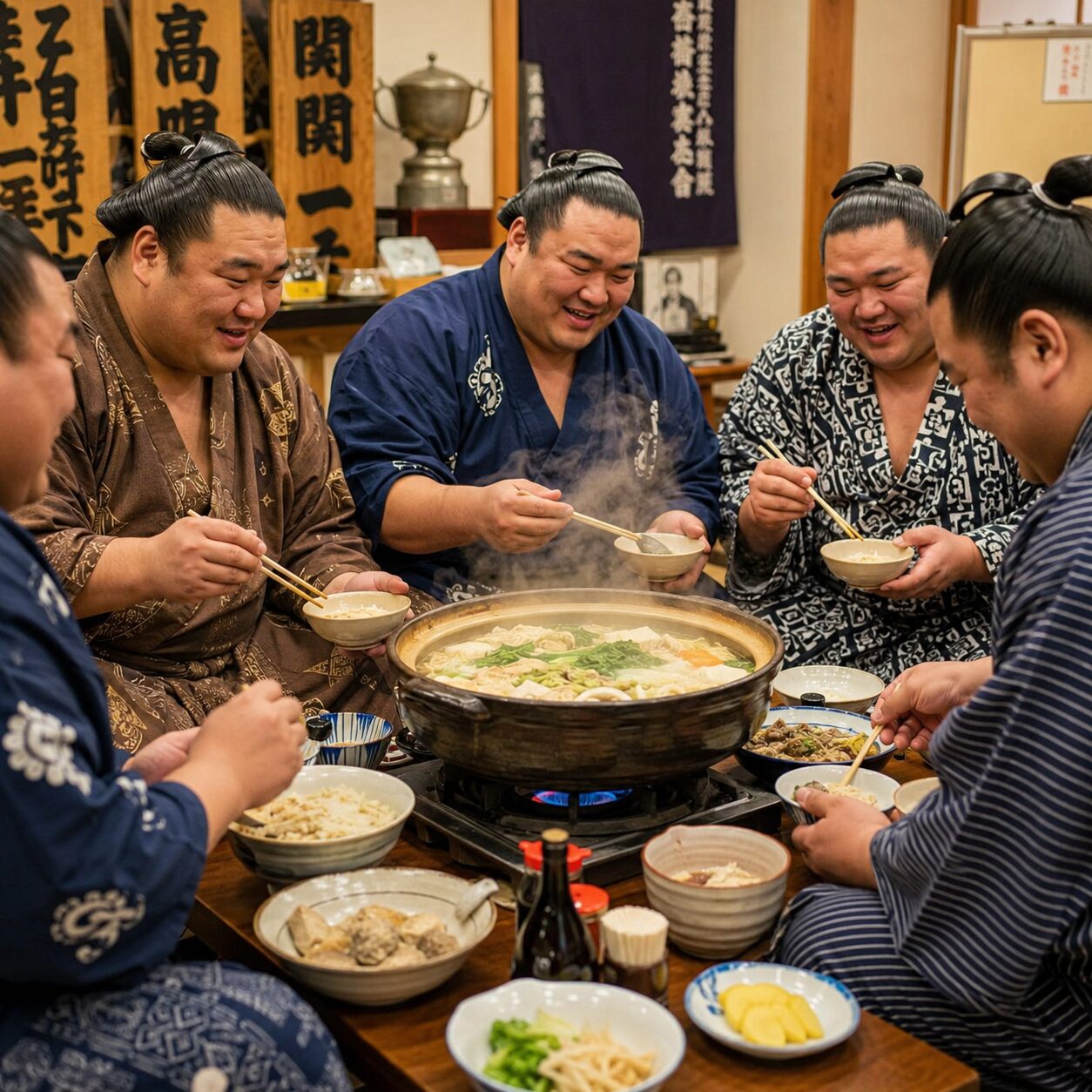
When people see sumo wrestlers for the first time, one of the first questions that often comes to mind is: what do sumo wrestlers eat? Their large bodies are part of the sport’s image, but their diet is not simply about eating as much as possible. Professional sumo wrestlers follow a unique food culture shaped by tradition, intense training, communal living, and the need to build both strength and body mass.
At the center of the sumo diet is a famous dish called chanko nabe, a hearty hot pot packed with protein, vegetables, and broth. But sumo wrestlers eat more than just chanko nabe. Their meals, timing, and lifestyle all play a role in helping them become powerful competitors in the ring.
The Main Food of Sumo Wrestlers: Chanko Nabe
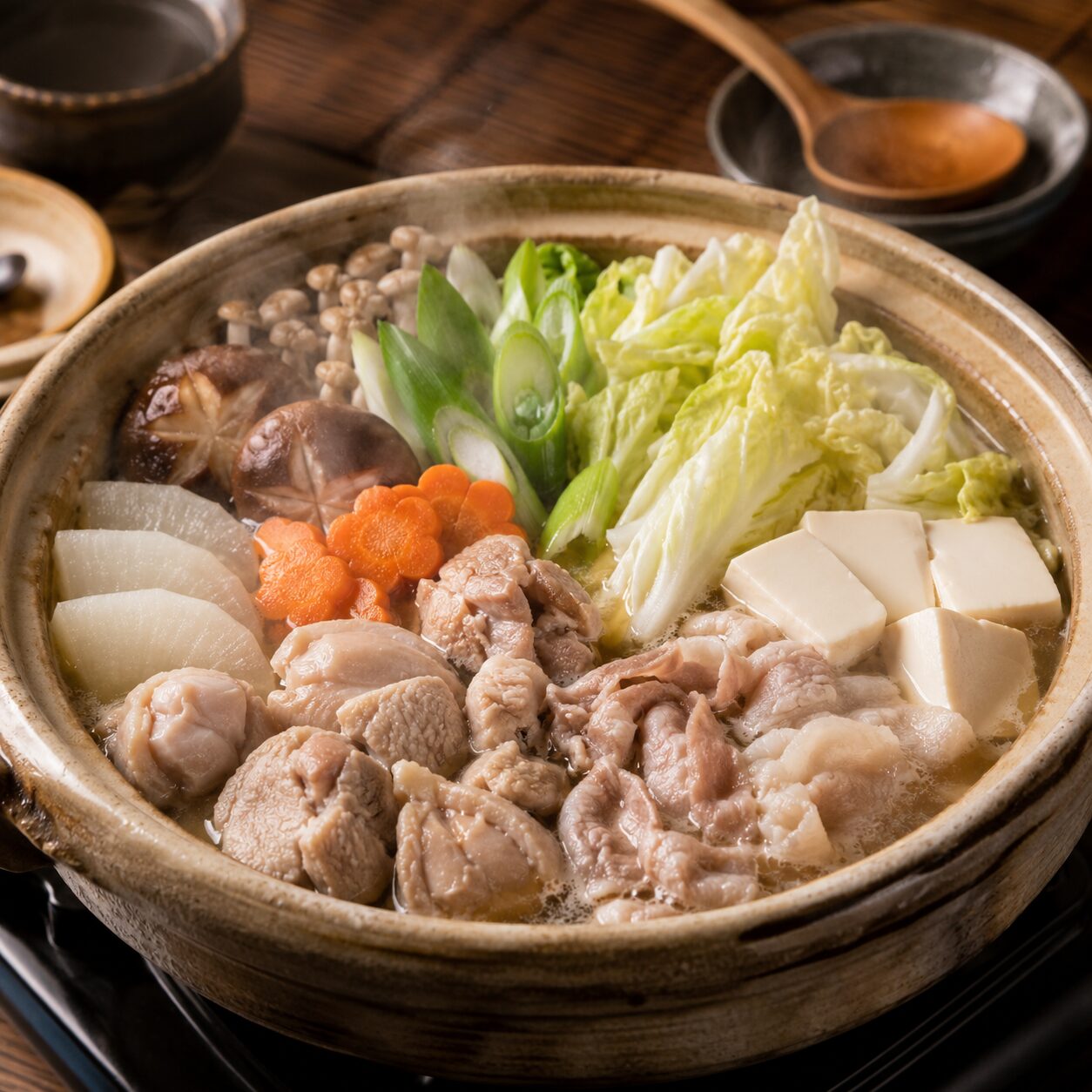
The most famous sumo food is chanko nabe. In Japanese, nabe means hot pot, and chanko refers broadly to food prepared for sumo wrestlers. Today, the term is strongly associated with the hot pot dish eaten in sumo stables.
Chanko nabe is not one fixed recipe. It can be made in many ways, depending on the stable, season, ingredients, and cook. A typical chanko nabe may include:
- Chicken
- Fish
- Pork
- Beef
- Tofu
- Cabbage
- Green onions
- Mushrooms
- Carrots
- Daikon radish
- Noodles
- Rice
- Miso, soy sauce, or salt-based broth
The dish is nutritious because it combines protein, vegetables, and carbohydrates in one meal. It is also practical because it can be cooked in a large pot and shared by many wrestlers.
Why Chanko Nabe Is Perfect for Sumo Wrestlers
Chanko nabe is ideal for sumo wrestlers for several reasons.
First, it provides a large amount of protein, which is important for building and repairing muscles. Sumo wrestlers train intensely, so their bodies need protein from meat, fish, tofu, and other ingredients.
Second, it includes plenty of vegetables, making it more balanced than many people might imagine. Cabbage, mushrooms, onions, and root vegetables add vitamins, minerals, and fiber.
Third, the dish is easy to adjust. A lighter version can be made with chicken and vegetables, while a heavier version can include more meat, noodles, and rice. This flexibility makes it suitable for wrestlers of different sizes and training needs.
Finally, chanko nabe reflects the communal life of sumo. Wrestlers often eat together in the stable, and meals are part of the daily rhythm of sumo training.
Do Sumo Wrestlers Eat a Lot of Rice?
Yes, rice is an important part of the sumo diet. After eating chanko nabe, wrestlers often eat large amounts of rice to increase their calorie intake. Rice provides carbohydrates, which help replenish energy after long hours of training.
A sumo wrestler’s meal may include several bowls of rice, especially for younger wrestlers trying to gain weight. In some cases, noodles may also be added to the hot pot, or eaten afterward in the broth.
The combination of chanko nabe and rice makes the meal filling, high in calories, and suitable for building body mass.
Do Sumo Wrestlers Eat Breakfast?
Interestingly, many sumo wrestlers traditionally do not eat breakfast before morning training. Their day often begins early with intense practice. After training, they eat a large meal, usually around late morning or midday.
This schedule can help wrestlers consume a very large meal after exercise. After eating, many wrestlers rest or take a nap. This routine may support weight gain because the body stores energy more easily when large meals are followed by rest.
A traditional daily pattern may look like this:
- Morning: Training
- Late morning or midday: Large meal
- Afternoon: Rest or nap
- Evening: Another large meal
This lifestyle is very different from the eating habits of most people, but it has developed around the demands of professional sumo.
What Else Do Sumo Wrestlers Eat?
Although chanko nabe is the best-known dish, sumo wrestlers may eat many other foods. Their meals can include:
- Grilled fish
- Fried chicken
- Curry rice
- Sashimi
- Tonkatsu
- Eggs
- Pickles
- Miso soup
- Udon or ramen
- Fruit
- Desserts
The diet varies depending on the stable and the wrestler. Some meals are traditional Japanese dishes, while others may include Western-style foods. The main goal is to provide enough energy for training and enough nutrition to maintain a large, strong body.
Who Cooks the Food in a Sumo Stable?
In a sumo stable, younger wrestlers often help prepare meals. Cooking is part of stable life and discipline. Wrestlers learn how to cut vegetables, prepare broth, cook rice, and serve senior wrestlers.
There is a strict hierarchy in sumo. Senior wrestlers usually eat first, while junior wrestlers eat later. This system reflects the traditional order of life inside the stable.
For young wrestlers, cooking chanko is not only a daily chore. It is also a way to learn teamwork, patience, and responsibility. Some retired sumo wrestlers even open chanko nabe restaurants after leaving the sport.
Is the Sumo Diet Healthy?
The answer is not simple. Chanko nabe itself can be quite nutritious. It contains protein, vegetables, and broth, and it can be made in a balanced way. In that sense, the basic dish is not unhealthy.
However, professional sumo wrestlers often eat very large portions, add a lot of rice, and follow a lifestyle designed to increase body weight. This can create health risks, especially after retirement if the wrestler does not reduce food intake and change daily habits.
During their active careers, sumo wrestlers are extremely strong and train hard. But maintaining such a large body can place stress on the heart, joints, blood pressure, and metabolism. That is why many retired wrestlers try to lose weight after leaving the ring.
Do All Sumo Wrestlers Eat the Same Amount?
No. Not all sumo wrestlers eat the same amount. A beginner trying to gain weight may eat much more than a senior wrestler who is already large. Some wrestlers are naturally bigger, while others must work hard to increase their body mass.
Diet also depends on fighting style. Some wrestlers rely heavily on size and pushing power, while others use speed, balance, and technique. Although size is important in sumo, weight alone does not guarantee success. Strength, timing, flexibility, and skill are also essential.
Why Are Sumo Wrestlers So Big?
Sumo wrestlers are big because size can be an advantage in the ring. A heavier wrestler can be harder to push out or lift. However, sumo is not simply a contest of body weight. Wrestlers must also be explosive, balanced, flexible, and technically skilled.
Their bodies are built through a combination of:
- Intense training
- Large meals
- High-calorie food
- Rest after eating
- Years of disciplined stable life
The sumo body is the result of a very specific athletic lifestyle.
Can Ordinary People Eat Chanko Nabe?
Yes. Chanko nabe is popular among ordinary people in Japan, too. In fact, it can be a healthy home meal when eaten in normal portions. Because it includes vegetables, protein, and warm broth, it is especially popular in colder seasons.
For people who are not sumo wrestlers, the key is portion size. A bowl of chanko nabe with vegetables, tofu, chicken, and mushrooms can be a nutritious meal. The problem comes only when it is eaten in extremely large amounts with many bowls of rice and other high-calorie foods.
Conclusion: Sumo Food Is More Than Just Eating Big
So, what do sumo wrestlers eat? The most famous answer is chanko nabe, a traditional hot pot filled with meat, fish, tofu, vegetables, and broth. They also eat rice, noodles, fish, meat dishes, and other high-energy foods to support their training and build body mass.
But the sumo diet is not just about eating huge portions. It is part of a larger culture of discipline, hierarchy, training, and communal living. Chanko nabe is both fuel for athletes and a symbol of life inside the sumo stable.
For sumo wrestlers, food is not only nourishment. It is training, tradition, teamwork, and a vital part of one of Japan’s most distinctive sports.