June 10, 2026
Japan Luggage Express
Japan Luggage Express Ltd.
Japan World Cup 2026 Squad
Japan World Cup 2026 Squad
Full Samurai Blue Roster, Shirt Numbers, Clubs and Key Players
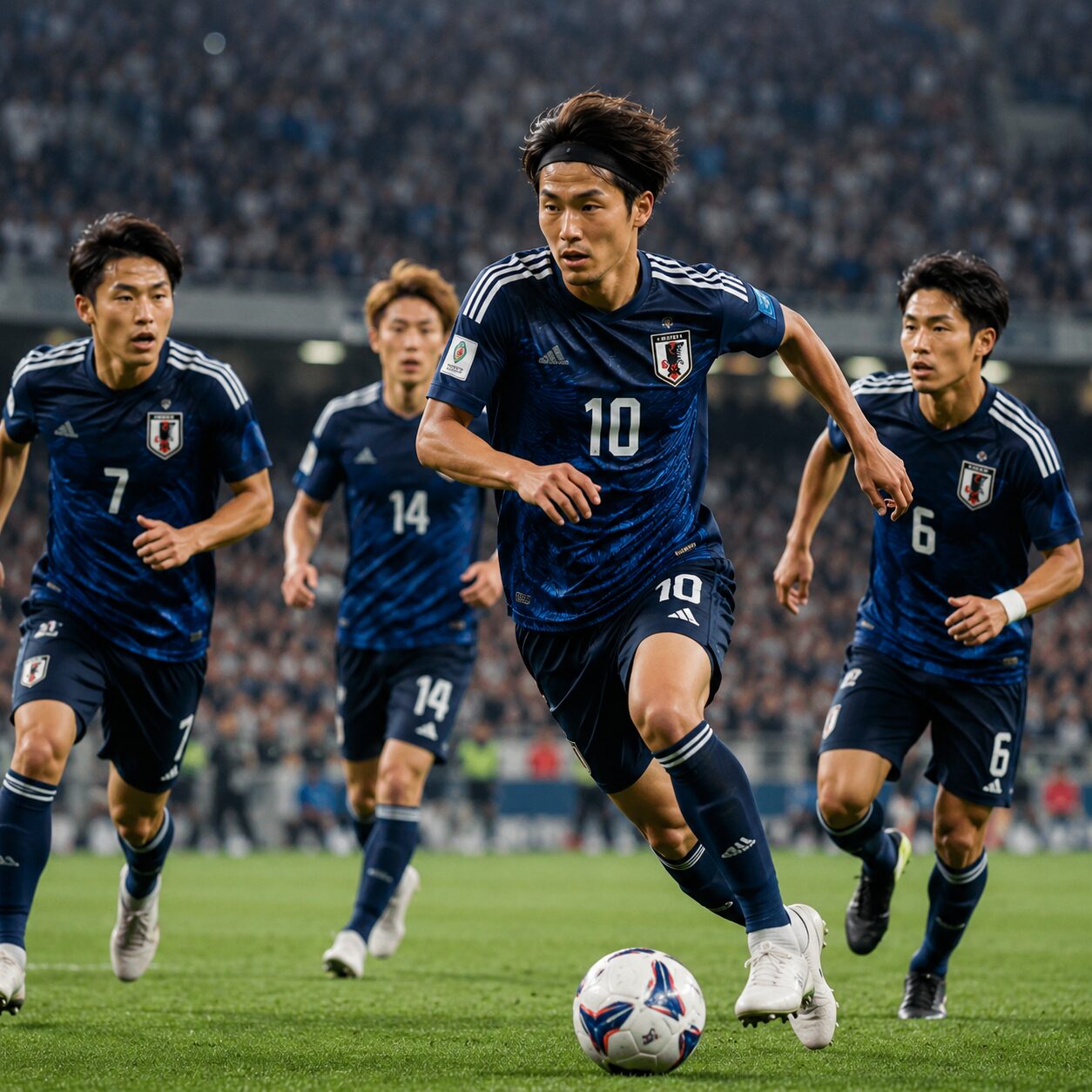
Japan enter the 2026 FIFA World Cup as one of the most intriguing teams from Asia. The national team, widely known as the Samurai Blue, have become a regular presence on the World Cup stage and will be appearing in their eighth consecutive tournament.
For many international football fans, Japan are no longer seen simply as a disciplined and hard-working Asian side. The current generation includes players competing at well-known European clubs such as Real Sociedad, Eintracht Frankfurt, Crystal Palace, Feyenoord, Ajax, Parma, Bayern Munich, Borussia Mönchengladbach and others.
That makes Japan one of the most internationally experienced squads in Asian football. The team combines speed, technical quality, tactical discipline and a strong collective mentality.
At the 2026 World Cup, Japan have been drawn in Group F alongside the Netherlands, Tunisia and Sweden. It is a demanding group, featuring a European powerhouse, a defensively organized North African side and a physically strong Scandinavian team.
However, Japan suffered a major blow shortly before the tournament. Captain Wataru Endo was forced to withdraw from the squad because of injury and also announced his retirement from international football. His place in the squad has been taken by Shuto Machino, while Ko Itakura has been named Japan’s new captain.
This updated guide looks at the Japan World Cup 2026 squad, including shirt numbers, positions, clubs, international appearances and goals. It also explains the key players, the impact of Endo’s absence, Japan’s strengths and weaknesses, and their Group F schedule.
Note: international caps and goals are based on publicly available figures before the tournament. These numbers may change during the World Cup.
Japan World Cup 2026 Squad List
Japan’s 2026 World Cup squad consists of 26 players. One of the most striking features of the team is the number of players based in Europe. Only a small number of squad members play in Japan’s domestic J.League.
The original squad included Wataru Endo, but the Liverpool midfielder has withdrawn because of injury. Borussia Mönchengladbach forward Shuto Machino has been called up as his replacement.
| No. | Player | Position | Club | Caps | Goals |
|---|---|---|---|---|---|
| 1 | Zion Suzuki | Goalkeeper | Parma Calcio / Italy | 23 | 0 |
| 12 | Keisuke Osako | Goalkeeper | Sanfrecce Hiroshima / Japan | 11 | 0 |
| 23 | Tomoki Hayakawa | Goalkeeper | Kashima Antlers / Japan | 3 | 0 |
| 2 | Yukinari Sugawara | Defender | Werder Bremen / Germany | 20 | 6 |
| 3 | Shogo Taniguchi | Defender | Sint-Truidense VV / Belgium | 37 | 1 |
| 4 | Ko Itakura | Defender | Ajax / Netherlands | 39 | 2 |
| 5 | Yuto Nagatomo | Defender | FC Tokyo / Japan | 144 | 4 |
| 16 | Tsuyoshi Watanabe | Defender | Feyenoord / Netherlands | 10 | 0 |
| 20 | Ayumu Seko | Defender | Le Havre AC / France | 13 | 0 |
| 21 | Hiroki Ito | Defender | Bayern Munich / Germany | 23 | 1 |
| 22 | Takehiro Tomiyasu | Defender | Ajax / Netherlands | 42 | 1 |
| 25 | Junnosuke Suzuki | Defender | FC Copenhagen / Denmark | 6 | 0 |
| 7 | Ao Tanaka | Midfielder | Leeds United / England | 37 | 8 |
| 8 | Takefusa Kubo | Midfielder/Forward | Real Sociedad / Spain | 48 | 7 |
| 10 | Ritsu Doan | Midfielder/Forward | Eintracht Frankfurt / Germany | 64 | 11 |
| 11 | Daizen Maeda | Forward | Celtic / Scotland | 27 | 4 |
| 13 | Keito Nakamura | Midfielder/Forward | Stade de Reims / France | 24 | 10 |
| 14 | Junya Ito | Midfielder/Forward | KRC Genk / Belgium | 68 | 15 |
| 15 | Daichi Kamada | Midfielder | Crystal Palace / England | 49 | 12 |
| 17 | Yuito Suzuki | Midfielder/Forward | SC Freiburg / Germany | 6 | 0 |
| 18 | Ayase Ueda | Forward | Feyenoord / Netherlands | 38 | 16 |
| 19 | Koki Ogawa | Forward | NEC Nijmegen / Netherlands | 14 | 10 |
| 24 | Kaishu Sano | Midfielder | Mainz 05 / Germany | 12 | 0 |
| 26 | Kento Shiogai | Forward | VfL Wolfsburg / Germany | 1 | 0 |
| 9 | Keisuke Goto | Forward | Sint-Truidense VV / Belgium | 3 | 0 |
| To be confirmed | Shuto Machino | Forward | Borussia Mönchengladbach / Germany | — | — |
Who Is Japan’s Head Coach?
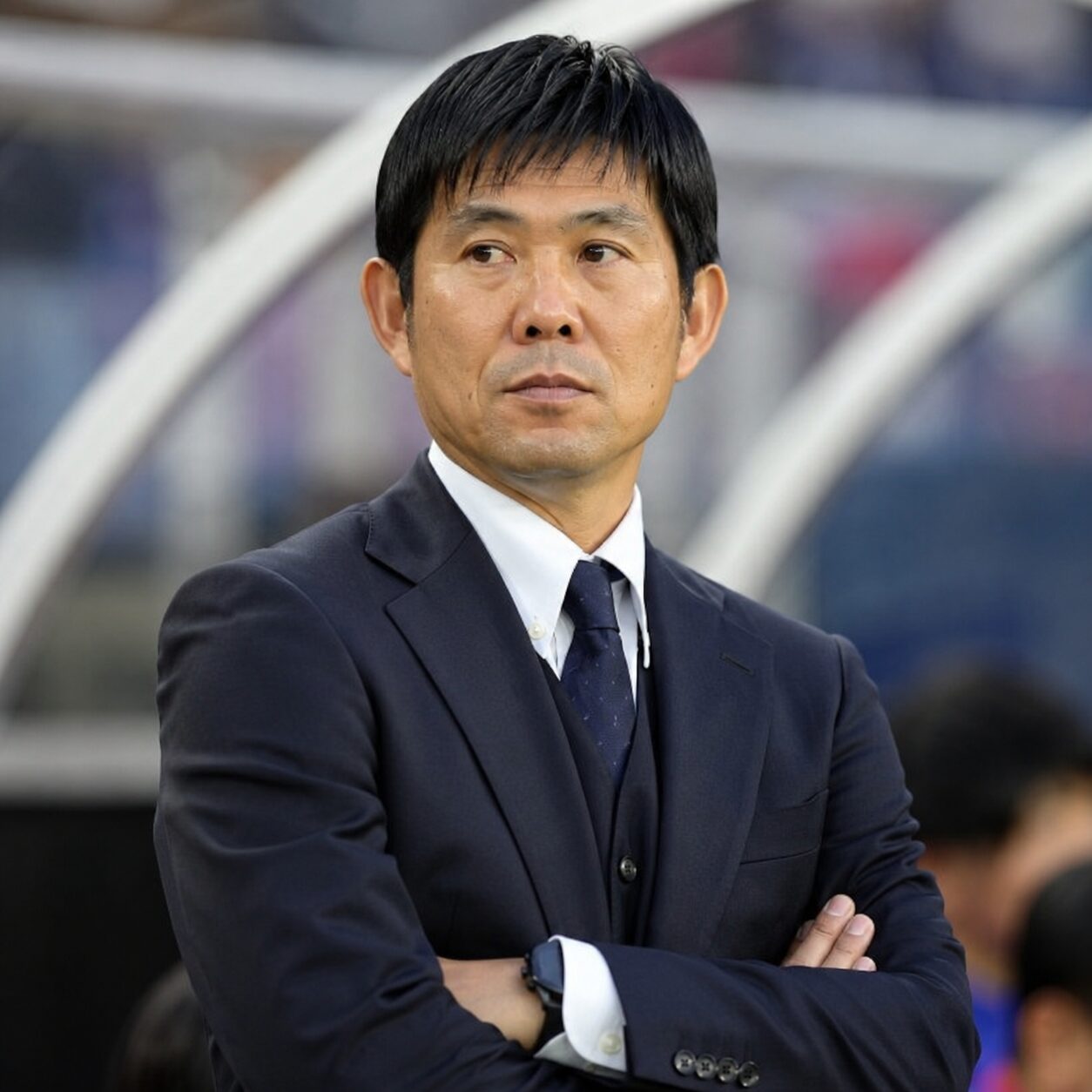
Japan are managed by Hajime Moriyasu, the same coach who led the team at the 2022 World Cup in Qatar.
Moriyasu is one of the most important figures in modern Japanese football. As a player, he belonged to the generation that helped Japan grow on the international stage. As a coach, he is known for his calm personality, tactical flexibility and trust in players who can perform multiple roles.
At the 2022 World Cup, Japan produced famous victories over Germany and Spain under Moriyasu. Japan topped their group before losing to Croatia on penalties in the round of 16.
For the 2026 World Cup, the target is clear: Japan want to reach the quarterfinals for the first time in their history.
Endo’s withdrawal makes that challenge significantly harder. Moriyasu must now adjust the midfield and rebuild the leadership structure of the team just before the tournament begins.
Ko Itakura Becomes Japan’s New Captain
Following Wataru Endo’s injury withdrawal, Ko Itakura has been named Japan’s new captain.
Itakura plays for Ajax and is a defender with physical strength, composure on the ball and strong game-reading ability. He can be important not only as a centre-back, but also as the organizer of Japan’s defensive line.
The timing of the captaincy change is extremely delicate. Japan open the tournament against the Netherlands, a team with technical quality, attacking power and the ability to put heavy pressure on midfield areas.
Itakura now has a double responsibility. He must perform his defensive duties while also helping Japan stay mentally united after losing their original captain.
Key Japan Players at the 2026 World Cup
Takefusa Kubo: Japan’s Creative Star
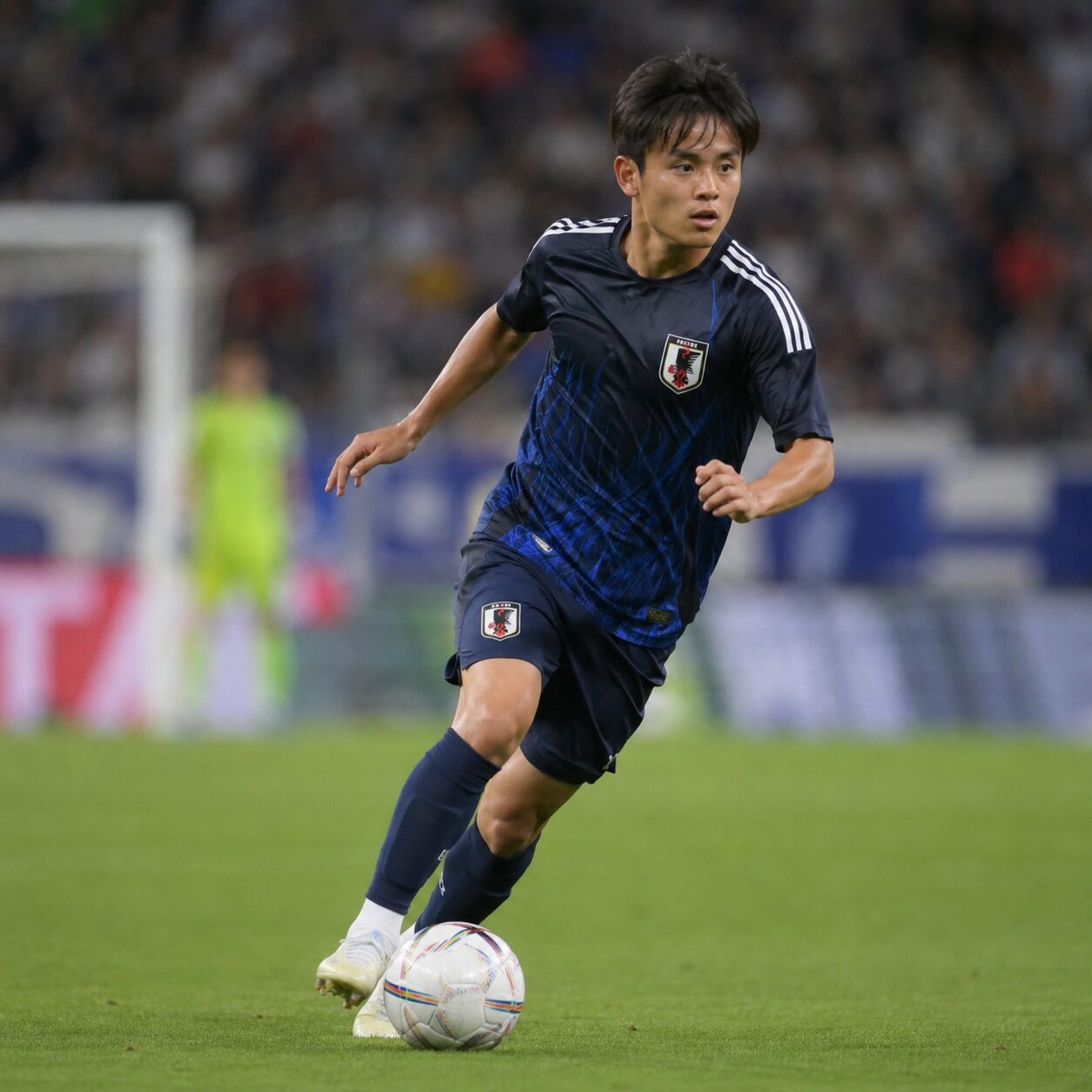
Takefusa Kubo is one of the best-known Japanese players among international football fans, especially because of his career in Spain.
The Real Sociedad player is technically gifted, quick in tight spaces and dangerous with his left foot. He can play from the right, as an attacking midfielder or in a freer role between the lines.
Kubo is not only a dribbler. He can change the rhythm of an attack, attract defenders and create space for his teammates. Against physically strong opponents such as the Netherlands and Sweden, his creativity could be vital.
Without Endo, Kubo’s role may become even more important. Japan have lost experience and control in midfield, meaning their creative players must make the most of every attacking opportunity.
Ritsu Doan: A Player for Big Moments
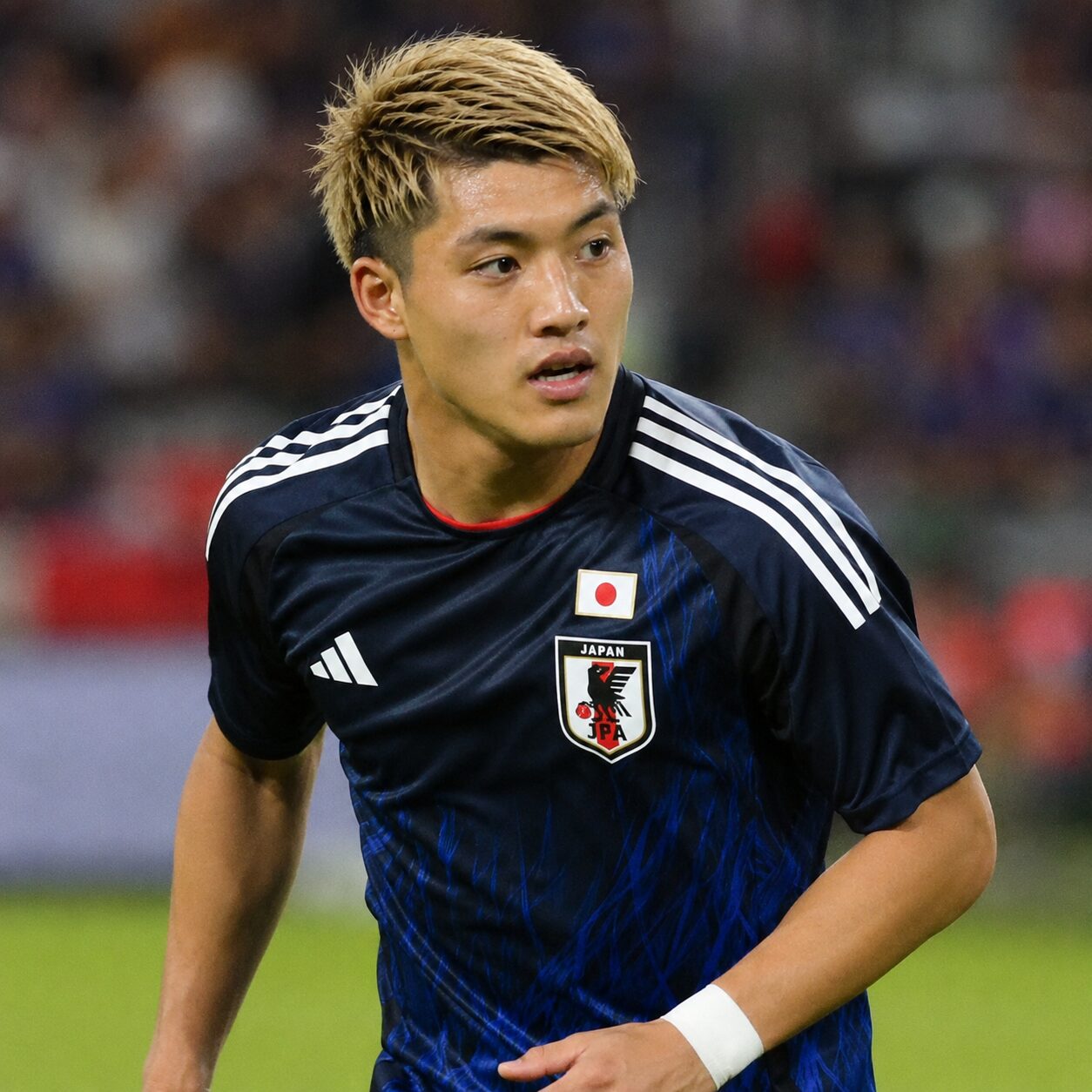
Ritsu Doan already made his mark at the 2022 World Cup by scoring against Germany and Spain.
Doan is a left-footed attacker who often starts from the right before moving inside. His left-footed shooting, defensive work rate and competitive mentality make him an important player in Moriyasu’s system.
At the 2026 World Cup, he wears the number 10 shirt, a sign of his growing responsibility within the team.
Now that Endo is unavailable, Japan need even more players who can take responsibility in difficult moments. Doan has already shown that he can deliver on the biggest stage.
Daichi Kamada: Intelligence Between the Lines
Daichi Kamada is a technically gifted midfielder who plays for Crystal Palace.
He is not a player who depends only on speed. His strengths are his reading of the game, body positioning, support play between the lines and quick combinations.
Kamada can receive the ball in tight spaces and connect midfield with attack. In closed matches, his intelligence can be just as valuable as a spectacular individual action.
After Endo’s withdrawal, Kamada may become essential in helping Japan slow the game down and keep possession under pressure. Japan will need players who can protect the ball when opponents press aggressively.
Ayase Ueda: Japan’s Main Centre-Forward Option
Ayase Ueda is one of Japan’s most important centre-forward options.
The Feyenoord striker has experience in Dutch football and is known for his movement inside the penalty area, quick finishing and ability to find spaces between defenders.
Japan have long been known for technical midfielders and fast wide players, but at the World Cup, finishing chances is often the difference between progress and elimination. If Ueda is clinical in front of goal, Japan’s chances will improve.
With Shuto Machino now added to the squad, competition in the forward line has increased. Ueda remains an important candidate for a central attacking role, but Moriyasu now has more options to change games from the bench.
Koki Ogawa: Another Goal Threat
Koki Ogawa offers a different type of attacking option.
The NEC Nijmegen forward has shown a strong scoring record for Japan in relation to the number of caps he has earned. He brings presence in the penalty area, aerial ability and a more traditional striker profile.
In matches where Japan need a late goal, Ogawa could become a very useful option.
Shuto Machino: An Emergency Addition to the Squad
Shuto Machino was called into Japan’s World Cup squad after Wataru Endo withdrew through injury.
Machino plays for Borussia Mönchengladbach in Germany. He is a forward with height, physical presence and finishing ability inside the box. His arrival changes the balance of the squad: Japan lose an experienced defensive midfielder, but gain another attacking option.
That does not mean Machino will automatically become a starter. His role may be especially useful in matches where Japan need a goal, or when Moriyasu wants more physical presence in the penalty area.
For Japan, this is a striking change. The team lose control and leadership in midfield, but gain more power in attack. At certain moments, Japan may play more directly, especially late in games.
Zion Suzuki: A Goalkeeper with European Experience
Zion Suzuki is one of the leading candidates to start in goal for Japan.
He plays for Parma in Italy and has gained experience in a competitive European environment. Suzuki is tall, athletic and has strong reflexes. He is also expected to contribute to Japan’s build-up play from the back.
At a World Cup, goalkeepers can decide matches. Against opponents such as the Netherlands and Sweden, Japan may have long defensive spells, and Suzuki’s saves could become decisive.
Without Endo protecting the space in front of the defense, the pressure on Japan’s defensive block and goalkeeper may increase. Suzuki will need to provide not only saves, but also calmness in possession.
Takehiro Tomiyasu: Defensive Quality and Versatility
Takehiro Tomiyasu is one of Japan’s highest-quality defenders.
He can play as a centre-back or full-back, combining defensive intelligence, physical strength and composure on the ball. His versatility gives Moriyasu several tactical options.
If he is fit and sharp, Tomiyasu can be essential against strong and fast attackers, especially in matches against Sweden and the Netherlands.
Alongside Ko Itakura, Tomiyasu could play a decisive role in Japan’s defensive stability. Now that Endo is no longer available in front of the back line, defensive organization becomes even more important.
Wataru Endo Is Out: A Huge Blow for Japan
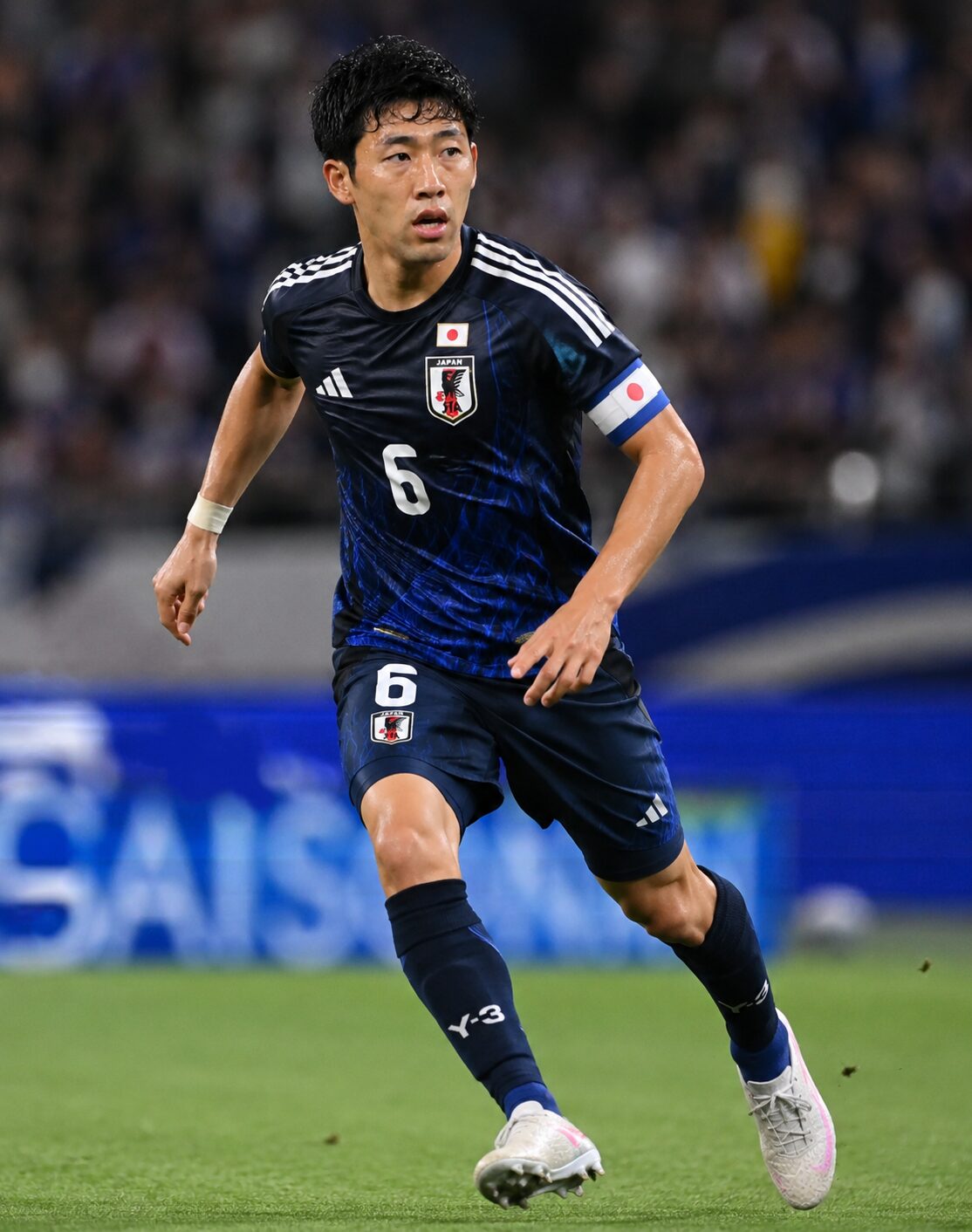
Wataru Endo was originally one of the most important players in Japan’s World Cup squad. The Liverpool midfielder was Japan’s captain, defensive midfield anchor and one of the most experienced players in the team.
His injury changes Japan’s situation dramatically just before the start of the tournament. Endo gave the team balance, leadership, ball-winning ability, intensity in duels and experience in high-pressure matches.
His absence will be especially painful against the Netherlands and Sweden. Both teams have physically strong players and can put significant pressure on the midfield. Endo was exactly the kind of player who could give Japan stability in those matches.
The news also carries a strong emotional impact. Endo was not only a regular starter, but also the captain. He has also announced his retirement from international football, marking the end of an important chapter in the modern history of the Samurai Blue.
Japan now need to find a new balance quickly. Ao Tanaka, Daichi Kamada, Kaishu Sano and other midfielders will have to take on greater responsibility. At the same time, Ko Itakura must lead the team as the new captain under intense pressure.
Why Is Kaoru Mitoma Missing?
In addition to Endo, Japan also face the World Cup without Kaoru Mitoma.
Mitoma, who plays for Brighton, is one of the best-known Japanese attackers in Europe. His ability to dribble from the left wing has made him popular with Premier League fans and Japanese supporters.
However, Mitoma was not included in Japan’s 2026 World Cup squad because of injury. His absence is a major setback because he is one of the few Japanese players who can consistently beat defenders one-on-one.
Without Mitoma, Japan will need to create danger from the left side in different ways. Keito Nakamura, Daizen Maeda, Junya Ito, Ritsu Doan and Takefusa Kubo could all be used in different combinations to compensate.
The problem for Japan is that they are now missing two very important profiles: an individual dribbler on the left and their main defensive midfielder. That makes the challenge in Group F much more difficult.
Japan’s Strengths
1. Many Players Competing in Europe
One of Japan’s biggest strengths is that many of their players compete regularly in European leagues.
The squad includes players from England, Spain, Germany, Italy, France, the Netherlands, Belgium and Scotland. This means the team is more accustomed to high-intensity matches and different tactical styles than previous generations.
2. Tactical Flexibility
Japan can play in several different ways.
They can press high, defend in a compact block, attack quickly in transition or build through technical combinations in midfield. Moriyasu has shown that he can adapt his game plan depending on the opponent.
With Endo unavailable, that flexibility becomes even more important. Japan can no longer rely on their usual defensive midfield anchor and must find the right balance from match to match.
3. Speed and Combination Play
Japan are dangerous because of their speed, movement and short passing.
Players such as Kubo, Doan, Maeda, Nakamura, Junya Ito and Yuito Suzuki can move between the lines and attack spaces. Japan may not have the same physical power as Sweden or the Netherlands, but they can cause problems with tempo and movement.
4. More Attacking Options
The arrival of Shuto Machino gives Japan another attacking option.
Machino offers a different profile from some of Japan’s smaller and more mobile attackers. He can be useful on crosses, second balls and situations where Japan need more presence inside the penalty area.
5. Discipline and Collective Mentality
Japan are a very organized team.
The Samurai Blue usually defend with discipline and recover their positions quickly after losing possession. That structure makes Japan a difficult opponent even for teams that may look stronger on paper.
Now, that collective mentality will be tested. Japan must react to the loss of their captain just before the tournament begins.
Japan’s Possible Weaknesses
1. The Absence of Wataru Endo
Japan’s biggest problem is now the loss of Wataru Endo.
Japan have not only lost a midfielder, but also their captain, a leader and a player with experience at the highest European level. Without Endo, the team may become more exposed in the space in front of the defense.
Against the Netherlands, this could become an immediate problem. If Japan cannot keep the midfield compact, players such as Frenkie de Jong, Cody Gakpo and Memphis Depay may receive the ball with too much space.
2. Finishing Under Pressure
Japan often create good attacking situations, but converting chances against elite opponents remains a challenge.
At the World Cup, clear chances are limited. Forwards such as Ueda, Ogawa, Goto, Shiogai and Machino must be efficient when opportunities arrive.
3. Defending Set Pieces
Japan face several physically strong teams in Group F.
The Netherlands and Sweden have tall and powerful players. Japan must avoid unnecessary fouls and corners, while defending set pieces with maximum concentration.
4. The Absence of Mitoma
Without Mitoma, Japan lose one of their main individual weapons on the left wing.
The team still have many creative players, but none offer exactly the same profile of dribbling and one-on-one threat. Japan will therefore need to create danger more through collective combinations.
Japan in Group F
Japan will play in Group F with the Netherlands, Tunisia and Sweden.
| Team | Profile |
|---|---|
| Netherlands | European powerhouse with elite players in every area |
| Tunisia | Organized North African side with strong defensive structure |
| Sweden | Physical Scandinavian team with dangerous forwards |
| Japan | Fast, technical and tactically flexible Asian side, but without Endo and Mitoma |
This is not an easy group for Japan. The Netherlands will probably be considered the favorite. Sweden have a dangerous attack, while Tunisia are difficult to break down because of their defensive organization.
For Japan, the match against Tunisia could be especially important. If Japan can take points against the Netherlands and then beat Tunisia, they will go into the Sweden match with a strong chance of qualifying.
After Endo’s withdrawal, Japan have less margin for error. They will need to defend with greater concentration and manage possession more carefully to avoid being exposed in transition.
Japan’s 2026 World Cup Schedule
| Date | Match | Venue |
|---|---|---|
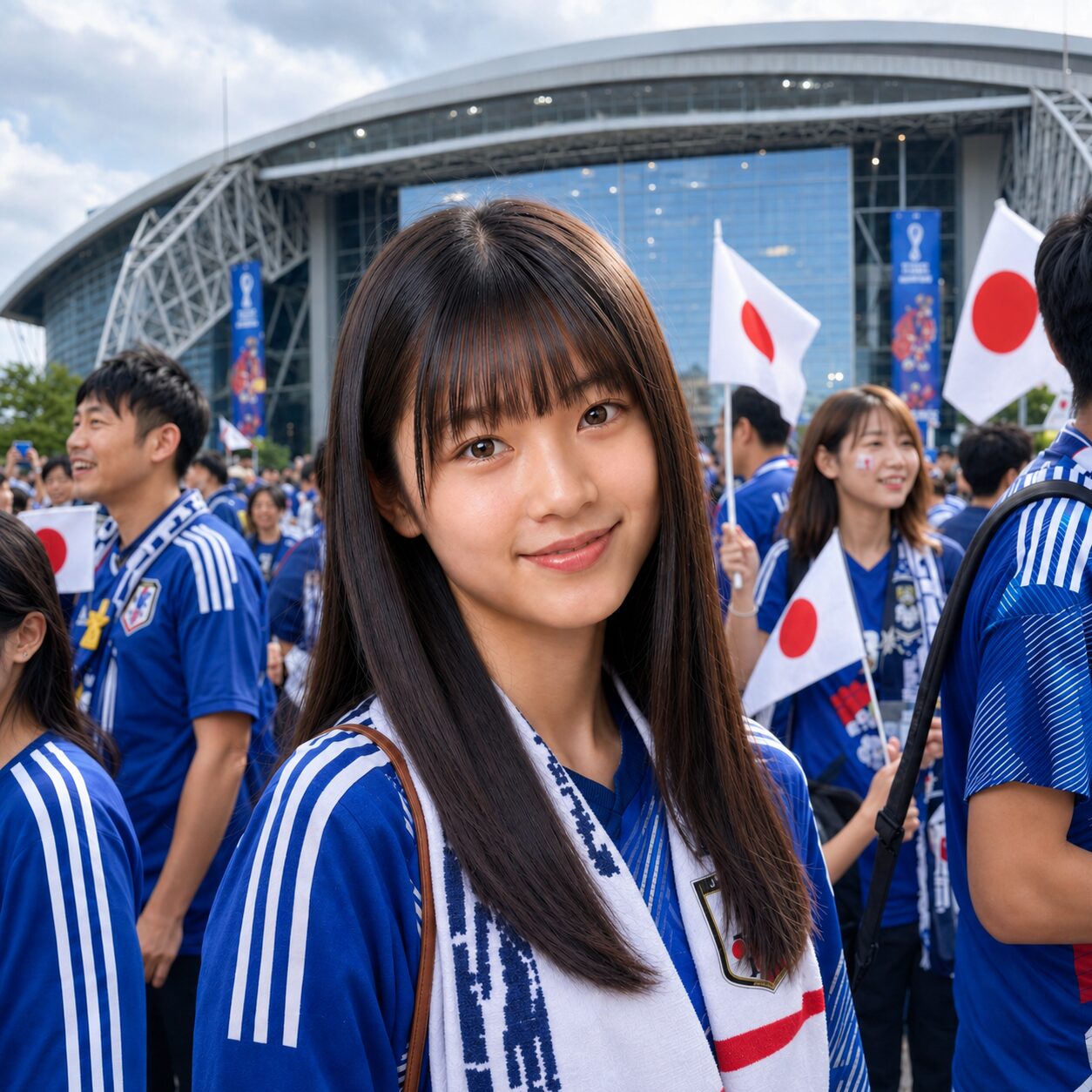
| June 14, 2026 | Netherlands vs Japan | Dallas Stadium |
| June 20, 2026 | Tunisia vs Japan | Estadio Monterrey |
| June 25, 2026 | Japan vs Sweden | Dallas Stadium |
Netherlands vs Japan: The First Major Test
Japan’s opening match against the Netherlands will be a very demanding test.
The Dutch national team have top-level players in almost every area of the pitch. Japan must prevent players such as Frenkie de Jong, Cody Gakpo and Memphis Depay from receiving the ball too freely.
Without Endo, that task becomes even more difficult. Normally, the Liverpool midfielder would have played a key role in protecting the space in front of the defense. Now Japan will need to solve that problem collectively.
Set pieces will also be dangerous. The Netherlands have tall and powerful players, so Japan must defend with great concentration.
At the same time, Japan can find opportunities in transition. If the Netherlands push their full-backs or wing-backs high up the pitch, Japan’s attackers may be able to exploit the spaces behind them.
For Japan, this match will also be a mental test. The team must show that it can remain organized even without its original captain.
Tunisia vs Japan: A Key Match
The second match against Tunisia could be decisive for Japan’s chances of qualification.
Tunisia may not have the same global reputation as the Netherlands, but they are a difficult team to beat. They defend compactly, remain organized and wait for opponents to make mistakes.
Japan will need patience. They must move the ball quickly from side to side, use width and avoid forcing passes through the center when Tunisia have many players behind the ball.
Scoring first would be very important. If Tunisia take the lead, they may close the game down even more and turn it into a test of Japan’s patience.
In this match, Machino’s presence could become interesting. If Japan struggle to break through Tunisia’s defense, a forward with more physical presence in the box may be useful.
Japan vs Sweden: Speed Against Physical Power
The final group-stage match against Sweden could decide qualification.
Sweden have physically strong players and dangerous forwards. Japan must handle aerial duels, second balls, counterattacks and set pieces carefully.
Without Endo, the fight for second balls in midfield becomes even more important. Sweden could take advantage of any situation where Japan fail to reorganize quickly.
However, Japan can also cause problems for Sweden. With quick combinations, movement between the lines and attacks on the ground, the Samurai Blue can try to avoid direct physical battles and create favorable situations.
Can Japan Reach the Quarterfinals?
Japan’s major goal is to reach the World Cup quarterfinals for the first time.
The Samurai Blue have reached the round of 16 several times, but they have never broken into the final eight. In 2022, they came close, losing to Croatia on penalties.
The current squad still has enough quality to get through the group stage. But Endo’s injury makes the path more difficult. Japan have lost experience, balance and leadership at a very delicate moment.
The key question is whether Japan can win a knockout match without their former captain. To do that, details will matter: finishing, defensive concentration, handling pressure and quickly finding a new balance without Endo.
Why International Fans Should Watch Japan
Japan are one of the most interesting teams outside Europe and South America at the 2026 World Cup.
They do not have a global superstar on the level of Kylian Mbappé or Lionel Messi, but they do have a well-balanced squad and several players capable of deciding matches.
Japan also tend to play intense matches with high tempo, tactical discipline and dramatic moments. Their victories over Germany and Spain in 2022 proved that they can compete with elite teams.
The situation around Endo adds another important storyline. Japan must face the tournament without their original captain, turning their matches into both a tactical and emotional test.
Conclusion: Japan Remain Dangerous, but Endo’s Absence Changes Everything
The Japan World Cup 2026 squad remains one of the strongest and most internationally experienced squads in the country’s football history.
Takefusa Kubo, Ritsu Doan, Daichi Kamada, Ayase Ueda, Zion Suzuki, Ko Itakura and Takehiro Tomiyasu give Japan quality in several areas. Younger players such as Yuito Suzuki, Kento Shiogai, Keisuke Goto and Junnosuke Suzuki add energy and future potential.
But Wataru Endo’s absence is a huge blow. Japan have lost their captain, their midfield stabilizer and a player with experience at the highest level in Europe. The arrival of Shuto Machino provides more attacking options, but it does not directly replace Endo’s role in midfield.
Kaoru Mitoma’s absence also remains significant. Japan are missing both an individual dribbler on the left and an experienced leader in the center of the pitch.
If Japan start well against the Netherlands, stay patient against Tunisia and defend with concentration against Sweden, the Samurai Blue still have a realistic chance of reaching the knockout stage. But after Endo’s withdrawal, it is clear that Japan have less margin for error than before.
The dream of reaching the World Cup quarterfinals for the first time is still alive, but Japan must now chase it without their original captain.