December 4, 2025
Japan Luggage Express
Japan Luggage Express Ltd.
Japan remote worker city rankings
Japan’s Best Cities for Remote Workers in 2026
Global rankings plus our ranking of other top remote-work cities in Japan
Japan has emerged as one of the strongest countries in a new global ranking of cities for remote workers and digital nomads.
Tokyo placed second in the world, Osaka ranked fifth and Nagoya came ninth. Japan was the only country to place three cities in the global top 10.
However, Japan did not take the number-one position. Seoul, South Korea, finished first.
There is also an important limitation to the published ranking: although 104 cities were evaluated, the widely reported results provide detailed, verifiable positions mainly for the leading cities. This means that cities such as Fukuoka, Kyoto and Sapporo should not simply be given invented positions in the original global ranking.
For that reason, this article separates two different lists:
- the confirmed 2026 global top 10; and
- our separate practical ranking of other Japanese cities for remote workers.
Key points
- Tokyo ranked 2nd worldwide with 72.61 points.
- Osaka ranked 5th worldwide with 70.15 points.
- Nagoya ranked 9th worldwide with 64.97 points.
- Seoul was number one with 73.60 points.
- Japan had more cities in the global top 10 than any other country.
- Among Japanese cities outside the published top 10, we rate Fukuoka as the strongest overall alternative, followed by Kyoto, Yokohama and Sapporo.
World’s best cities for remote workers in 2026
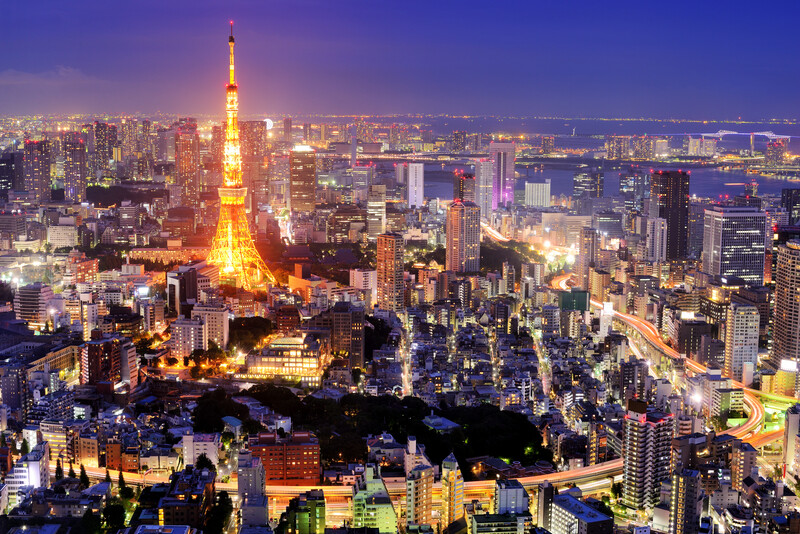
The 2026 study by independent VPN review platform vpn.jpn.com compared 104 major cities around the world.
Researchers initially considered 150 of the world’s largest cities, based on population and the UN Degree of Urbanisation definition. Forty-six were ultimately excluded where sufficiently comparable data were not available.
Each of the remaining cities received an overall score out of 100.
| Rank | City | Country / region | Score |
|---|---|---|---|
| 1 | Seoul | South Korea | 73.60 |
| 2 | Tokyo | Japan | 72.61 |
| 3 | Hanoi | Vietnam | 71.86 |
| 4 | Taipei | Taiwan | 70.98 |
| 5 | Osaka | Japan | 70.15 |
| 6 | Barcelona | Spain | 68.11 |
| 7 | Madrid | Spain | 66.67 |
| 8 | São Paulo | Brazil | 66.67 |
| 9 | Nagoya | Japan | 64.97 |
| 10 | Ho Chi Minh City | Vietnam | 64.28 |
How were the cities evaluated?
The ranking was designed to measure more than internet speed alone.
Factors included:
- the number of places suitable for working per square kilometre;
- restaurants, bars and other going-out options;
- cultural venues per square kilometre;
- internet download and upload speeds;
- local price levels;
- and the number of days with comfortable weather for working.
A “comfortable working day” was defined as a day with an average temperature between 15°C and 28°C and less than 5 millimetres of rain.
This methodology helps explain why dense Asian cities performed particularly well. Good internet alone is not enough: cities also receive credit for having large numbers of cafés, places to work, restaurants, entertainment and cultural facilities close together.
Why did Japan perform so well?
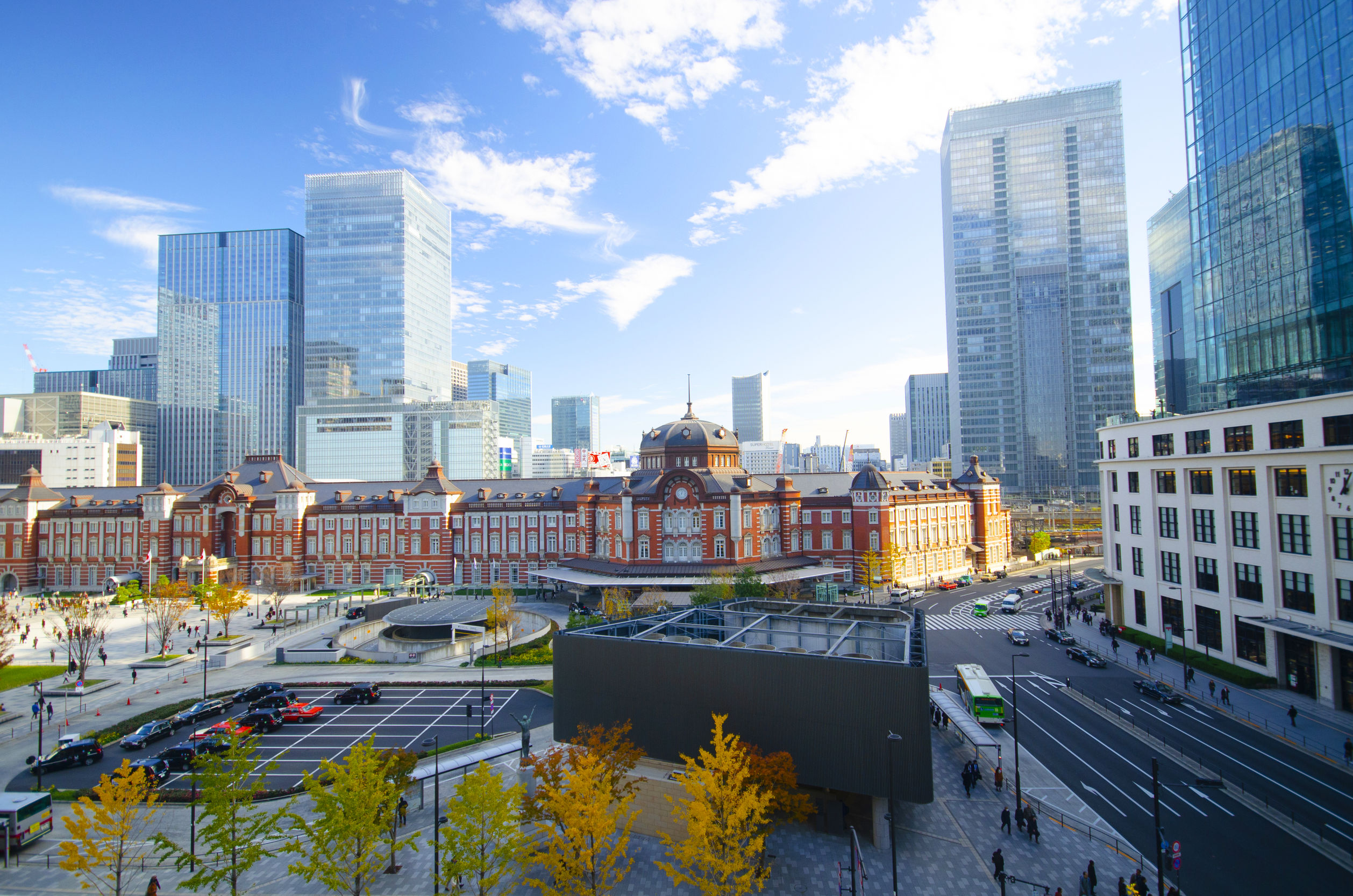
Japan’s biggest cities combine several characteristics that are particularly valuable to remote workers.
Public transportation is extensive, internet infrastructure is strong, convenience stores and restaurants are plentiful, and large urban centres contain numerous cafés, coworking spaces and cultural facilities.
The result is not limited to Tokyo.
Osaka offers many of the same advantages while providing easy access to the wider Kansai region. Nagoya offers the services of a large Japanese city with a generally less overwhelming scale than Tokyo.
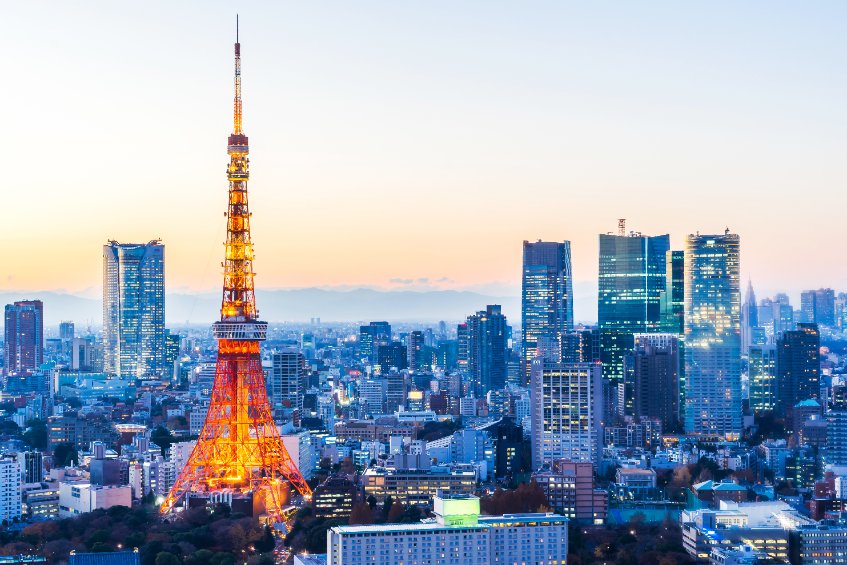
Tokyo: 2nd in the world
Tokyo received 72.61 points, finishing less than one point behind Seoul.
The Japanese capital recorded 56.43 places to work from per square kilometre.
It also had 395.12 going-out options per square kilometre, the highest figure among the global top 10, together with 12.71 cultural venues per square kilometre.
Tokyo’s biggest advantage for remote workers is choice.
A visitor can base themselves in a major business district, a nightlife centre, a fashionable neighbourhood or a much quieter residential area while remaining connected to the rest of the metropolis by rail.
The disadvantages are equally clear. Tokyo is enormous, trains can be crowded, journeys across the metropolitan area can take considerable time, and furnished short-term accommodation in popular areas can be expensive.
Osaka: 5th in the world
Osaka scored 70.15 and completed the global top five.
The city recorded 45.80 work-friendly locations per square kilometre and 350.27 going-out options per square kilometre.
Only Tokyo had a higher density of going-out venues among the top 10.
Osaka is particularly attractive for remote workers who want a major Japanese city but also intend to travel frequently.
Kyoto, Kobe and Nara are all within easy reach, while the Shinkansen provides fast connections towards Tokyo, Nagoya, Hiroshima and Fukuoka.
Osaka’s principal drawbacks include hot and humid summers and relatively expensive short-term accommodation in the most convenient central districts.
Nagoya: 9th in the world
Nagoya placed ninth with 64.97 points.
It recorded 23.45 places to work from and 144.32 going-out options per square kilometre.
Those figures were below Tokyo and Osaka, but Nagoya benefited from Japan’s strong internet infrastructure and its position on the main Tokaido corridor between Tokyo and Osaka.
Nagoya can therefore be an attractive option for a remote worker who wants a genuinely large Japanese city without the intensity of Tokyo or central Osaka.
Climate was one factor that held Nagoya back. Only 83 days met the study’s definition of comfortable working weather.
What about other cities in Japan?
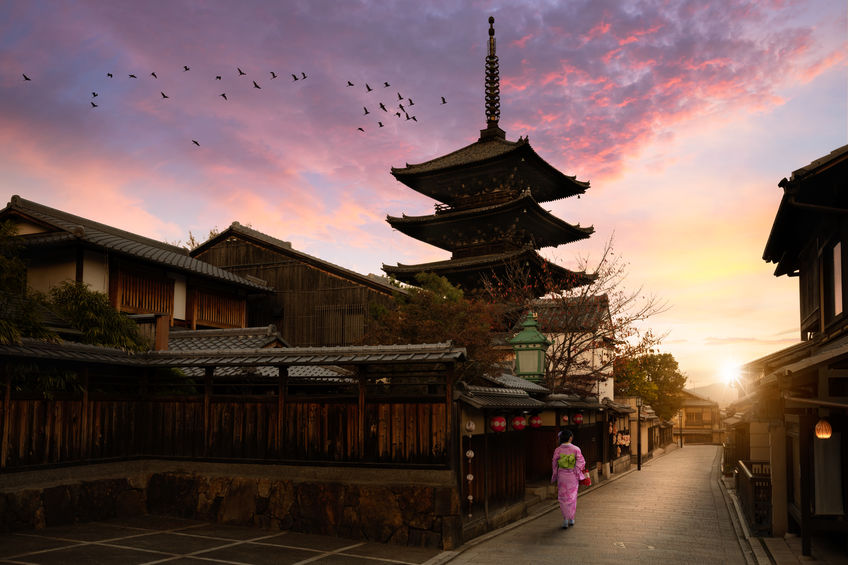
This is where an important distinction needs to be made.
The ranking below is separate from the published global ranking.
The original 2026 study provides confirmed positions for Tokyo, Osaka and Nagoya in the global top 10, but publicly available reports do not provide verifiable scores and positions for all the other Japanese cities discussed below.
We have therefore ranked these cities separately according to their practical appeal to an international remote worker, taking into account work infrastructure, transportation, accessibility, lifestyle, international orientation, climate and the ease of spending several weeks or months in the city.
Best Japanese cities outside the global top 10
| Our rank | City | Why it stands out | Main drawback |
|---|---|---|---|
| 1 | Fukuoka | Compact city, strong digital-nomad initiatives, convenient airport, food, beaches and good urban infrastructure | Hot, humid summers and a smaller international business network than Tokyo |
| 2 | Kyoto | Culture, universities, creative atmosphere, cafés and easy access to Osaka | Heavy tourism and seasonal pressure on accommodation |
| 3 | Yokohama | Major-city infrastructure with extremely convenient access to Tokyo | Accommodation can still be expensive and it remains part of the Greater Tokyo economy |
| 4 | Sapporo | Large regional city, cooler summers and excellent access to Hokkaido’s outdoors | Cold, snowy winters and greater distance from the rest of Japan |
| 5 | Kobe | Compact international city between the sea and mountains with quick access to Osaka | Smaller remote-worker community and fewer coworking choices than Osaka |
| 6 | Hiroshima | Manageable regional centre with good urban services and access to the Seto Inland Sea | Smaller international professional network and airport located outside the centre |
| 7 | Sendai | Compact regional capital with Shinkansen access to Tokyo and nearby nature | Smaller international and digital-nomad community |
| 8 | Kanazawa | Compact scale, traditional culture, museums and a slower pace of life | Fewer coworking spaces and wet or snowy winters |
| 9 | Naha | Warm island lifestyle, nearby airport and access to Okinawa’s coast | Humidity, typhoons, flight dependence and the usefulness of a car outside central Naha |
1. Fukuoka: the strongest alternative to Japan’s big three
Fukuoka is our number-one choice among Japanese cities outside the published global top 10.
It combines the services of a major regional centre with a surprisingly compact urban layout.
Fukuoka Airport is exceptionally close to the city centre, while the subway connects the airport with Hakata and Tenjin in a matter of minutes. This makes the city particularly convenient for remote workers who travel frequently.
Fukuoka has also made a deliberate effort to attract digital nomads and international entrepreneurs. Initiatives such as Colive Fukuoka have helped create a more visible remote-worker community.
The lifestyle is another advantage. Central neighbourhoods provide restaurants, shopping and coworking facilities, while beaches and outdoor destinations are easily accessible.
For many remote workers, Fukuoka arguably offers one of the best balances in Japan between urban convenience and manageable scale.
2. Kyoto: best for culture and creative work
Kyoto is an obvious candidate for writers, designers, researchers and other remote professionals who value culture and surroundings as much as conventional business infrastructure.
The city has cafés, coworking facilities, major universities and easy rail access to Osaka.
Cycling is also practical in many central areas, making it possible to create a daily routine without depending entirely on trains.
The problem is tourism.
The most famous parts of Kyoto can become extremely crowded, and accommodation prices can rise sharply during popular travel periods. Remote workers staying for several weeks are often better served by residential neighbourhoods away from the biggest sightseeing districts.
3. Yokohama: best for staying close to Tokyo
Yokohama offers many of the advantages of the Tokyo metropolitan area while providing a different daily atmosphere.
It has major commercial districts, international services, cafés, coworking facilities and excellent rail connections.
For someone who works remotely most of the time but occasionally needs to attend meetings in Tokyo, Yokohama can be an excellent compromise.
It should not automatically be considered a budget alternative, however. Popular districts and furnished accommodation can still be expensive.
4. Sapporo: best for cooler summers and outdoor life
Sapporo is particularly attractive to remote workers who dislike the intense summer heat and humidity of Tokyo, Osaka, Nagoya and Fukuoka.
As Hokkaido’s largest city, it has the restaurants, transportation, shops and services expected of a major urban centre.
At the same time, mountains, skiing, hiking and other outdoor activities are easily accessible.
The obvious trade-off comes in winter. Snow, low temperatures and occasional transport disruption become an important part of daily life.
5. Kobe: a compact Kansai base
Kobe occupies a relatively narrow urban strip between the Rokko mountains and Osaka Bay.
This geography gives it a compact feel despite being part of one of Japan’s largest metropolitan regions.
Osaka is close by, Kyoto is easily accessible by rail, and the mountains provide outdoor recreation almost immediately behind the city.
Kobe therefore works particularly well for someone who wants access to Kansai without necessarily living in central Osaka.
6. Hiroshima: a manageable regional city
Hiroshima combines the services of an important regional city with a centre that is relatively easy to navigate.
Trams and trains connect the principal districts, while restaurants, shops and cultural facilities are concentrated enough to make daily life straightforward.
The city also provides easy access to Miyajima and the Seto Inland Sea.
For a remote worker who finds Tokyo or Osaka unnecessarily large, Hiroshima can offer a more manageable urban base.
7. Sendai: a well-connected northern base
Sendai is the largest city in the Tohoku region and is connected directly to Tokyo by the Tohoku Shinkansen.
It has universities, shopping districts, restaurants, medical services and a compact central area, while mountains, hot springs and the Pacific coast are nearby.
The city is particularly suitable for remote workers who want a real urban environment but prefer a less intense daily pace than Tokyo.
8. Kanazawa: best for slow cultural living
Kanazawa offers something different from the large metropolitan centres.
Historic districts, traditional crafts, museums and Kenrokuen Garden give the city considerable cultural depth, while its relatively compact size makes it suitable for a slower medium-term stay.
The Hokuriku Shinkansen also keeps Tokyo accessible.
The compromise is a smaller selection of coworking spaces, international services and furnished accommodation compared with major cities.
9. Naha: best for an island lifestyle
Naha is the most distinctive choice on this list.
It combines urban services and an airport close to the centre with Okinawa’s subtropical climate and access to the sea.
For people whose remote-work lifestyle is closely tied to warm weather and outdoor activities, it can be extremely appealing.
It is less convenient for people who need frequent face-to-face meetings elsewhere in Japan. Flights are normally required for mainland travel, while a car becomes useful when exploring areas beyond central Naha.
Japan remote worker city ranking: overall practical comparison
Combining the three Japanese cities with confirmed global positions and our additional practical choices produces the following broader picture.
The first three retain their published global status. Positions 4 onward are our editorial comparison rather than positions from the original international study.
| Japan comparison | City | Best for | Status in published global ranking |
|---|---|---|---|
| 1 | Tokyo | Maximum choice, workspaces, networking and international connections | 2nd worldwide |
| 2 | Osaka | Big-city convenience and access to Kansai | 5th worldwide |
| 3 | Nagoya | Major-city infrastructure with a less hectic atmosphere | 9th worldwide |
| 4 | Fukuoka | Best all-round alternative and digital-nomad community | No verified published position |
| 5 | Kyoto | Culture, creative work and Kansai access | No verified published position |
| 6 | Yokohama | Remote work with easy Tokyo access | No verified published position |
| 7 | Sapporo | Summer stays, Hokkaido and outdoor activities | No verified published position |
| 8 | Kobe | Compact Kansai living | No verified published position |
| 9 | Hiroshima | Manageable regional-city living | No verified published position |
| 10 | Sendai | Northern Japan with direct Tokyo rail access | No verified published position |
| 11 | Kanazawa | A quiet cultural stay | No verified published position |
| 12 | Naha | Warm weather and island lifestyle | No verified published position |
Important limitations of city rankings
Rankings are useful for narrowing down choices, but they cannot determine which city will actually be best for a particular remote worker.
Internet figures do not guarantee your accommodation’s Wi-Fi
A country or city can have excellent internet infrastructure while an individual apartment, hotel or café has a poor connection.
Anyone whose work depends on video conferences, large file transfers or constant VPN access should check the actual connection available at their accommodation.
Short-term accommodation can change the calculation
Normal cost-of-living statistics do not necessarily reflect the price of furnished accommodation for one to six months.
Tokyo may perform extremely well in a general ranking while becoming considerably less attractive to someone who needs a centrally located furnished apartment at short notice.
More cafés do not necessarily mean better workplaces
Some cafés welcome laptop users, while others have limited electrical outlets, small tables or policies discouraging lengthy stays.
Workers dealing with confidential information may also require a coworking office or private room rather than public seating.
Climate preferences differ dramatically
A ranking may reward moderate weather, but an individual may prefer Sapporo’s cool summer, Okinawa’s subtropical climate or even a snowy winter.
Remote workers who spend most of the working day indoors may also give climate much less weight.
Can foreign remote workers legally stay in Japan?
Japan has a Digital Nomad status under the “Designated Activities” category for eligible foreign nationals who wish to work remotely while staying in Japan.
The permitted period of stay is six months, and an extension is not granted under the current system.
Applicants must generally satisfy requirements including:
- being a national or citizen of an eligible country or region;
- having annual income of at least 10 million yen;
- providing documents explaining their planned activities and period of stay; and
- holding insurance covering death, injury and illness, with medical-treatment coverage of at least 10 million yen.
An eligible spouse or child may also accompany the digital nomad subject to separate requirements.
Immigration rules should always be checked before travel, since visa eligibility does not automatically settle issues involving taxation, employment law or individual employment contracts.
Which Japanese city is ultimately best for remote workers?
If the published international ranking is the benchmark, the answer is straightforward: Tokyo is Japan’s highest-ranked city, placing second worldwide.
But the best city for an actual stay can be different.
Choose Tokyo for maximum choice, professional networking and international connectivity.
Choose Osaka for a major-city lifestyle combined with access to Kyoto, Kobe and the wider Kansai region.
Choose Nagoya for large-city convenience with a somewhat calmer atmosphere and an excellent location between Tokyo and Osaka.
Choose Fukuoka if you want what may be Japan’s best balance of compactness, airport convenience, urban life and a developing international digital-nomad community.
Choose Kyoto for culture and creative inspiration.
Choose Sapporo for cooler summers and outdoor activities.
Choose Yokohama if regular access to Tokyo matters but you would rather not live in central Tokyo itself.
And consider Kobe, Hiroshima, Sendai, Kanazawa or Naha if lifestyle and manageable scale matter more than being in Japan’s biggest business centres.
Conclusion
Japan’s performance in the 2026 remote worker city ranking is remarkable.
Tokyo ranked second worldwide, Osaka fifth and Nagoya ninth. No other country placed three cities in the global top 10.
At the same time, those results tell only part of the story.
Japan has several other cities that may actually be more suitable for a particular remote worker. Fukuoka stands out as the strongest all-round alternative, while Kyoto, Yokohama and Sapporo each offer a very different combination of work, transportation, climate and lifestyle.
The most useful way to read the rankings is therefore not to ask simply, “Which city came first?”
A better question is: Which Japanese city provides the best combination of work environment, accommodation, transportation and lifestyle for the way I personally work?
Frequently asked questions
What is the best city in Japan for remote workers?
Tokyo is the highest-ranked Japanese city in the published 2026 international study, finishing second worldwide with 72.61 points.
For people who want a smaller and more compact city, Fukuoka is one of the strongest alternatives.
Which city was number one in the world?
Seoul ranked first with 73.60 points. Tokyo followed in second place with 72.61.
Why do reports say Japan dominated the ranking if Seoul was first?
The word “dominated” refers to the number of Japanese cities near the top. Japan placed Tokyo, Osaka and Nagoya in the global top 10, more cities than any other country.
It does not mean that a Japanese city took first place.
Where did Fukuoka rank in the global study?
A verifiable global position for Fukuoka has not been published in the widely available results.
For that reason, this article does not invent a global ranking for Fukuoka. Instead, we rank it first among our separate selection of Japanese alternatives outside the confirmed global top 10.
Where did Kyoto rank?
There is no verified published position for Kyoto in the widely reported results of the 2026 study.
Our ranking places Kyoto second among the additional Japanese cities considered in this article.
Where did Sapporo rank?
A verified position for Sapporo is likewise not available in the publicly reported global results.
We place Sapporo fourth among our additional Japanese choices, particularly because of its appeal during the summer and its access to Hokkaido’s outdoor environment.
Is the additional Japanese ranking official?
No.
Tokyo’s second place, Osaka’s fifth place and Nagoya’s ninth place are confirmed results from the published international ranking.
Our rankings for Fukuoka, Kyoto, Yokohama, Sapporo, Kobe, Hiroshima, Sendai, Kanazawa and Naha are a separate editorial comparison intended to help remote workers evaluate other realistic options around Japan.
How long can a digital nomad stay in Japan?
Eligible applicants can stay in Japan for six months under the Digital Nomad category of the Designated Activities status.
The current system does not permit an extension of that six-month period.
Is Japan good for digital nomads?
Japan offers a combination of strong digital infrastructure, extensive transportation, high-density urban services and a wide choice of cities.
Its main disadvantages for international digital nomads can include short-term accommodation costs, language barriers in some situations, hot and humid summers in much of the country and the six-month limit under the dedicated Digital Nomad status.
For many remote workers, however, the variety of destinations is one of Japan’s greatest strengths: Tokyo, Fukuoka, Sapporo and Naha can offer almost completely different lifestyles while remaining within the same country.
“`