
China’s Dual-Use Export Control List: 40 Japanese Entities Now Covered
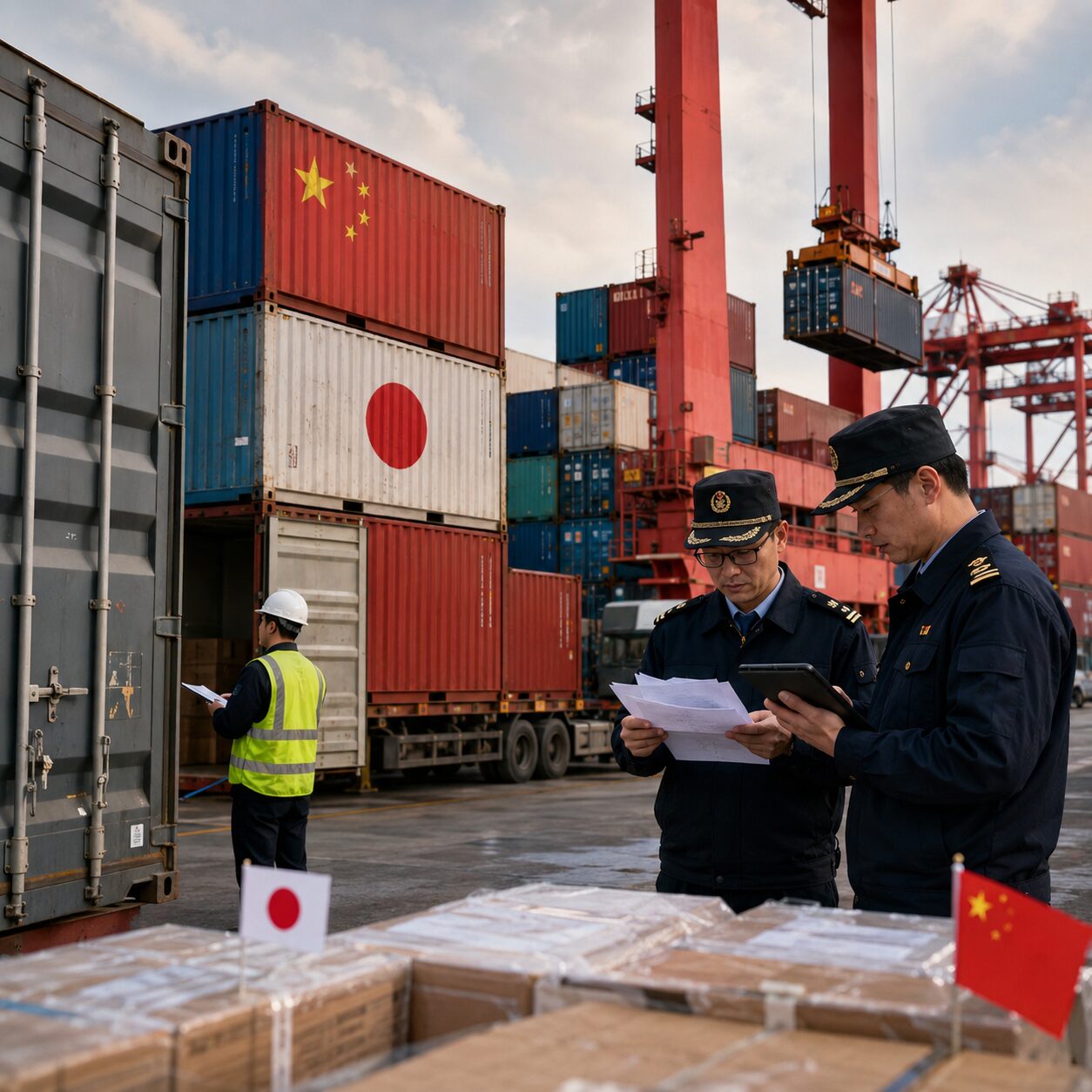
China’s Dual-Use Export Control List: 40 Japanese Companies and Organizations Now Covered
China’s Ministry of Commerce adds 20 more Japanese entities to its export control list, bringing the total to 40
China’s Ministry of Commerce announced on June 29, 2026, that it had added 20 Japanese companies and organizations to its export control list. The measure applies to so-called dual-use items, meaning goods, technologies, software, and related materials that can be used for both civilian and military purposes.
At first glance, the news may appear to be about only 20 newly listed Japanese entities. However, China had already placed another 20 Japanese companies and organizations on the same type of export control list on February 24, 2026. As a result, by June 29, 2026, at least 40 Japanese entities had been listed by China as targets of dual-use export controls.
This article explains what China’s export control list means, what dual-use items are, which Japanese companies and organizations were added in June, which were already listed in February, and why the measure matters for supply chains and security relations between Japan and China.
What is China’s export control list?
China’s export control list is a mechanism used under China’s export control system to restrict the supply of controlled items to specific foreign companies, organizations, or individuals.
When an entity is placed on the list, Chinese exporters are generally prohibited from supplying controlled dual-use items to that entity. The restrictions may also apply to transfers of Chinese-origin dual-use items by organizations or individuals outside China.
In special cases, exporters may apply to China’s Ministry of Commerce for permission. Therefore, the listing does not necessarily mean that all possible transactions are permanently impossible. However, it does mean that any relevant transaction is placed under much stricter scrutiny than ordinary commercial trade.
What are dual-use items?
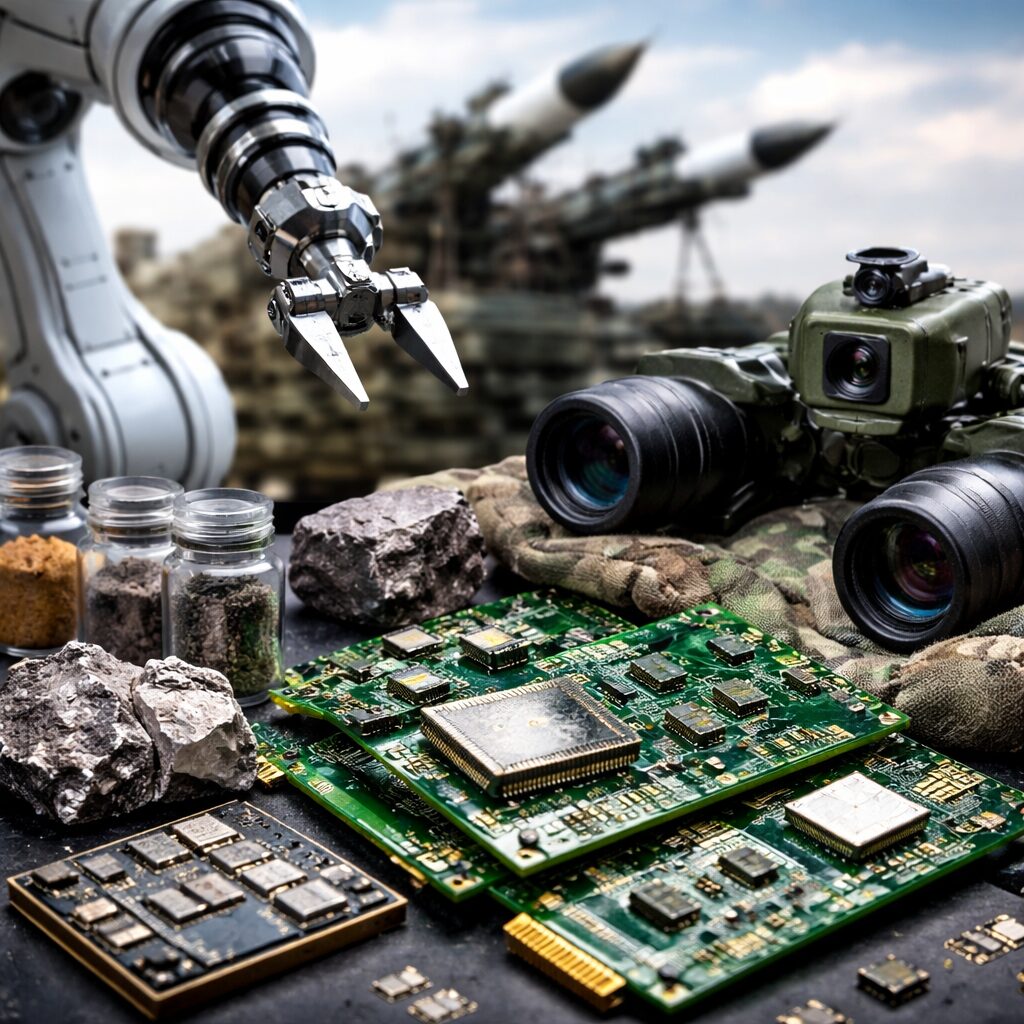
Dual-use items are goods, technologies, software, and related materials that can be used in civilian industries but may also be diverted for military purposes.
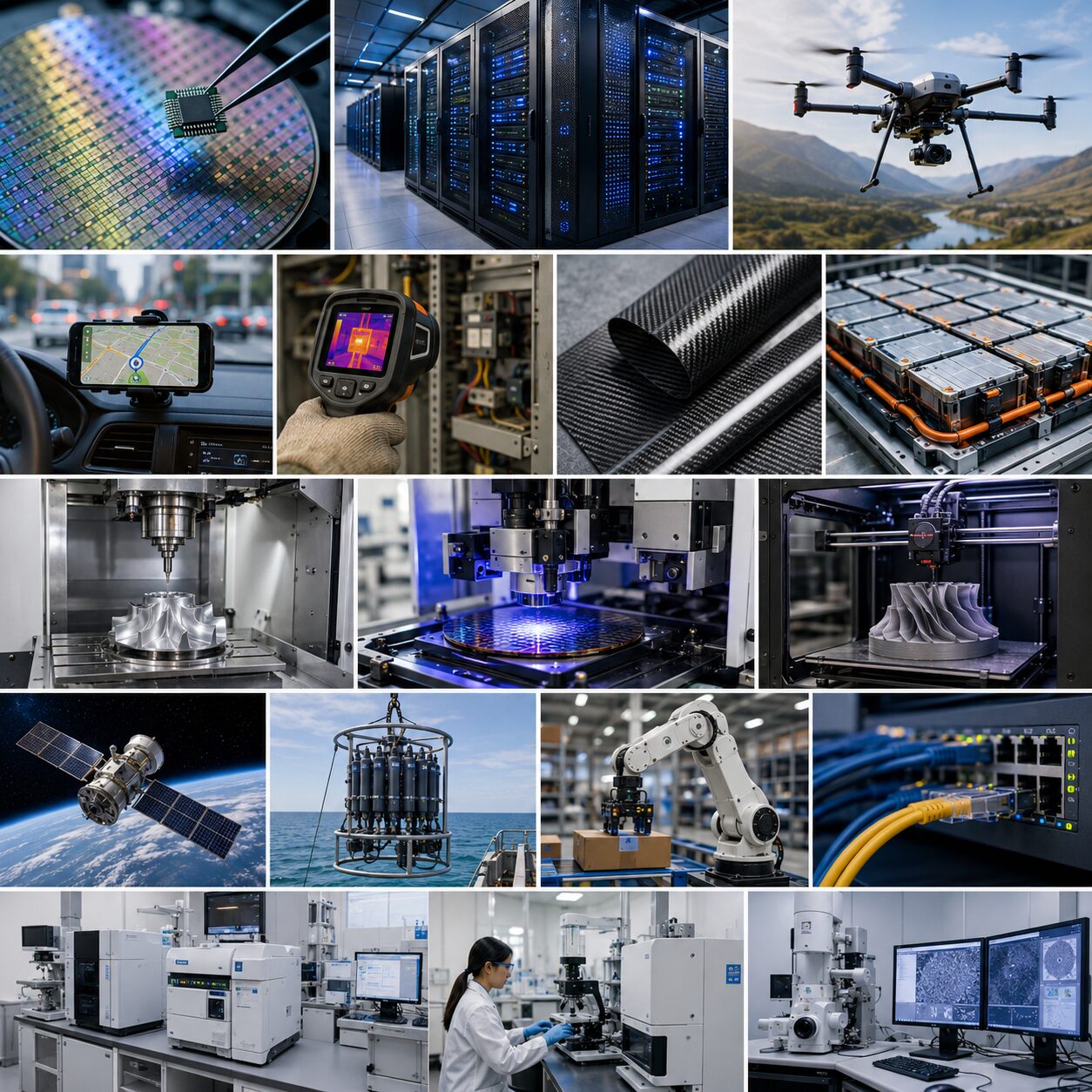
Examples include aerospace technologies, shipbuilding equipment, communications systems, sensors, electronic components, precision machinery, advanced materials, drones, semiconductor-related technologies, and certain types of software.
These fields are important for normal economic activity, but they can also be connected to defense, surveillance, military equipment, satellites, missiles, aircraft, and naval systems. For that reason, dual-use export controls have become an important part of economic security policy around the world.
China’s latest action should therefore not be viewed simply as a trade restriction. It is also part of a broader security, technology, and supply chain issue involving Japan and China.
20 Japanese entities added on June 29, 2026
The following 20 Japanese companies and organizations were newly added to China’s export control list on June 29, 2026. The list includes defense research institutions, Mitsubishi Electric-related companies, Mitsubishi Heavy Industries-related companies, Kawasaki Heavy Industries-related companies, aircraft-related companies, and precision machinery businesses.
| No. | Japanese company or organization added on June 29, 2026 | Main category |
|---|---|---|
| 1 | National Institute for Defense Studies | Defense research institution |
| 2 | Ground Systems Research Center | Defense equipment research |
| 3 | Naval Systems Research Center | Defense equipment research |
| 4 | Air Systems Research Center | Defense equipment research |
| 5 | Japan Steel Works M&E, Inc. | Defense and machinery-related |
| 6 | JSW YPK Trading Co., Ltd. | Defense and trading-related |
| 7 | Mitsubishi Electric Defense & Space Technologies Corporation | Defense and space-related |
| 8 | Mitsubishi Electric Software Corporation | Software and systems-related |
| 9 | Mitsubishi Electric Engineering Company, Limited | Engineering-related |
| 10 | Mitsubishi Precision Co., Ltd. | Precision equipment and simulation-related |
| 11 | MHI Oceanics Co., Ltd. | Mitsubishi Heavy Industries group, marine-related |
| 12 | MHI Sagami High-Tech Co., Ltd. | Mitsubishi Heavy Industries group, defense-related |
| 13 | MHI Logitec Co., Ltd. | Mitsubishi Heavy Industries group, logistics and support-related |
| 14 | Kowa Kogyo Co., Ltd. | Mitsubishi Heavy Industries-related |
| 15 | Ryohju Special Vehicle Service Co., Ltd. | Special vehicle-related |
| 16 | MHI Maritec Co., Ltd. | Mitsubishi Heavy Industries group, naval and ship design-related |
| 17 | KGM Co., Ltd. | Kawasaki Heavy Industries group, aircraft parts-related |
| 18 | Nippi Corporation | Aircraft-related |
| 19 | Fortunio Co., Ltd. | Counter-drone and defense-related technology |
| 20 | Aoki Precision Industrial Co., Ltd. | Precision machinery-related |
The June list is notable because it includes not only companies directly connected to heavy industry and defense manufacturing, but also research institutions, software companies, support companies, and precision machinery firms.
In particular, the inclusion of defense research institutions and several Mitsubishi Electric and Mitsubishi Heavy Industries-related companies suggests that China is focusing not only on finished defense products, but also on the broader network of research, engineering, systems development, and supply chain support.
20 Japanese entities already listed on February 24, 2026

The following 20 Japanese companies and organizations had already been placed on China’s export control list on February 24, 2026. This earlier group included many companies linked to Mitsubishi Heavy Industries, Kawasaki Heavy Industries, IHI, NEC, shipbuilding, aerospace, and defense-related research and education.
| No. | Japanese company or organization listed on February 24, 2026 | Main category |
|---|---|---|
| 1 | Mitsubishi Shipbuilding Co., Ltd. | Mitsubishi Heavy Industries group, shipbuilding-related |
| 2 | Mitsubishi Heavy Industries Aero Engines, Ltd. | Aero engine-related |
| 3 | Mitsubishi Heavy Industries Marine Machinery & Equipment Co., Ltd. | Marine machinery-related |
| 4 | Mitsubishi Heavy Industries Engine & Turbocharger, Ltd. | Engines and turbochargers |
| 5 | Mitsubishi Heavy Industries Maritime Systems Co., Ltd. | Naval and maritime systems-related |
| 6 | Kawasaki Heavy Industries Aerospace Systems Company | Aerospace-related |
| 7 | Kawaju Gifu Engineering Co., Ltd. | Kawasaki Heavy Industries group, aerospace-related |
| 8 | Fujitsu Defense & National Security Limited | Defense and information systems-related |
| 9 | IHI Power Systems Co., Ltd. | Engines and power systems-related |
| 10 | IHI Master Metal Co., Ltd. | Metal materials-related |
| 11 | IHI Jet Service Co., Ltd. | Aviation and jet-related |
| 12 | IHI Aerospace Co., Ltd. | Aerospace-related |
| 13 | IHI Aero Manufacturing Co., Ltd. | Aerospace manufacturing-related |
| 14 | IHI Aerospace Engineering Co., Ltd. | Aerospace engineering-related |
| 15 | NEC Network and Sensor Systems, Ltd. | Communications and sensor-related |
| 16 | NEC Aerospace Systems, Ltd. | NEC group, aerospace systems-related |
| 17 | Japan Marine United Corporation | Shipbuilding-related |
| 18 | JMU Defense Systems Co., Ltd. | Defense and naval systems-related |
| 19 | National Defense Academy of Japan | Defense education institution |
| 20 | Japan Aerospace Exploration Agency, JAXA | Aerospace research institution |
The February list was heavily focused on aerospace, shipbuilding, engines, sensors, information systems, and defense-related institutions. These are fields that have major civilian uses, but they also overlap with defense equipment, naval systems, aircraft, satellites, and other security-related technologies.
The presence of Mitsubishi Heavy Industries, Kawasaki Heavy Industries, IHI, NEC, Japan Marine United, JAXA, and the National Defense Academy of Japan shows that China’s earlier restrictions were already aimed at major parts of Japan’s defense and aerospace ecosystem.
What changed with the June 2026 additions?

The February 2026 list mainly covered major heavy industry groups, aerospace firms, shipbuilders, engine-related companies, NEC-related systems companies, JAXA, and the National Defense Academy of Japan.
The June 2026 additions expanded the scope further. The newly listed entities include defense research institutes, equipment research centers, Mitsubishi Electric-related firms, additional Mitsubishi Heavy Industries group companies, aircraft-related companies, and precision machinery businesses.
This suggests that China’s restrictions are moving beyond large manufacturers of finished products. The target range now appears to include research, software, engineering, logistics, maintenance, aircraft parts, special vehicles, counter-drone technology, and precision machinery.
This matters because dual-use export controls are not limited to weapons themselves. Materials, parts, software, sensors, testing equipment, design tools, maintenance systems, and support services can all become part of a controlled supply chain.
As a result, the impact of the list may not be limited to the companies and organizations named directly. It could also affect suppliers, customers, and business partners connected to the broader defense, aerospace, communications, and precision machinery industries.
Why did China take this action?
China has described the measure in connection with Japan’s military expansion and what it calls Japan’s “remilitarization.” This is China’s position, and Japan’s own interpretation is different.
In Japan, the government often explains defense capability expansion as a response to changes in the regional security environment. China, however, views Japan’s growing defense posture with concern and has increasingly linked Japanese defense-related industries to security risks.
Therefore, this measure should be understood as both an export control action and a political message. It reflects tensions between China and Japan over security policy, high technology, supply chains, and regional military balance.
Will ordinary Japanese companies be affected?
China has stated that the measure is aimed at specific dual-use items and specific Japanese entities, and that normal economic and trade activities should not be affected.
However, companies still need to be careful in practice. Even if a company does not trade directly with one of the listed entities, it may still need to check whether Chinese-origin parts, materials, electronics, software, or precision machinery are included in its supply chain.
In particular, companies involved in defense, aerospace, shipbuilding, communications, drones, semiconductors, advanced materials, and precision manufacturing may need to pay closer attention to end users, end uses, country of origin, and possible re-export issues.
For companies operating across Japan, China, and third countries, compliance checks may become more complex. The key question is not only who is buying the product, but also where the product originated, how it will be used, and whether it could ultimately reach a listed entity.
Difference between the export control list and the watch list
It is also important to distinguish China’s export control list from its watch list.
The export control list is stricter. When a company or organization is placed on this list, exports of relevant dual-use items to that entity are generally prohibited unless special permission is granted.
The watch list is different. It is used for entities where the final user or final purpose may be difficult to verify. Being placed on the watch list does not necessarily mean the same level of prohibition, but it can lead to more careful examination of transactions.
On February 24, 2026, in addition to the 20 entities placed on the export control list, China also placed 20 Japanese companies and organizations on a separate watch list. These included companies such as SUBARU, TDK, Mitsui Bussan Aerospace, Nitto Denko, and NOF Corporation. On June 29, 2026, China also announced additional watch list designations.
This article focuses mainly on the 40 Japanese companies and organizations placed on the stricter export control list.
Key points to watch going forward
The first point to watch is how the Japanese government and the listed companies respond. When the first 20 entities were listed in February 2026, Japan expressed concern and opposition. The June expansion could lead to further diplomatic friction between Japan and China.
The second point is the real impact on trade and supply chains. Being listed does not automatically mean that every business operation will stop immediately. However, companies that depend on Chinese-origin parts, materials, technologies, or software may need to review their procurement routes and compliance procedures.
The third point is whether China will continue to expand the list. The pattern is important: 20 Japanese entities were listed in February, and another 20 were added in June. This may indicate a step-by-step tightening of China’s export controls toward Japan’s defense-related industries, research institutions, and advanced technology supply chains.
The fourth point is how other countries view the measure. Dual-use export controls are increasingly tied to global technology competition. Japan, China, the United States, and European countries are all paying greater attention to semiconductors, aerospace, drones, advanced materials, and defense-related technologies.
Summary
China’s Ministry of Commerce added 20 Japanese companies and organizations to its export control list on June 29, 2026. Together with the 20 Japanese entities already listed on February 24, 2026, a total of 40 Japanese companies and organizations are now covered by China’s dual-use export control restrictions.
The February list mainly included Mitsubishi Heavy Industries-related companies, Kawasaki Heavy Industries-related companies, IHI-related companies, NEC-related companies, Japan Marine United, JAXA, and the National Defense Academy of Japan.
The June additions expanded the scope to include defense research institutions, equipment research centers, Mitsubishi Electric-related companies, additional Mitsubishi Heavy Industries group companies, aircraft-related firms, counter-drone technology, and precision machinery businesses.
This is not just a list of company names. It is part of a larger issue involving dual-use technology, national security, export controls, supply chains, and Japan-China relations. For companies involved in defense, aerospace, communications, precision machinery, advanced materials, and semiconductor-related fields, China’s latest move is an important development to monitor closely.